
What better way to start the year than to kick off a plan towards stability, peace of mind, and pressure-free financial goals?
In the Philippines, conversations about money are common. But understanding it is not. Despite working hard and earning more over time, only a small portion of adults truly grasp the fundamentals of personal finance, leaving many to manage their resources without clarity or confidence.
The Digits Way: Mindset and Money Flow is a thoughtful examination of how people experience money beyond the numbers. Rather than presenting finance as a problem to be solved through formulas or rigid systems, the book approaches it as a relationship—one shaped by habits, expectations, pressure, and personal history. Written by Thanjo Francisco, the book begins from an honest place: not certainty, but struggle. It is rooted in real-life experiences when financial growth did not bring ease, and when structure felt more like a strain than a support.
Thanjo’s Digits
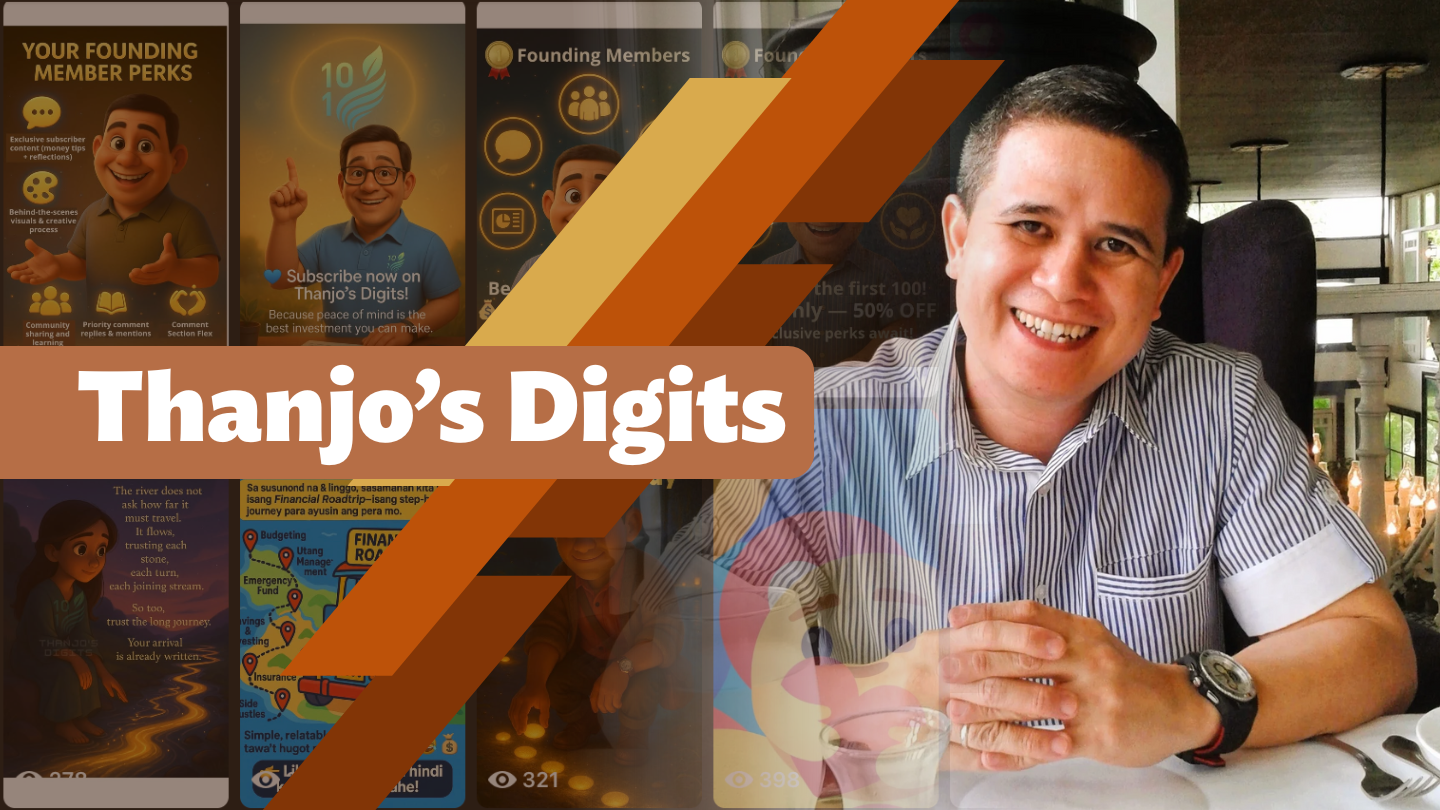
Thanjo Francisco is a financial educator and writer who has consistently focused on simplifying money conversations without stripping them of their emotional weight. If you’re one of us who scroll on our social media feed like a staple, you’ve probably already stumbled upon some of his works. His work reflects an understanding that financial difficulty is often intertwined with responsibility, fear, and the quiet desire for stability. But what sets Francisco apart from others is how he does not position himself as an expert who has everything figured out, but rather as someone who has sat with unresolved questions—particularly the unsettling realization that things can look fine on paper while still feeling heavy in real life.
Emotional familiarity in numbers
Now, how many of us have been in this situation? The resources are there, yet things don’t seem to feel light. That question sits at the core of The Digits Way: why does money continue to feel burdensome even when income improves, or routines are in place? Unlike other financial help references, the book does not rush to answer this. It does not give you answers like picking a fruit from a tree. Instead, it invites reflection. It explores how budgeting can become a source of pressure when it is disconnected from purpose, and how financial systems lose their usefulness when they fail to account for the emotional realities people carry into their decisions. In this way, the book reframes structure not as control, but as guidance—something meant to clarify rather than constrain.

Just like his visually appealing and entertaining financial reels, the book promises to place strong emphasis on mindset, not as a motivational slogan, but as a practical foundation. He examines how beliefs about money influence behavior, and how unexamined assumptions can quietly undermine progress. By pairing this internal awareness with simple, repeatable practices, the book encourages a more sustainable way of managing money—one that prioritizes steadiness over intensity and understanding over perfection.
The Digits Way to better financial understanding
The Digits Way may just be one of those helpful guides toward financial literacy. But if we look at the other works of the author, and the way Francisco would frame financial lessons, we can safely assume that the book is a minefield of refusals to treat financial peace as a destination reached only through higher income or stricter discipline. Instead, it presents peace as something that grows through alignment—between values and choices, effort and rest, intention and action. The concept of “money flow” is not just about the movement of funds, but about how decisions ripple through daily life, shaping stress levels, confidence, and long-term stability.
The kind of help that understands you
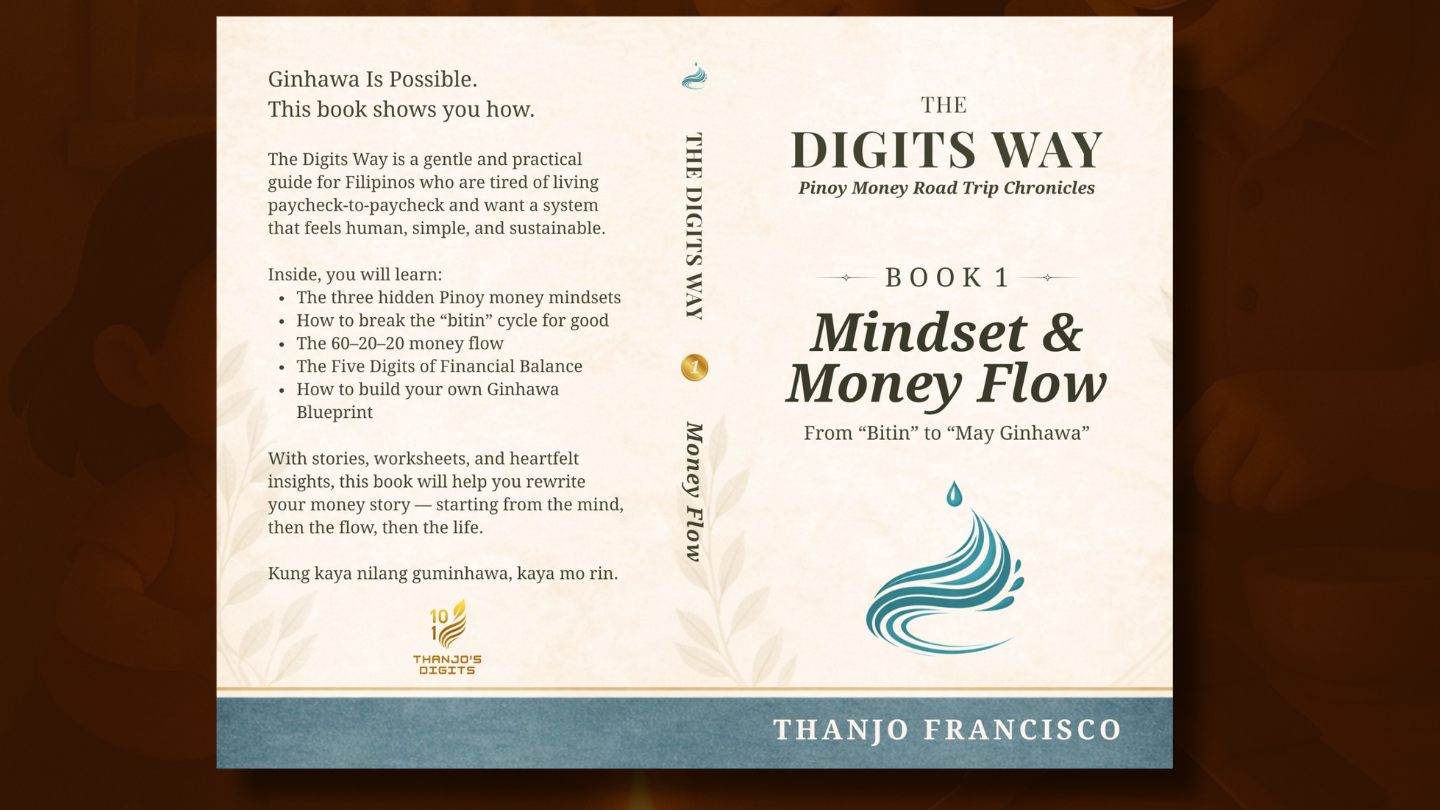
Ultimately, The Digits Way: Mindset and Money Flow has the potential to speak to readers who are tired of feeling behind, even when they are trying their best. It offers a grounded perspective that neither simplifies the challenges of managing money nor dramatizes them. The book suggests that clarity often begins with honesty and that financial growth becomes meaningful when it is accompanied by a sense of calm and direction. Rather than promising transformation overnight, it offers something quieter and more lasting: a way to engage with money that feels intentional, humane, and sustainable.