
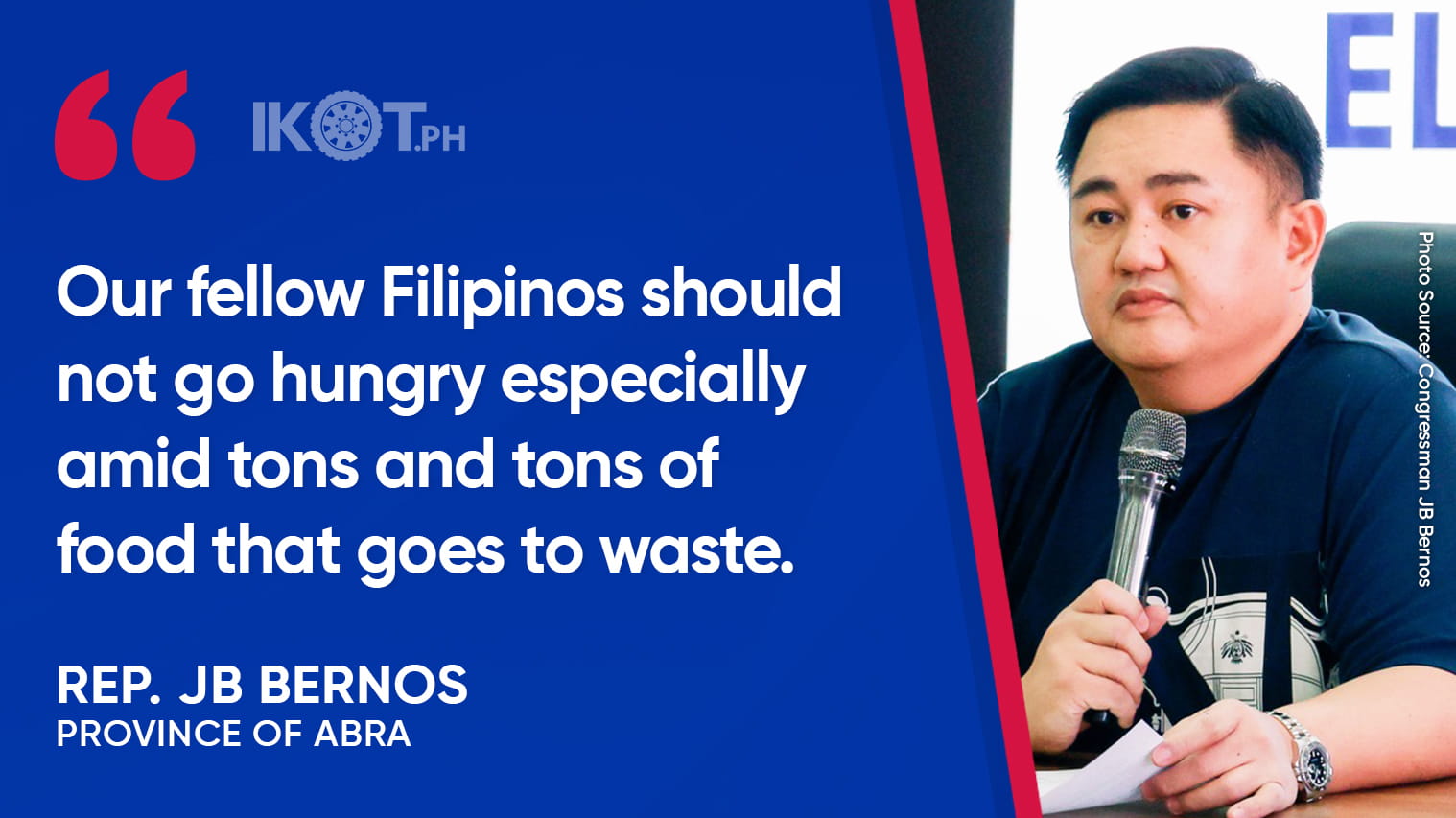
“Donate excess food to the poor.”
This was the call of lawmaking tandem Abra Rep. JB Bernos and Solid North Party-list Rep. Ching Bernos, authors of a bill that seeks to reduce food wastage in the country through the donation and recycling of excess edible food.
“Our fellow Filipinos should not go hungry especially amid tons and tons of food that goes to waste,” Rep. JB Bernos said.
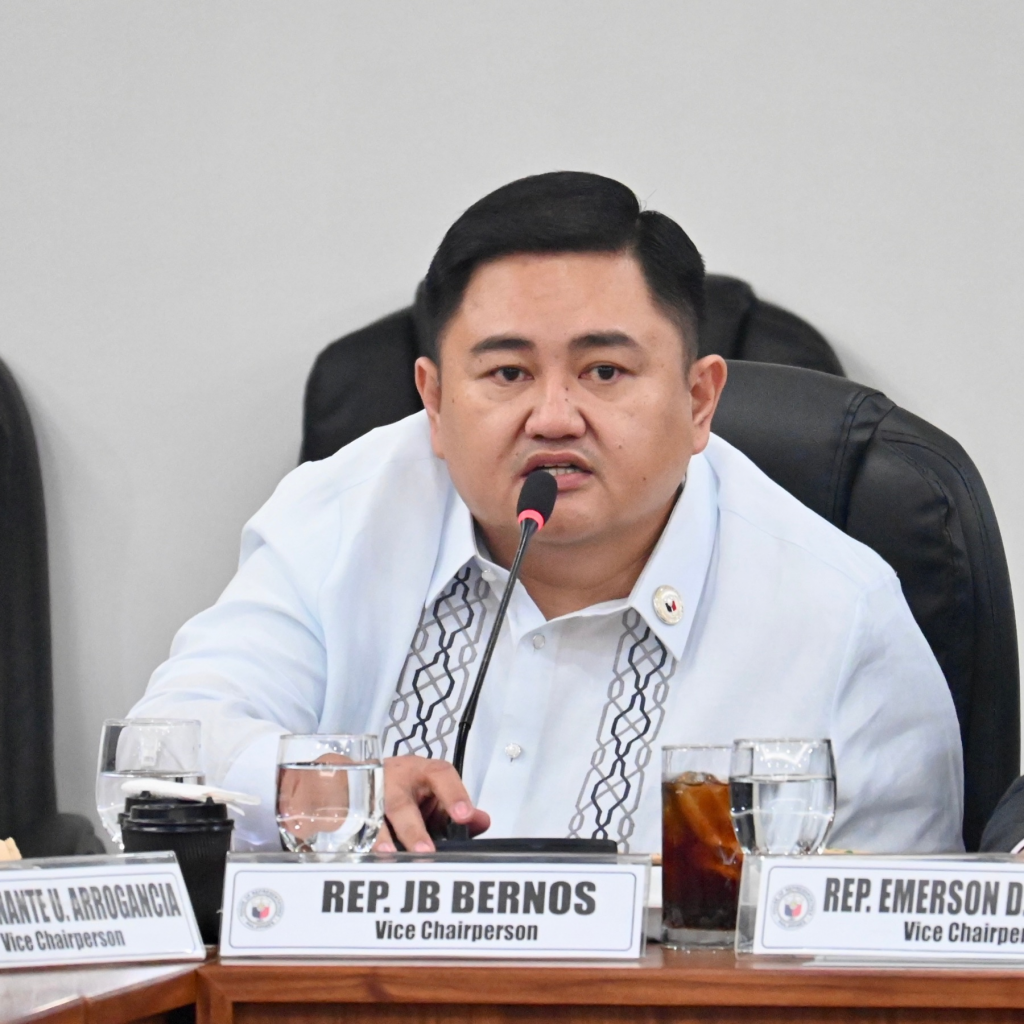
He underlined the need for urgent action as he noted that 28.8 million Filipinos experience moderate to severe food insecurity, even as the country wastes approximately 930,000 tons of food yearly.
The proposal also creates a Self-Sufficiency Program, which would provide beneficiaries with skills training in managing food banks and livelihood programs to empower them and avoid their dependence on food donations.
House Bill No. 6525, or the Food Surplus Reduction bill, seeks to establish a nationwide framework to reduce food wastage by requiring food manufacturers, supermarkets, restaurants, hotels, and culinary schools to segregate edible surplus and donate it to accredited food banks.
Sanitary inspectors of local government units would inspect these donations before they are distributed by food banks in coordination with the Department of Social Welfare and Development (DSWD) and local governments.
The proposal also mandates LGUs to recycle inedible food waste and partner with waste management and recycling enterprises to convert waste into fertilizer or compost, livestock feed, or as biofuel source.
“The recycling provision would help LGUs in their efforts to not only reduce landfill waste but also to provide our farmers and even home gardeners with free fertilizers,” Rep. Ching Bernos said.
Rep. JB Bernos underlines the need for urgent action as he noted that 28.8 million Filipinos experience moderate to severe food insecurity.
She added that even people in the community would be included in efforts to reduce food wastage through education, waste segregation.
The proposal also creates a Self-Sufficiency Program, which would provide beneficiaries with skills training in managing food banks and livelihood programs to empower them and avoid their dependence on food donations.
Establishments that donate food would also be exempt from liability once their donation has been certified and received by accredited food banks.