
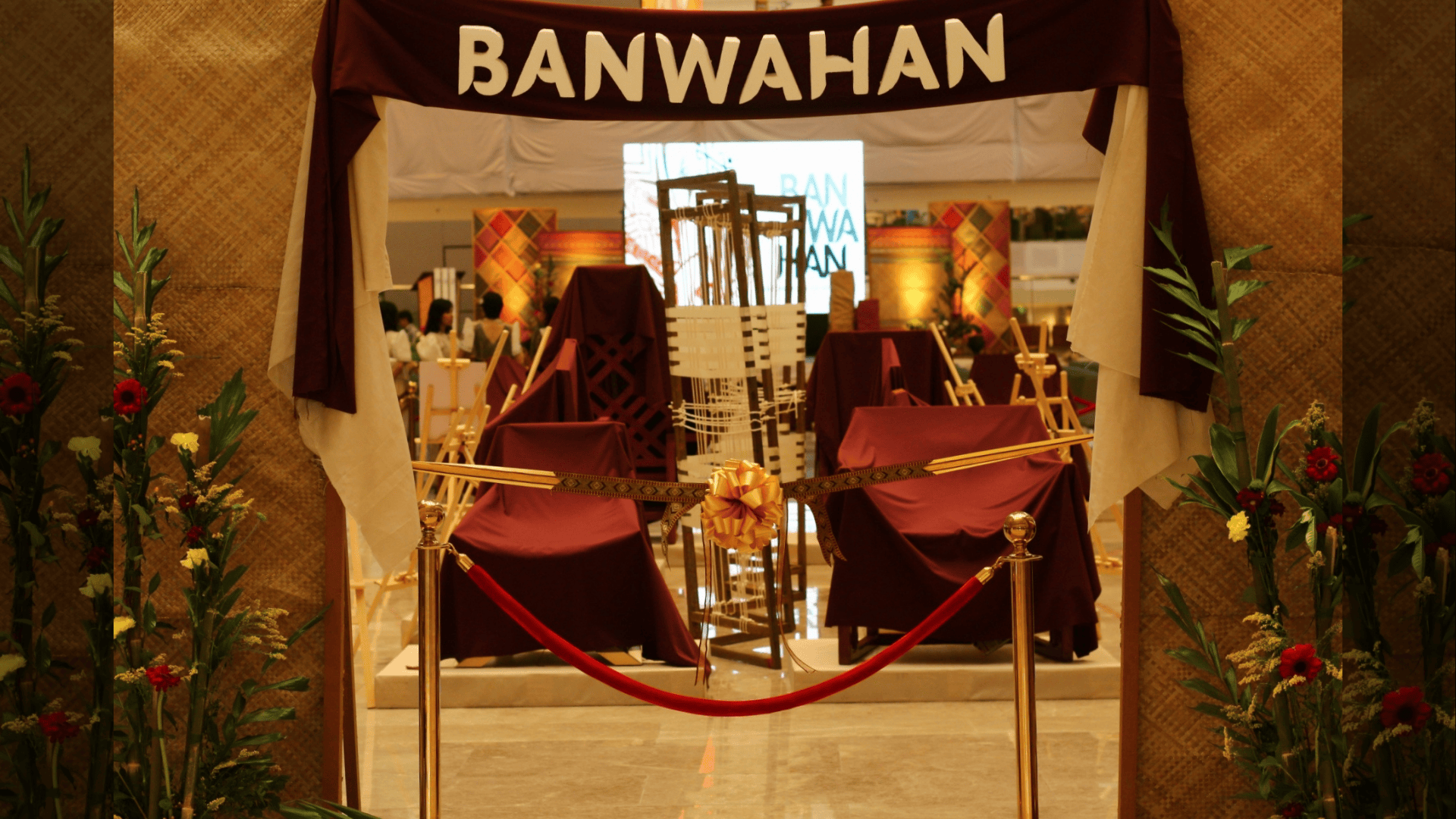
An hour before the exhibit came to an end, someone approached one exhibitor and told them, “I want to know why of all the concepts, you choose to base your designs on the Filipino tribes?” It sounded simple, but not everyone would understand the tales of these chairs that lie beneath its designs.
And what is this if not the memories of those hands who had built in with delicacy in hopes to preserve the art that reflects their souls? What is a chair if not a diary that has witnessed our everyday lives, whispering an invitation to just breathe for a moment. An invitation that embraces you and joins you on a journey back to the beginning, to the roots of every Filipino, gently rocking you as you return to the start, reminding you through something as simple as a chair.
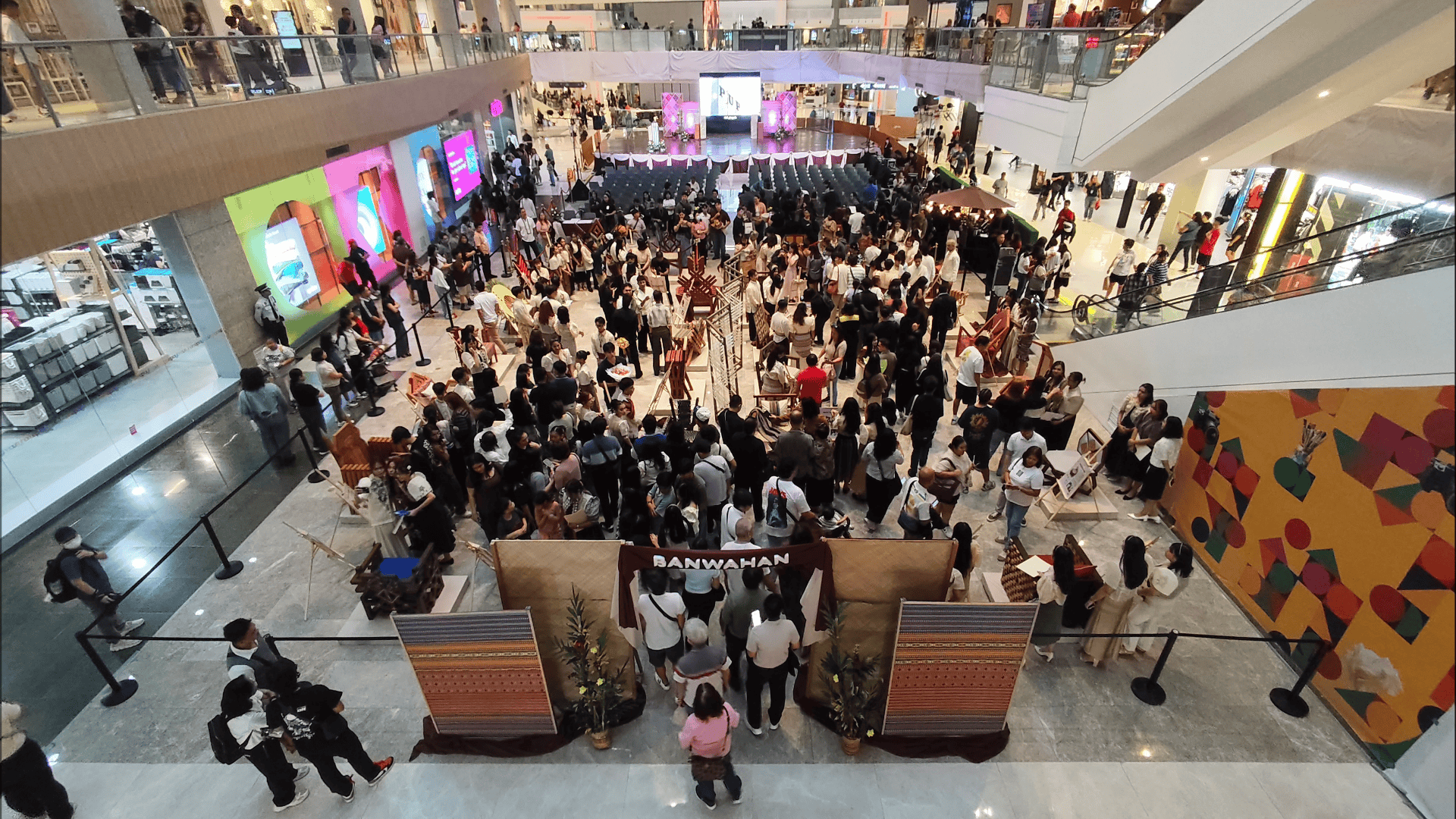
Banwahan. A word that carries that weight of the tribal world. A title that wishes to bring everything back in the beginning. A furniture exhibit that carries the meaning of being home, being in worlds that curated the culture of the Filipinos. An exhibit where students don’t only showcase their mastery in their craft, but showcases their appreciation and acknowledgement. Each chair stands as more than a piece of furniture; it becomes a seat of identity, shaped by the kuwento (story), diwa (spirit), and pamana (heritage) of the tribe it represents.
Banwahan, Banwa, Tahanan. You are home. They made home within reach, they made home hug you by seating, by whispering, by sending a message.
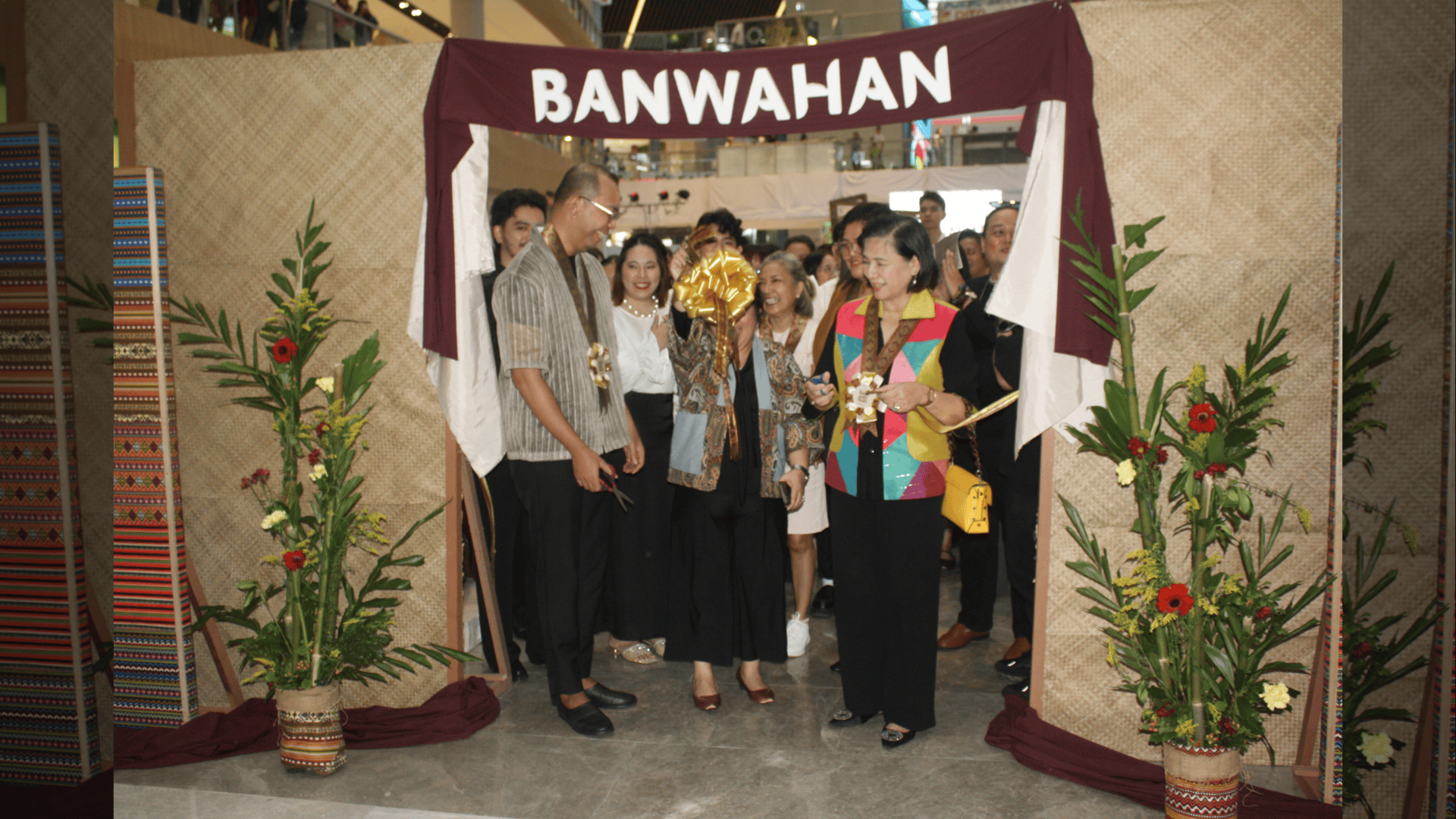
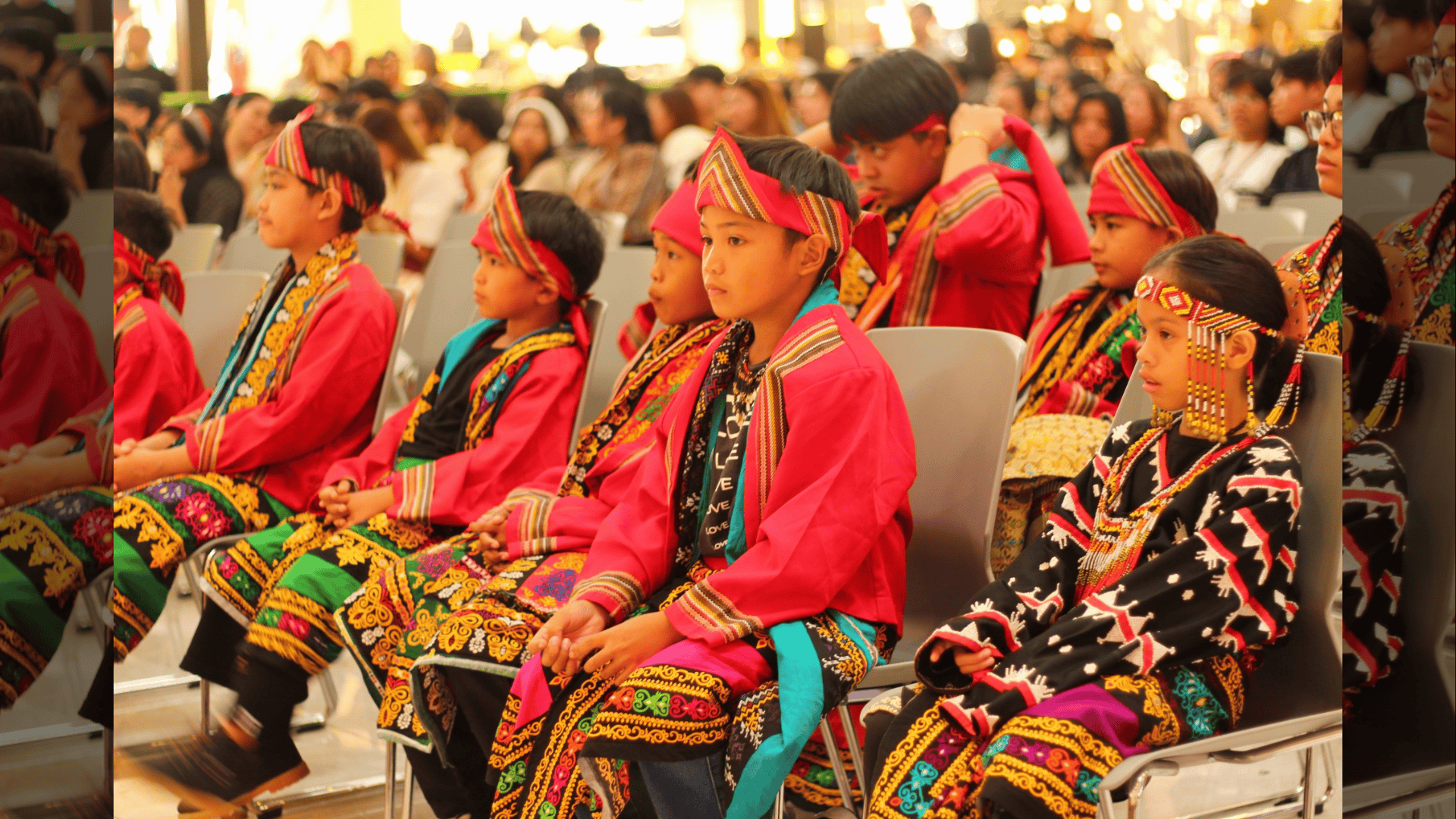
On the 25th of January, one sunny Sunday, the third year students of Polytechnic University of the Philippines Bachelor of Science in Interior Design (PUP BSID) held an opening ceremony for their crafted designs of chairs based on 26 unique Filipino Tribes, travelling back to the Ivatans of Batanes, down to the Tausug of Jolo. They were greeted by a one-of-a-kind performance by Anak Bale-Balayan and a message from their College dean, Ar. Emilie T. Garcia, UAP, where she said to quote, “Mula sayo, para sa bayan was resembled in the designed chairs” as she highlighted the university’s long running motto, as it was reflected through goals and objectives the students wanted to express.
By then, the exhibit class president, Mr. Gregg Estephen Ladera briefly introduced how Banwahan was put together. From what the title meant not only for them but as well as the cultural and arts of Filipino Tribes that was slowly fading due to modernity and fast changing of times. He sent out their advocacy to show to whoever’s listening and make others listen to the essence and importance of recognizing our roots. The exhibit class treasurer followed her, to thank everyone who made the exhibit possible. From their co-presenters, to all the donors who gave something no matter how big or small.
The grand opening kept on sharing messages and acknowledgements as IDR. Adrian P. Del Monte, PhD, PIID, CIDE shared his own challenges by looking back to his memories, connecting and relating it to the same circumstances that the young designers are now facing. He even encouraged the audience to support young creative minds for them to have the confidence to unveil their talents both nation and worldwide. He was telling the crowd that a platform will always be bigger with the right support, honed by cherish and appreciation.
A platform that even Anak Bale-Balayan once again used to perform. A platform that told everyone who was watching, that art, whatever form of art there is, is political. Through their cultural music they sent a message to not be blinded by how far the corruption had stolen from the society. Metaphorically, they are showing everyone that corruption is one of the reasons why homeless children were robbed of a good life. A message that even the exhibitors are trying to convey. To further show unity and solidarity, they even invited some faculty and students to join them in dancing their folk movements.
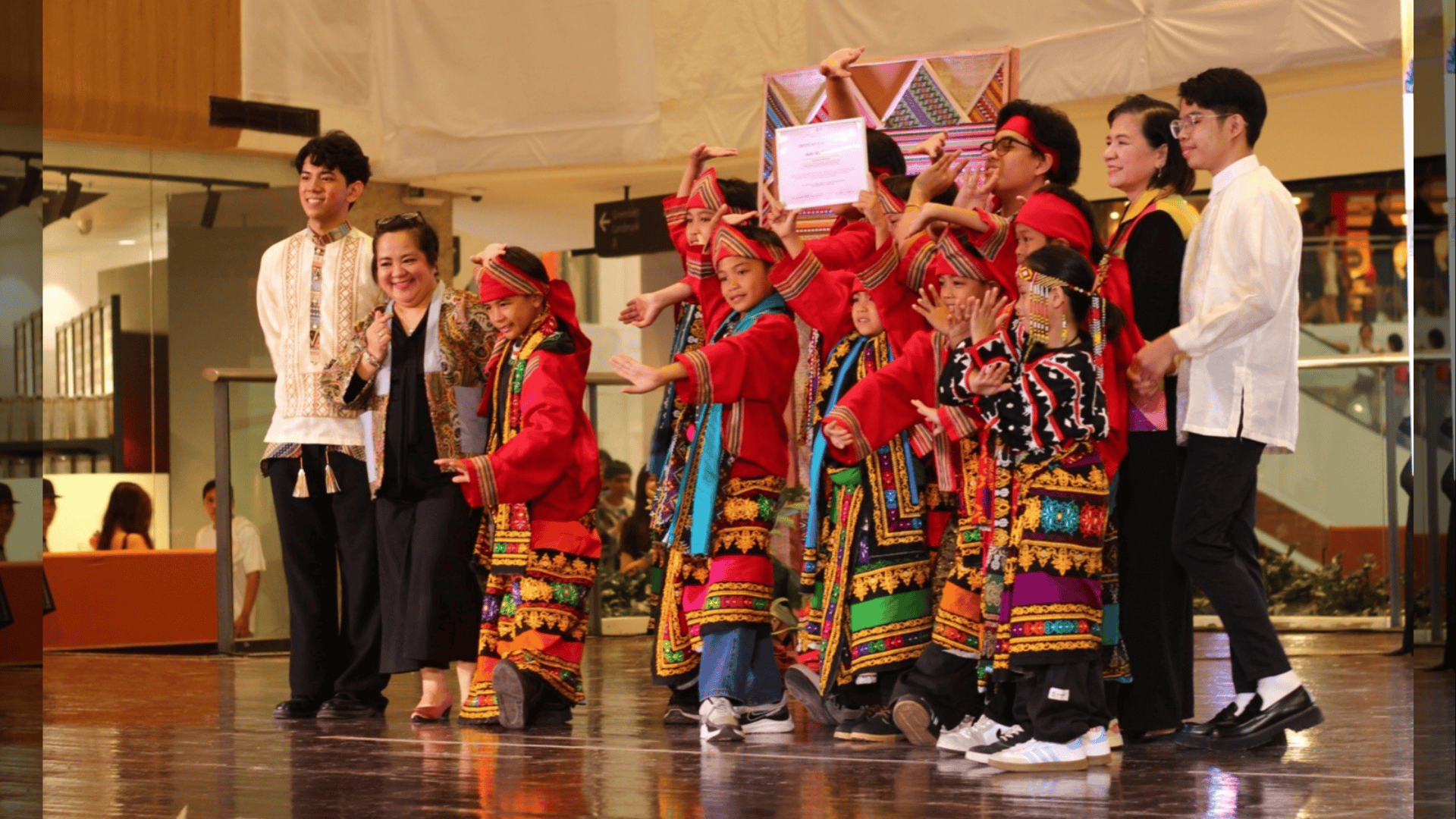
A documentation video was then presented, a compiled stories of 26 different chairs from 26 different tribes, explaining how the students showed up and bravely faced the challenges in order to have the exhibit that would change the trajectory of their lives. It wasn’t just a story of the tribal world, it was a story of their art, of their own way to show gratitude to those who came before modernism. A story of how they followed the constant change while embracing the timeless traditions and patterns. They are a storyteller of the memories they wanted everyone to experience and unfold. With this, their exhibit adviser, IDr. Billie Jean Dela Cruz, PIID, CIDE, presented them their certificate of recognition, one by one calling their name, the tribes they chose, and the chair they skilfully designed.
A chance was even given to the exhibit class, as they were able to face jurors and tell them everything they tried to convey with their design. It wasn’t just a deliberation, it’s a chance to for them and their prototypes to face the world, to turn the whispers into screams, to look back to a future of the Filipino Tribes where they are more appreciated and more known as artisans, and as the root and the heart of the motherland.
The two following days were fever dreams for the student exhibitors. Strangers who saw their tribes and culture praised their works. They saw not just some kind of chair where they could take a seat and let down their guards, they saw a mirror of their life and hometown, their worlds that they tried to look back on despite the busy streets of Manila.
So when they were asked a simple crafted question, “why of all the concepts, you choose to base your designs on the Filipino tribes?” All they answered was to wish that everyone would understand how numerous stories the society has yet to unfold. There’s an avenoir that keeps on knocking, a desire to see memories played backwards, like rewinding moments from your life to experience them again in reverse. Because Banwahan isn’t just an exhibit, it was a longing, not just to remember the past, but to relive it in a different direction, as if time could rewind. Banwahan became a response to everyone longing to see their past once again. The exhibitors did not offer only unique chair designs but they also showcased their recognition of a culture that is slowly being erased by change.
Just take a moment to breathe and relive the colorful past. It wasn’t just an invitation but a reminder that the world is cast, and these chairs were not just ordinary chairs, they were stories, prompt, and distinctive memories of the vibrant world of Filipinos. They are whispers of thousands of stories that deserve to be heard, a world worth returning to, again and again. Sometimes avenoir feels like emotional rewinding, wanting to return to the moment before everything changed.
Welcome Home. It’s okay to take a break in this fast paced world.