Many people approach budgeting with good intentions.
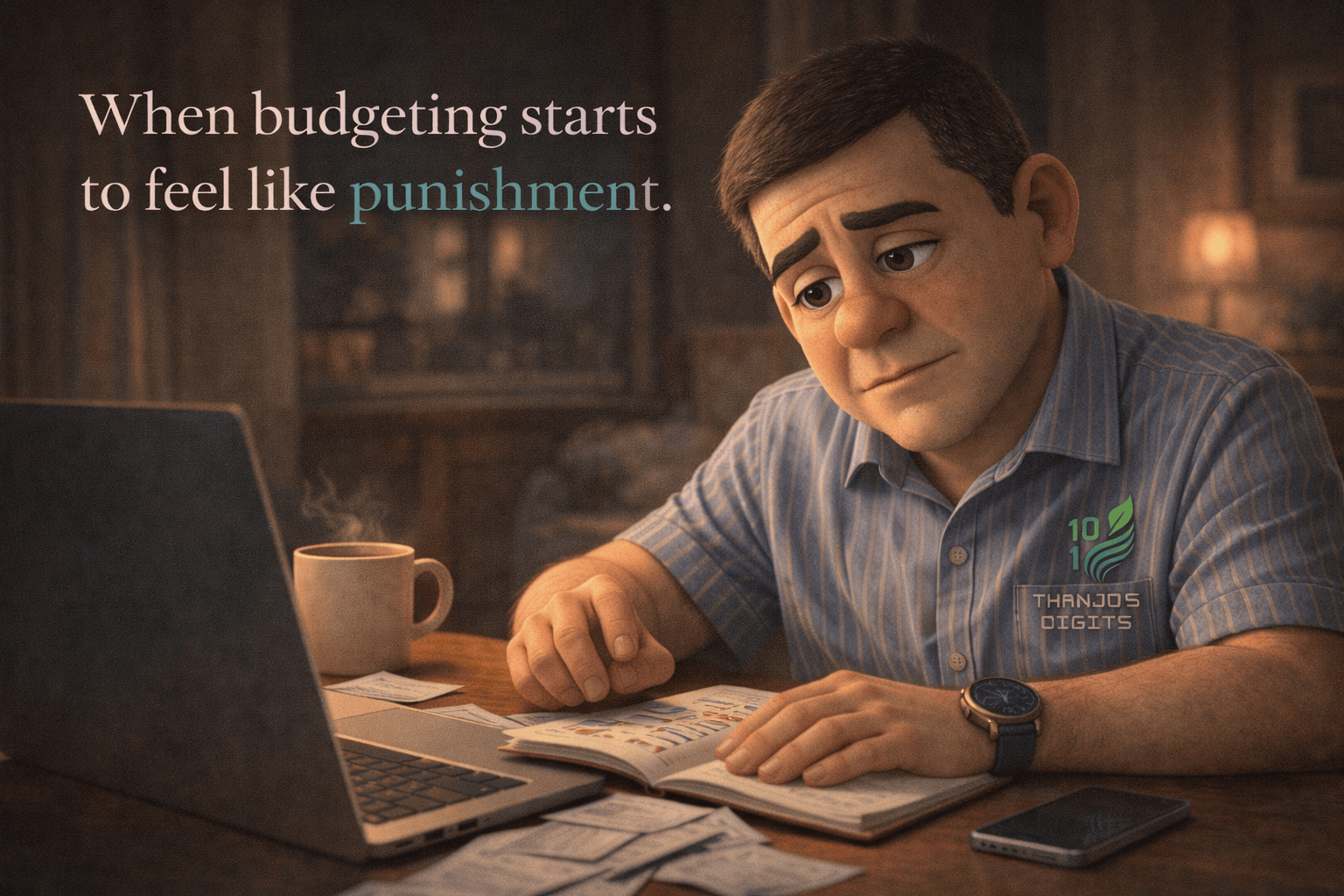
They download apps, write down expenses, follow categories, and promise themselves to stick to the plan. On paper, everything looks organized. But emotionally, something else is happening.
Instead of feeling in control, they feel restricted.
Instead of feeling empowered, they feel guilty.
They follow the budget, but every unplanned expense feels like failure. A simple coffee after a long workday, a family lunch, or treating a parent to a small meal becomes something to justify—something to regret.
Over time, the system that was supposed to bring peace becomes another source of pressure.
This is where many people quietly give up.
Not because they don’t care about their finances, but because discipline without compassion is exhausting.
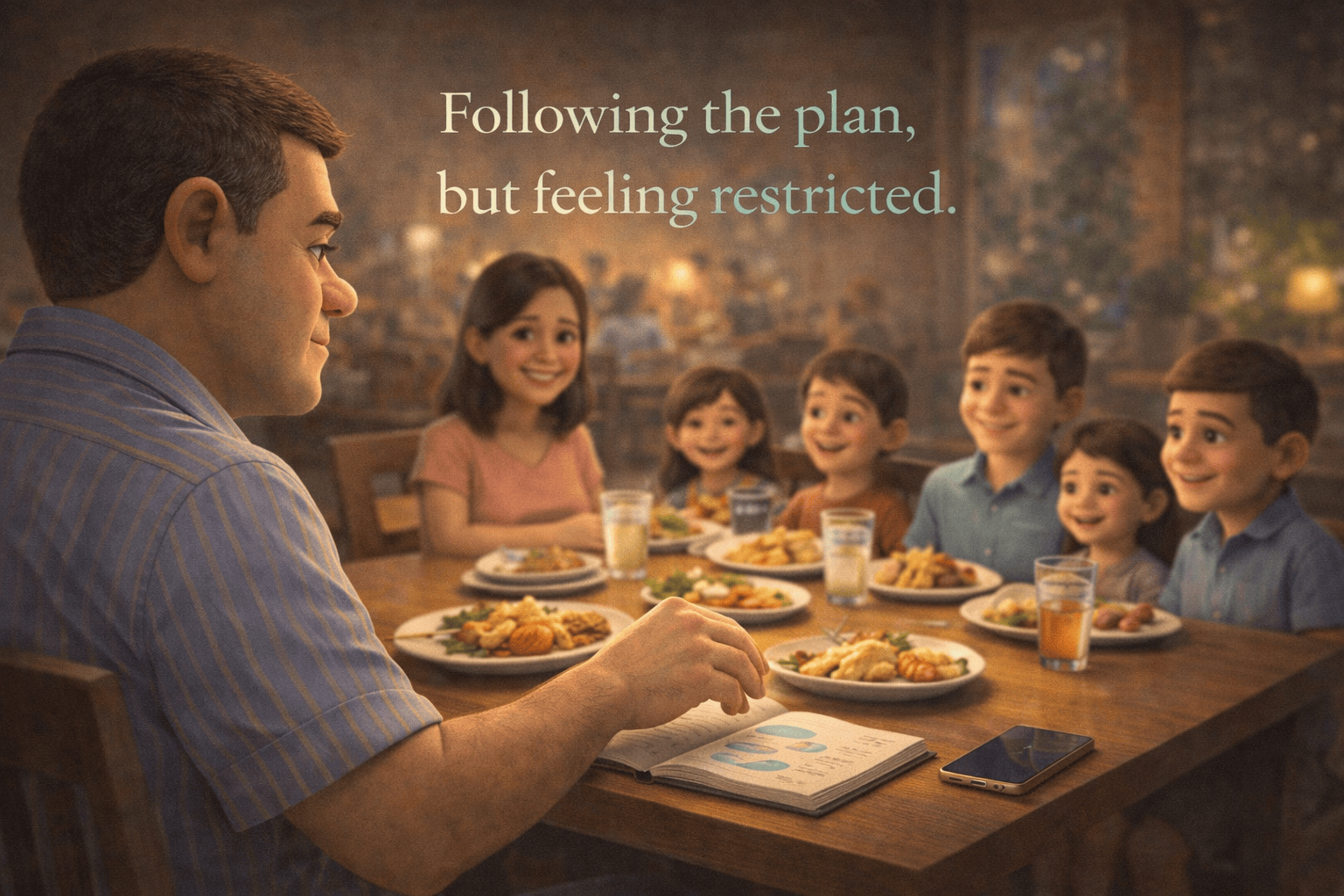
We often assume that financial success comes from being strict enough with ourselves—that if we just push harder, control more, and sacrifice longer, things will eventually improve.
What usually happens instead is burnout.
When a system only demands and never understands, people eventually stop showing up for it. Not because they are irresponsible, but because they are human.
This is why “perfect budgeting” is not the goal.
Life is not predictable. Expenses don’t always follow categories. Emotions don’t follow spreadsheets. Family needs don’t wait for the next budget cycle.
When budgeting is treated as a rigid rulebook, it becomes fragile. One unexpected expense is enough to make the whole system feel broken. And when that happens, people often blame themselves instead of questioning whether the system was realistic to begin with.
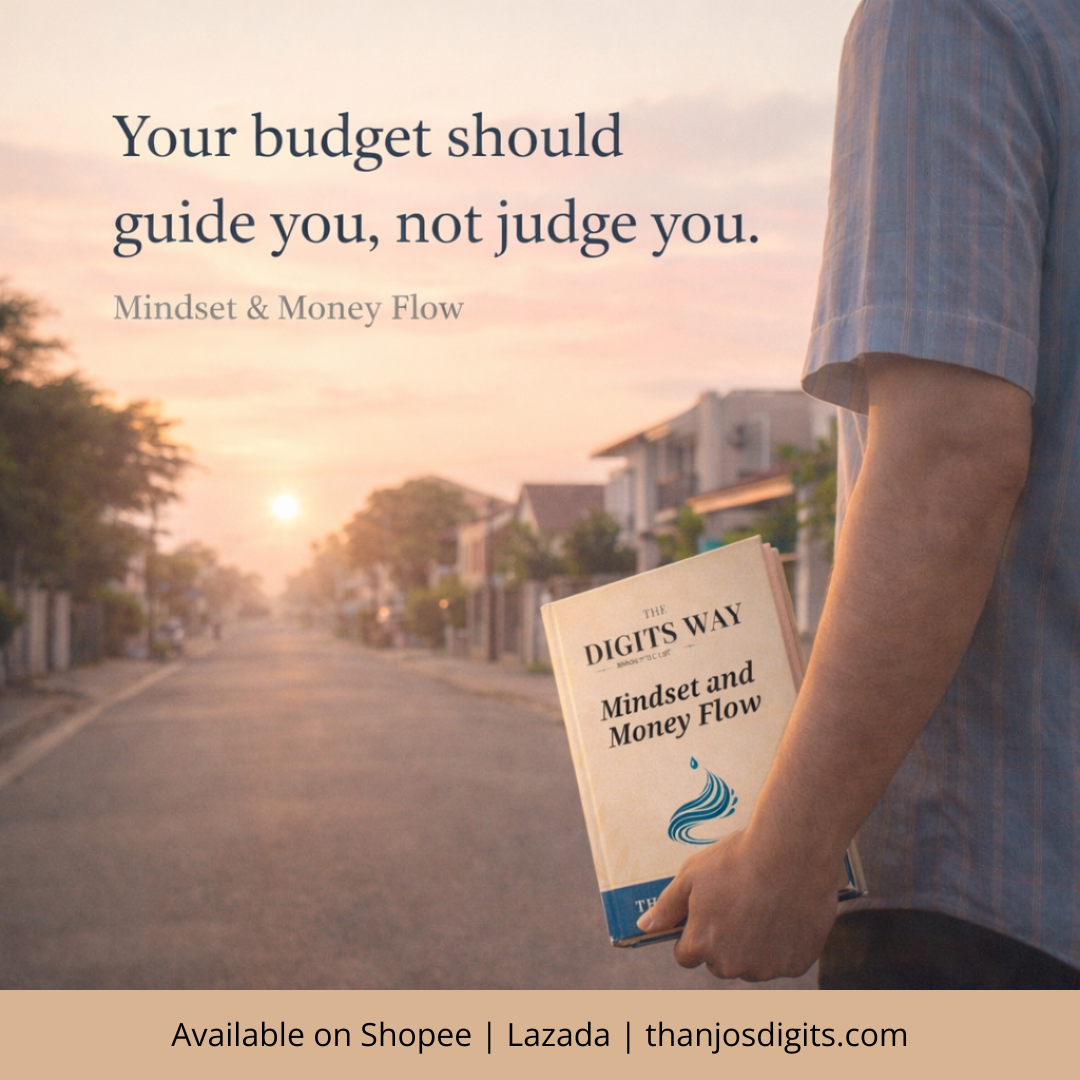
A healthier way to think about budgeting is to see it as a guide, not a guard.

A guide helps you see where you are going.
A guard only tells you when you are wrong.
A good financial system should help you make clearer choices; not make you feel constantly judged by your own plans. It should adjust when life changes, not punish you for being in a different season than you expected.
Instead of asking, “How do I follow this budget perfectly?”
a more helpful question might be,
“What is this system meant to protect?”
Is it meant to protect your future?
Your family’s stability?
Your peace of mind?
When you understand what you are protecting, decisions begin to feel less like restriction and more like intention.
You may still choose not to spend.
But now it’s because you are choosing something else that matters—not because you are afraid of breaking a rule.
This shift may seem small, but it changes everything.
From Control to Care

Budgeting stops being about control and starts becoming about care. Care for your future, your responsibilities, and also for your present self, who is doing your best with what you have.
Financial systems are meant to support real life, not replace it. And real life—with all its unpredictability and emotion—deserves systems that are firm enough to guide, but gentle enough to last.
When financial plans begin to respect emotional realities, they stop feeling like cages and start becoming tools for growth.
Catch Thanjo’s personal finance column every Tuesday at 7 p.m. on IKOT.PH and across Facebook, X (Twitter), and Instagram.
DISCLAIMER:
“The views and opinions of our partners and contributors expressed in this article are exclusively their own and are made in their personal capacities. They do not reflect the views, policies, or official stance of IKOT.PH, its editors, officers, or affiliates. As such, nothing contained herein shall be construed as professional advice or as an official declaration, endorsement, or position of IKOT.PH.”