

The bid to promote development in the country through clean energy and sustainable industries received a boost after a bill seeking the establishment of “green industrial zones” was approved at the committee level in the House of Representatives.
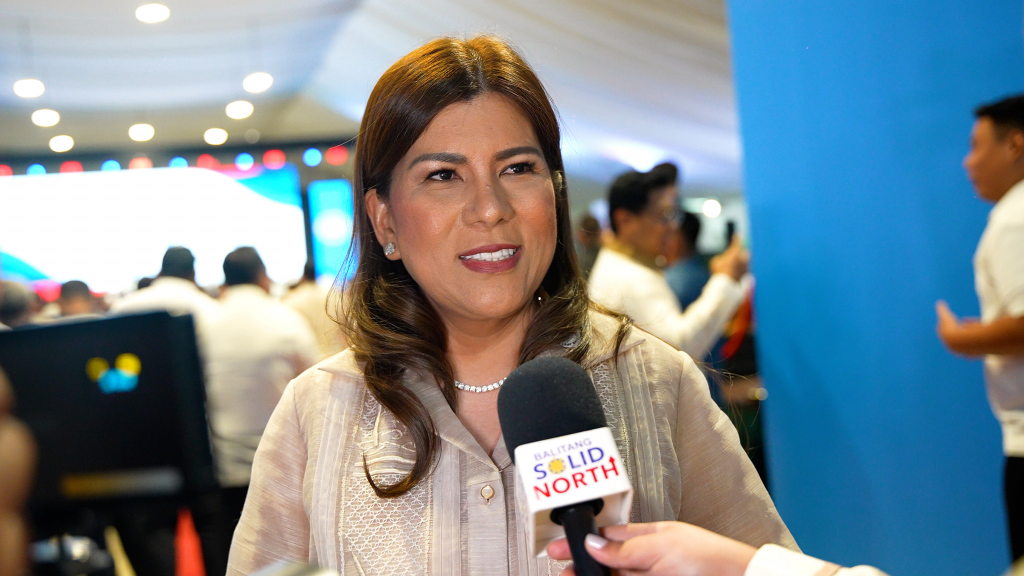
“I would like to thank my esteemed colleagues for recognizing the potential of green industrial zones in spurring development especially in the countryside,” Solid North Party-list Rep. Ching Bernos, author of House Bill No. 3112 said.
“Hindi lang tayo makalilikha ng trabaho, masisiguro din natin na walang dagdag na masamang epekto sa kalikasan ang progreso.”
House Bill No. 3112 or the Green Industrial Zone (GIZ) Program bill was approved during the joint meeting of the committees on economic affairs and trade and industry earlier this week.
The bill seeks the allocation of an initial P5 billion for the establishment of GIZs in strategic locations across the country – especially in underdeveloped regions with untapped potential for renewable energy, sustainable raw materials, and green entrepreneurship.
The lawmaker said that emphasis will be placed on regions such as Northern Luzon – including Ilocos Region, Cagayan Valley, Cordillera Administrative Region, and adjacent provinces – where local industries such as bamboo processing, agro-industrial manufacturing, eco-textiles, solar assembly, and sustainable packaging offer high potential for inclusive green growth.
GIZs would be designated based on criteria such as: environmental suitability and zoning alignment; proximity to renewable energy sources (e.g., hydro, wind, solar, biomass); availability of labor and potential for green job generation.
Adequate access to transportation, utilities, and logistics infrastructure; proposed or existing presence of enterprises aligned with green standards; availability of shared services such as waste treatment, eco-friendly packaging, and skills training facilities.
Bernos also emphasized the job-generating focus of the bill, as the Technical Education and Skills Development Authority (TESDA) would be tasked to create a Green Skills Training and Certification track focused on: renewable energy systems (installation, maintenance); sustainable construction and retrofitting; eco-design and sustainable packaging; bamboo and indigenous material processing; organic agro-processing; and waste recovery, composting, and recycling enterprises.
“Through green industries, we have a chance to pursue sustainable growth while minimizing environmental damage and reducing our carbon footprint. Hindi lang tayo makalilikha ng trabaho, masisiguro din natin na walang dagdag na masamang epekto sa kalikasan ang progreso.”