
Senator Bong Go, a co-author and co-sponsor of Republic Act No. 12316, underscored the need for more responsive fuel relief mechanisms while raising concerns from farmers and fisherfolk who have reportedly been left out of existing fuel subsidy programs that largely cover the transport sector.
Go noted that rising fuel costs directly affect food production and distribution, stressing that primary producers must not be overlooked in government interventions.
RA 12316 provides a legal mechanism allowing temporary adjustments to fuel excise taxes during periods of sustained high oil prices.
The veteran legislator pointed to the measure as a necessary intervention tool in an economy heavily affected by external energy shocks, particularly in transport, food distribution, and basic commodities.
“Layunin ng batas na ito na magkaroon ng agarang mekanismo para maibsan ang epekto ng mataas na presyo ng langis sa ating mga kababayan.”
“Layunin ng batas na ito na magkaroon ng agarang mekanismo para maibsan ang epekto ng mataas na presyo ng langis sa ating mga kababayan. Kapag tumataas ang presyo ng krudo sa pandaigdigang merkado, ramdam agad ito sa pang-araw-araw na gastos ng bawat Pilipino,” the seasoned lawmaker said.
At the same time, the senator relayed concerns from stakeholders in the agriculture and fisheries sectors.
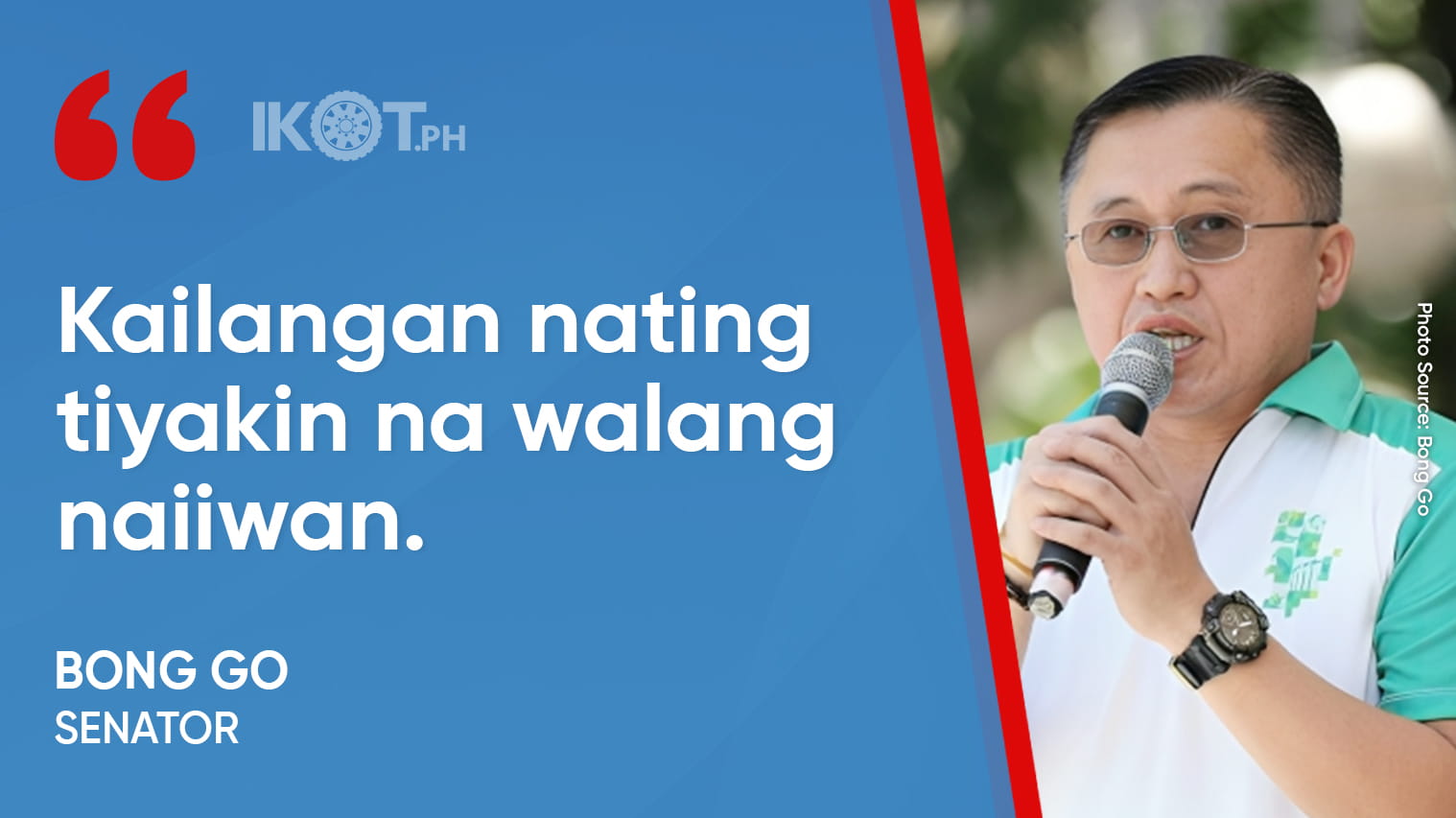
“May mga magsasaka at mangingisda na nagsasabi na hindi sila kabilang sa listahan ng mga nakakatanggap ng ayuda. Kadalasan, transport sector lang ang nabibigyan. Kailangan nating tiyakin na walang naiiwan, lalo na ang mga sektor na direktang apektado ng pagtaas ng presyo ng langis,” he pointed out.
Under the law, the President may suspend or reduce excise taxes on petroleum products upon the recommendation of the Development Budget Coordination Committee (DBCC), in coordination with the Department of Energy (DOE), when the average Dubai crude oil price reaches or exceeds $80 per barrel for one month, based on the Mean of Platts Singapore (MOPS), immediately preceding the issuance of the order, as indicated in the enrolled bill.
The law allows either full suspension or partial reduction of excise taxes, depending on prevailing economic conditions, and may be applied to specific petroleum products. However, safeguards are embedded to ensure that such measures remain temporary and controlled.
“Hindi ito basta-bastang pagtanggal ng buwis.”
“Hindi ito basta-bastang pagtanggal ng buwis. May malinaw na batayan kung kailan ito ipapatupad at kung gaano katagal. Layunin nito na magbigay ng ginhawa sa tamang panahon nang hindi naaapektuhan ang pangkalahatang balanse ng ekonomiya,” Go explained.
Any suspension or reduction may only be effective for a period not exceeding three months at a time, with limits imposed within a calendar year. The law also provides for automatic reversion to original excise tax rates once global oil prices fall below the threshold or after the lapse of the authorized period, whichever comes first. The authority granted under the measure is valid only until December 31, 2028.
To strengthen accountability, the law requires that, within fifteen days from the issuance of a suspension or reduction order, and monthly thereafter, the President must submit a report to Congress through the DBCC. The report must include the factual basis for the decision, estimated revenue impact, and effects on fuel prices and inflation.
He emphasized the importance of transparency in implementing the measure.
“Mahalaga na may malinaw na ulat at datos sa bawat hakbang. Dapat nakikita ng publiko kung paano ginagamit ang batas na ito at kung paano nito natutulungan ang ekonomiya at ang ordinaryong mamamayan,” Go concluded.