
As the oil crisis deepens concerns over energy supply, Isabela is turning to a surprising resource most people throw away—garbage.
As it turns out, in Isabela, trash just needs a career change.
The Provincial Government of Isabela (PGI) is advancing plans for a waste-to-energy (WTE) facility that will convert municipal solid waste into renewable electricity, helping address waste management challenges while strengthening long-term energy security.
Governor Rodito Albano and Vice Governor Kiko Dy met at the Isabela Capitol with Ryo Hagiwara, Director of the Ministry of Land, Infrastructure, Transport and Tourism of Japan, and a representative of Index Strategy, Inc., a Japanese project management firm, to discuss the technical, operational, and financial aspects of the proposed facility.
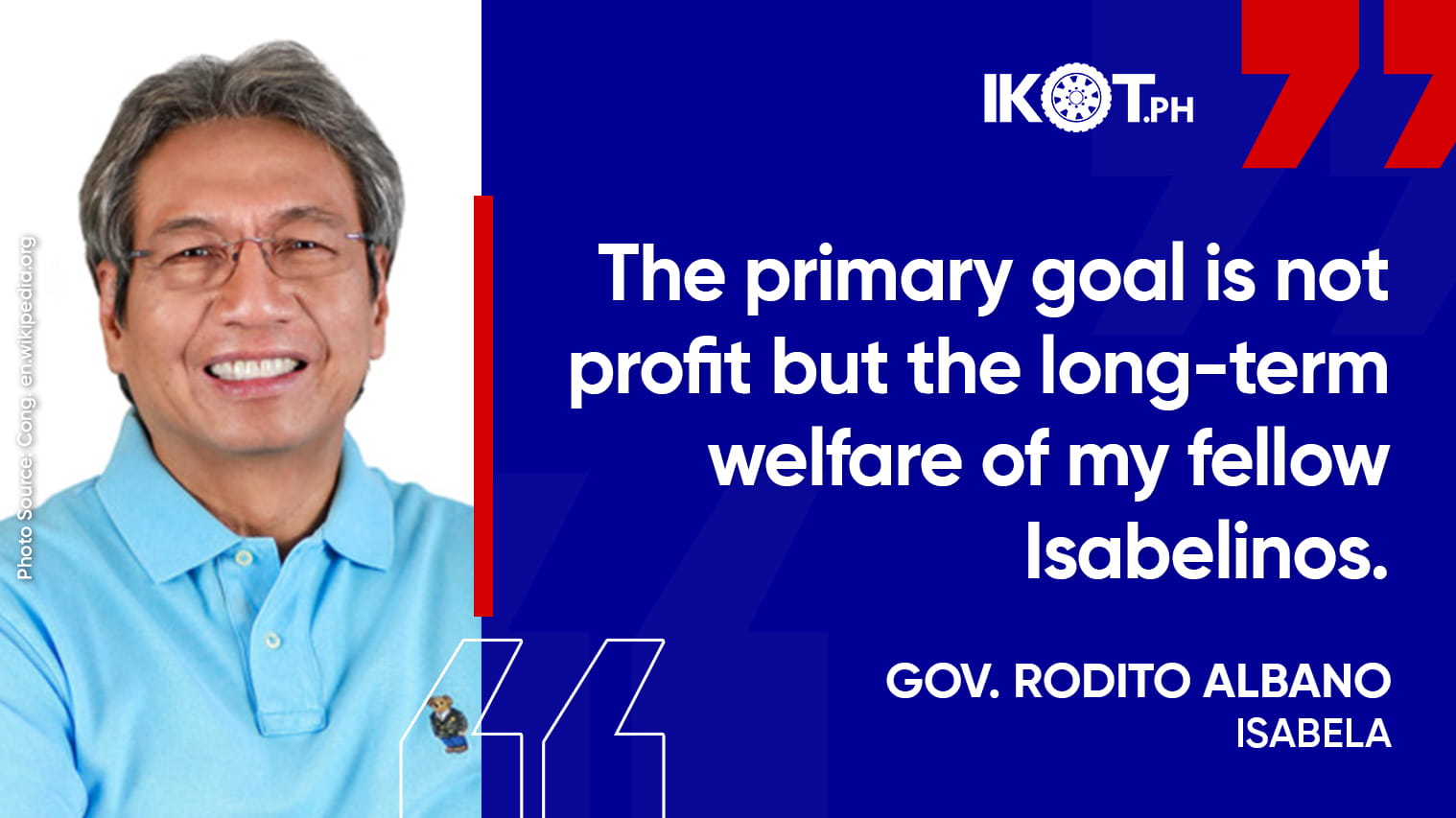
Albano expressed strong enthusiasm for the project, emphasizing that its primary goal is not profit but the long-term welfare of his fellow Isabelinos.
“The initiative is designed to support a cleaner Isabela and ensure a dependable electricity supply for future generations.”
The governor stressed that the initiative is designed to support a cleaner Isabela and ensure a dependable electricity supply for future generations, calling it a key investment in the province’s long-term development.
The project will be implemented through a joint venture between the Isabela government, representing its 34 municipalities and two component cities, and private sector investors.
Where Our Trash Ends Up
In 2024, Isabela produced 491,137.72 tons of waste, as reported by the Environment and Natural Resources Office – Isabela, enough to form towering heaps of trash. Now, imagine those same mountains transformed, no longer rotting in landfills but powering communities through a waste-to-energy facility.
Under the proposed system, all LGUs will be responsible for transporting fresh waste directly to the facility, significantly reducing landfill waste and lowering associated operational costs.
Key technologies to be used at the plant include Refuse-Derived Fuel (RDF) systems and anaerobic digestion.
Key technologies to be used at the plant include Refuse-Derived Fuel (RDF) systems, which convert waste into a combustible fuel source, and anaerobic digestion, which breaks down biodegradable materials in an oxygen-free environment to produce biogas.
In addition, pyrolysis will thermally decompose waste at high temperatures without oxygen, generating fuel and other useful by-products.
The final plant capacity will still be determined by the province based on the actual daily volume of waste available for processing.
The project will be situated within the province at a location to be determined by an ongoing provincial government study. Key criteria for the final selection include proximity to existing utility infrastructure (power and water) and a geographical profile that is resistant to flooding.
Win-Win Situation
The waste-to-energy project benefits both the environment and the economy by reducing the volume of waste sent to landfills while generating renewable energy and useful by-products that support local development.
By-products from pyrolysis-based processes, such as biochar (a carbon-rich material), can be used as a soil amendment to improve fertility and support agricultural productivity, aligning with Isabela’s status as an agricultural powerhouse.
The technology is also expected to streamline waste management by reducing the need for manual segregation.
The electricity generated will enhance regional power supply stability while contributing to national renewable energy targets.
Once completed and operational, the project is expected to position Isabela as one of the Philippines’ leading provinces in sustainable waste management and renewable energy development, serving as a model for other local government units.
In Isabela, trash does not need to be thrown away, only given a new role. From landfill filler to power provider, waste is finally pulling its weight.