Senator Camille Villar, the chairperson of the Senate Committee on Environment, Natural Resources and Climate Change, reaffirmed her push for circular and renewable energy solutions as she joined the launch of the biomass facility of Nestlé Philippines in Cabuyao, Laguna—highlighting the role of sustainable industrial practices in strengthening energy resilience and supporting local communities.
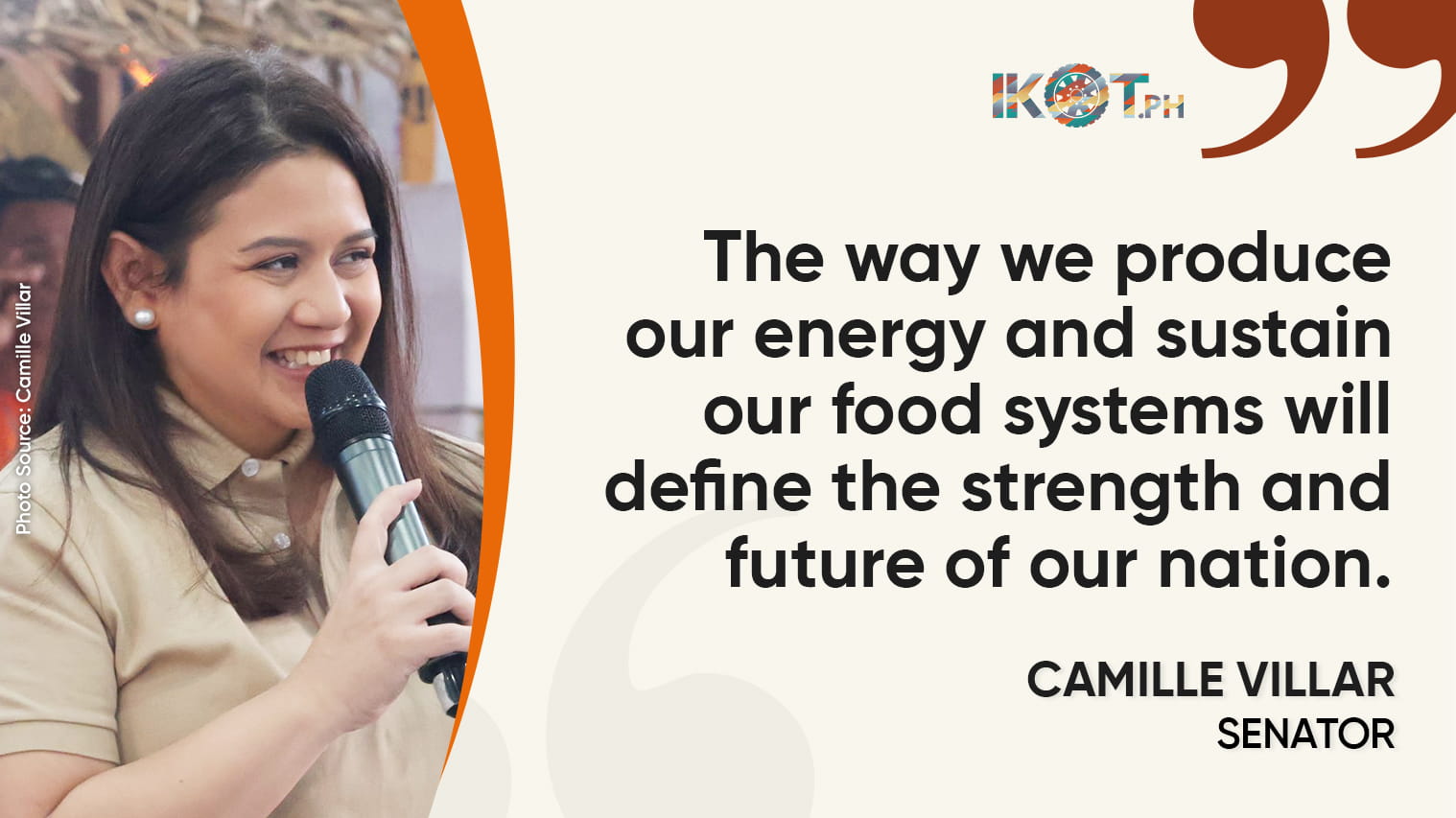
“In a time of global uncertainty and climate urgency, the way we produce our energy and sustain our food systems will define the strength and future of our nation,” Villar said, emphasizing that solutions for sustainable energy are urgently needed at this point where supply and availability of fuel sources are uncertain and vulnerable.
“This model reflects the kind of inclusive and localized sustainability approach needed in the Philippines.”
The legislator commended Nestlé Philippines for investing in a facility that converts agricultural residues into clean energy, noting that such innovations not only reduce dependence on fossil fuels but also create economic opportunities for farmers by turning waste into valuable resources. The lawmaker underscored that this model reflects the kind of inclusive and localized sustainability approach needed in the Philippines.
The lady senator also reiterated the importance of strengthening policies on resource efficiency, and renewable energy adoption, citing the need to build a more climate-resilient economy amid rising global energy risks and increasing environmental challenges.
“As legislators and partners in nation-building, our role is to ensure that initiatives like this are supported, scaled, and sustained,” she added, expressing full support for private sector-led innovations that align with national sustainability goals.
“I hope the facility will inspire more investments in clean energy, and that more industries will follow and aspire to become part of the solution.”
Villar also added that she hopes the facility will inspire more investments in clean energy, and that more industries will follow and aspire to become part of the solution.
The biomass facility forms part of Nestlé Philippines’ broader commitment to achieving net-zero emissions by 2050, while contributing to the country’s transition toward a more sustainable and energy-secure future.