
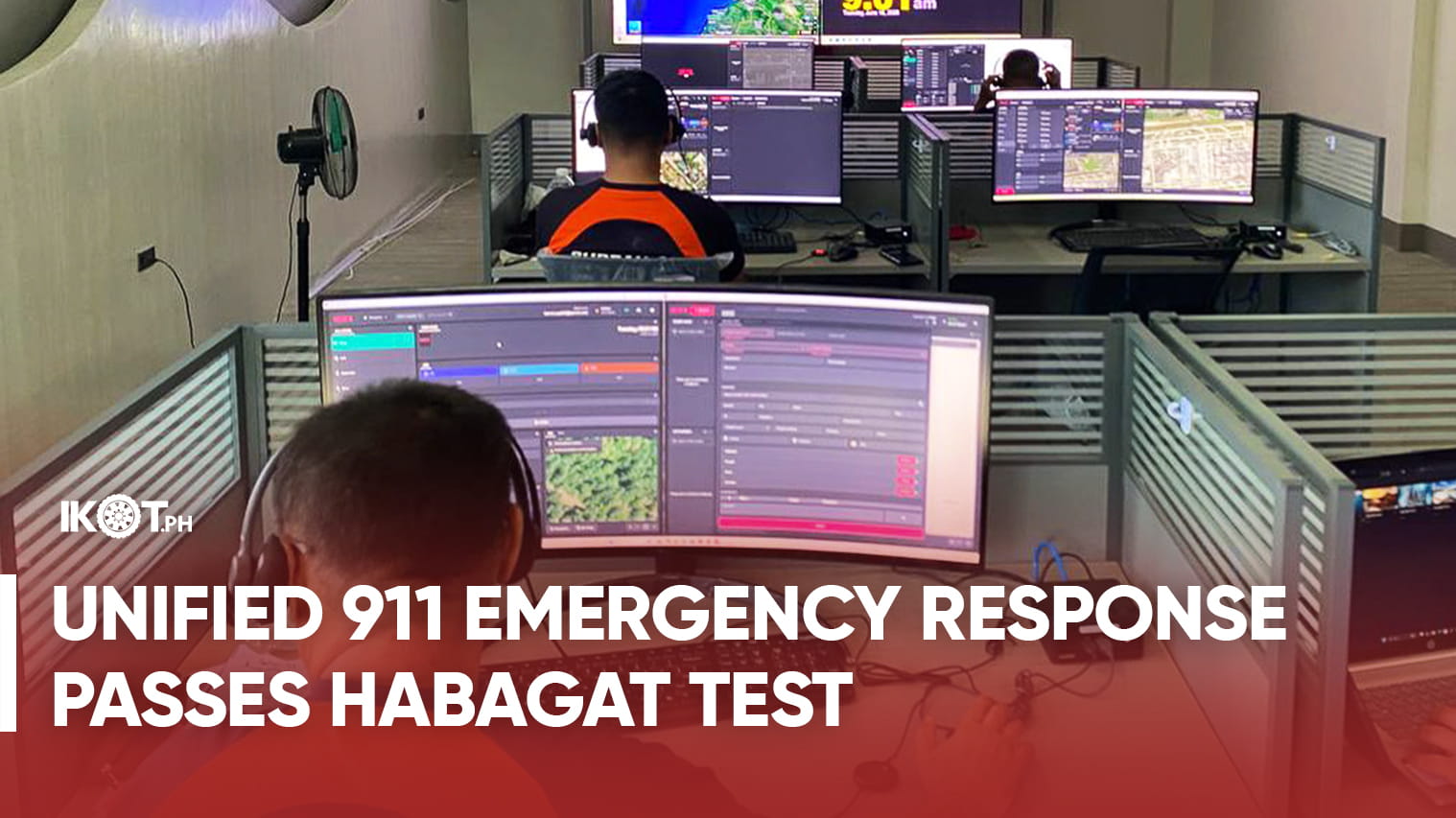
Citizens lauded unified 911 and its superior communication tools as the recent dire weather conditions threatened lives and property during Habagat’s most challenging phase during the weekend and the start of the week.
Emergency response calls received by the National Command Center requested for help about rising flood waters that were about to engulf their homes, stranded vehicles in floods and residences already submerged in water.
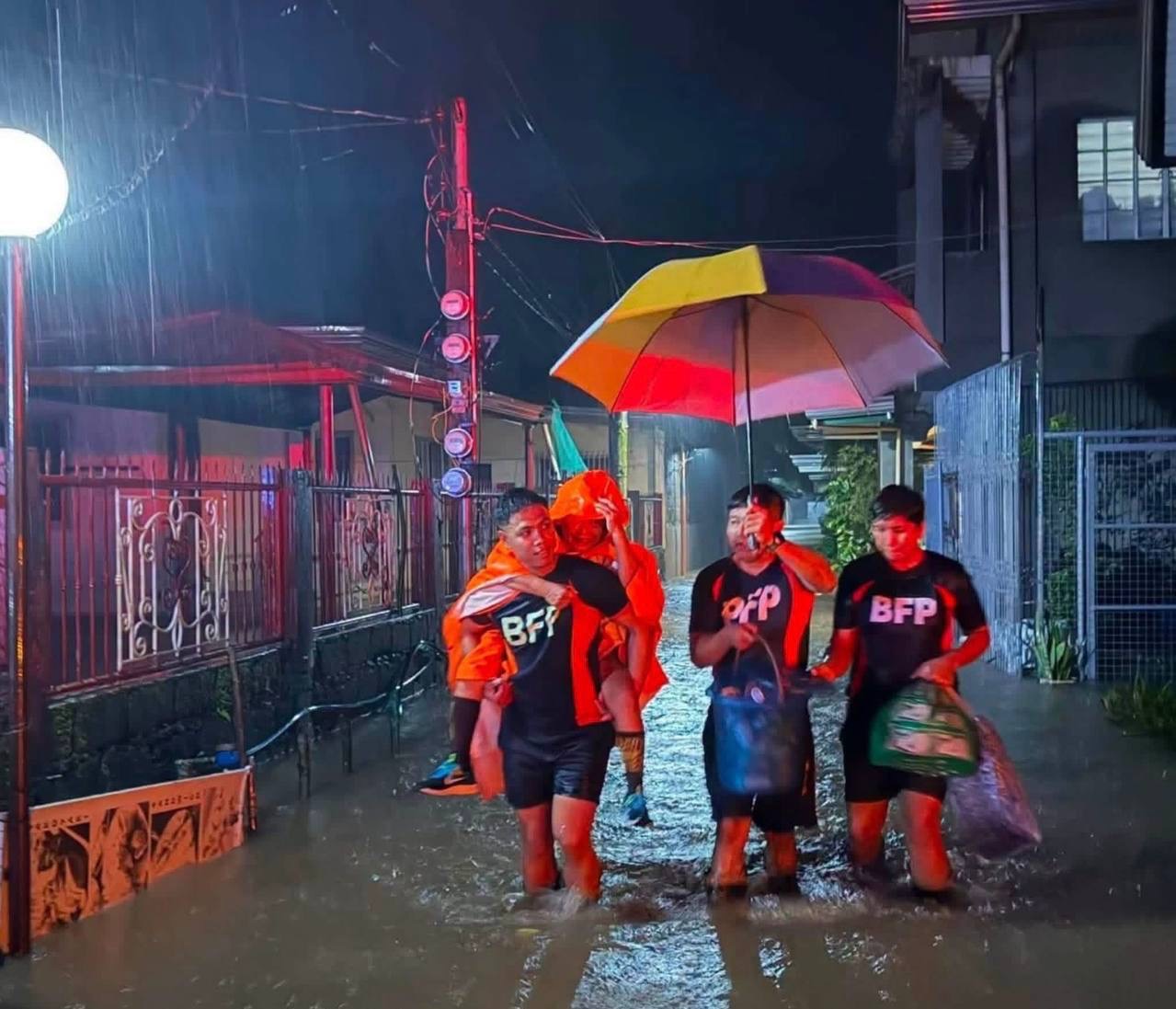
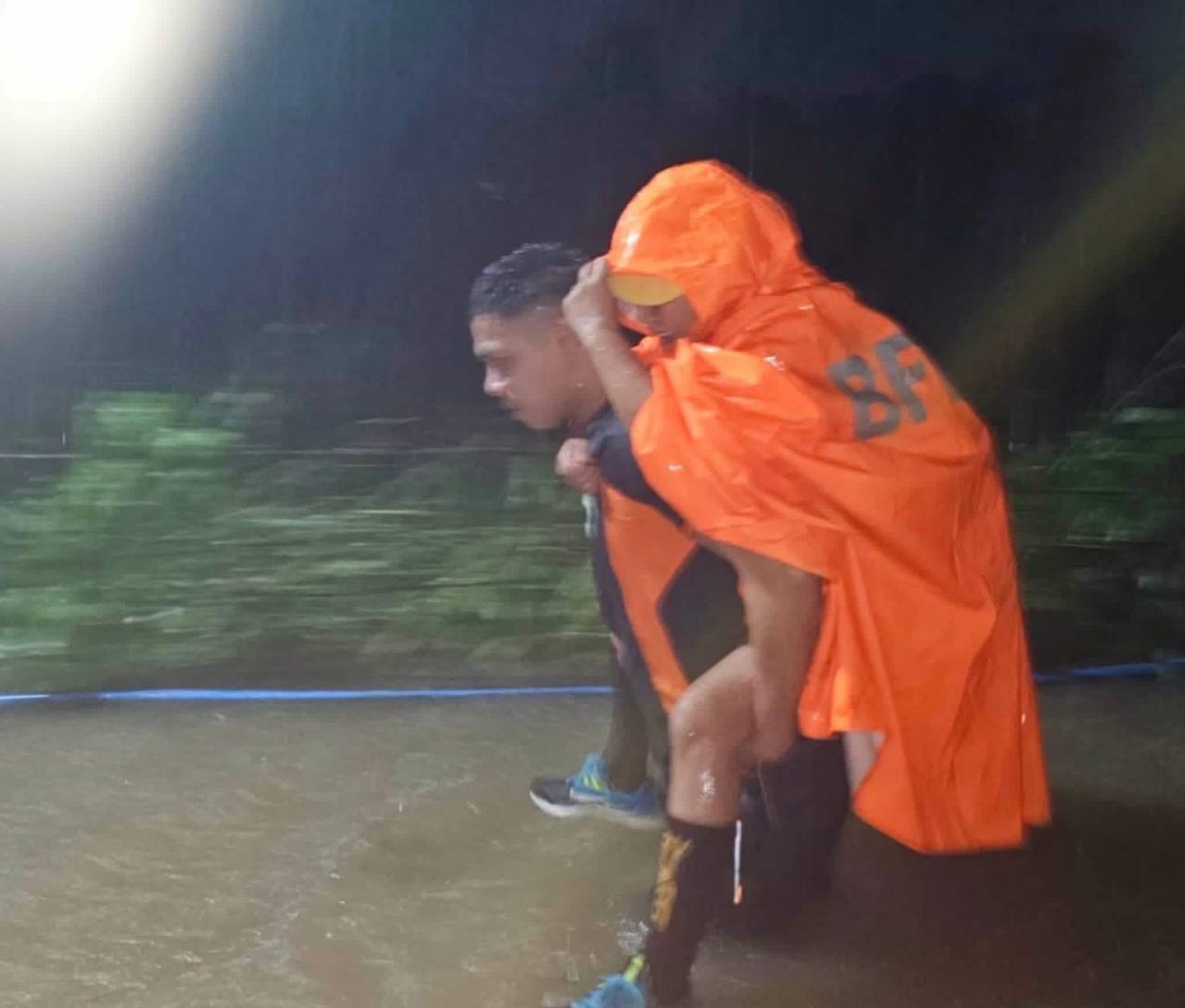
Citizens in Parañaque, Las Piñas, Cavite, Bulacan and Batangas promptly received assistance, were rescued by boats or firetrucks, taken to evacuation centers or freed from their trapped homes and vehicles. The fastest response time recorded during the rescue operations was two minutes.
“As resilient as the Filipinos,” the 911 service works non-stop.”
The next-gen public safety communication system was cited as an effective lifeline because it did not experience any downtime as Habagat raged on. Legacy networks would have typically collapsed.
Unbroken citizen lifelines kept emergency communications going, guaranteeing that citizens in distress could reach help during the torrential rains and rising waters.
“911 is always on heightened alert, more so during this type of disasters. All personnel leaves were canceled, and responders were recalled to duty to ensure every command center is fully staffed, fully operational, and ready to take critical calls without delay,” Executive Director Francis Fajardo of the National 911 office revealed.
“In the past, during typhoons and habagat, citizens encountered dead zones, line congestion and communication blackouts. Now there is guaranteed citizen access, zero downtime and immediate relay of emergency calls to first responders,” added Sean Valdez, Strategic Governance and Operations Manager, NGA 911 Philippines.
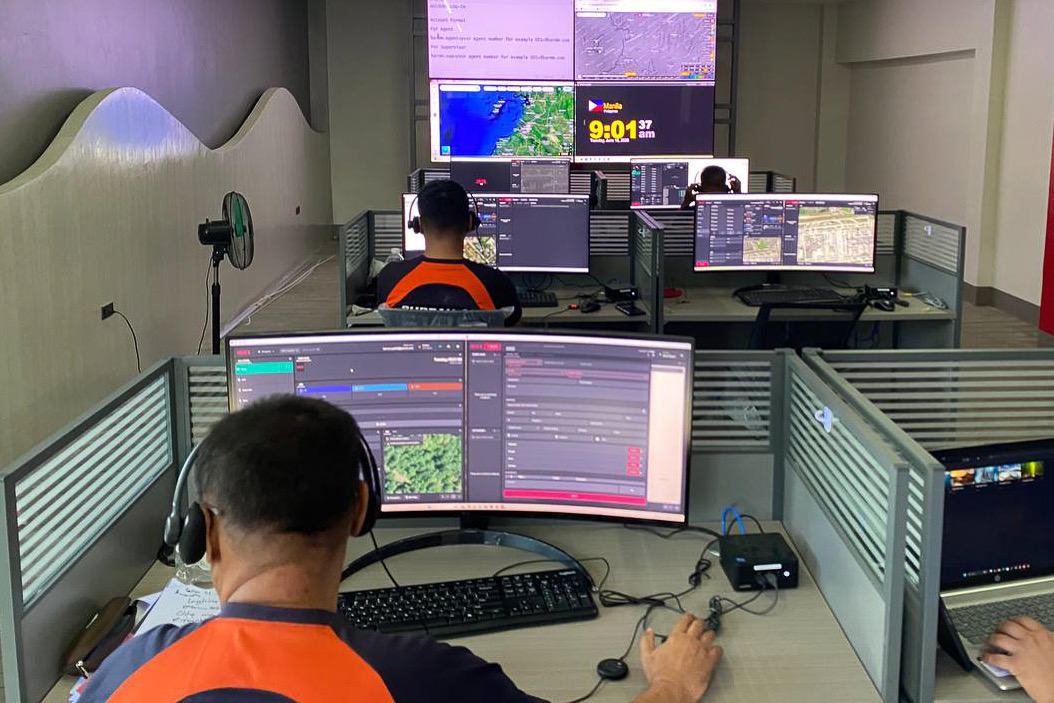
Prior to the activation of unified 911, first responders and rescue workers had to rely on guesswork and approximates, thus delaying action on emergency calls. With unified 911 powered by NGA technology and beefed up by Unified Platform for Communications and Dispatch (UPCAD) critical communication tools, real time caller data, location tracking and digital workflows aided by rugged mobile devices efficiently coordinate first responders.
“Unified 911 serves as the central intake and call relay engine for 911 emergency calls. It does not directly coordinate on the ground rescue units. The call relay process remains consistent regardless of the system used,” Valdez explained.
“As resilient as the Filipinos,” the 911 service works non-stop, noted Rob Llaguno, Country Head of NGA 911, the company that provides the cutting-edge technology to the unified 911 system.
Llaguno said the next step is to expand 911 accessibility beyond traditional voice calls. Unified 911 will be accessible through social media (Meta) platforms for digital messaging. Once the system is operating at full capacity, the Philippines will not just have the most dependable but also the most accessible emergency response system for its citizens and guests, Llaguno concluded.