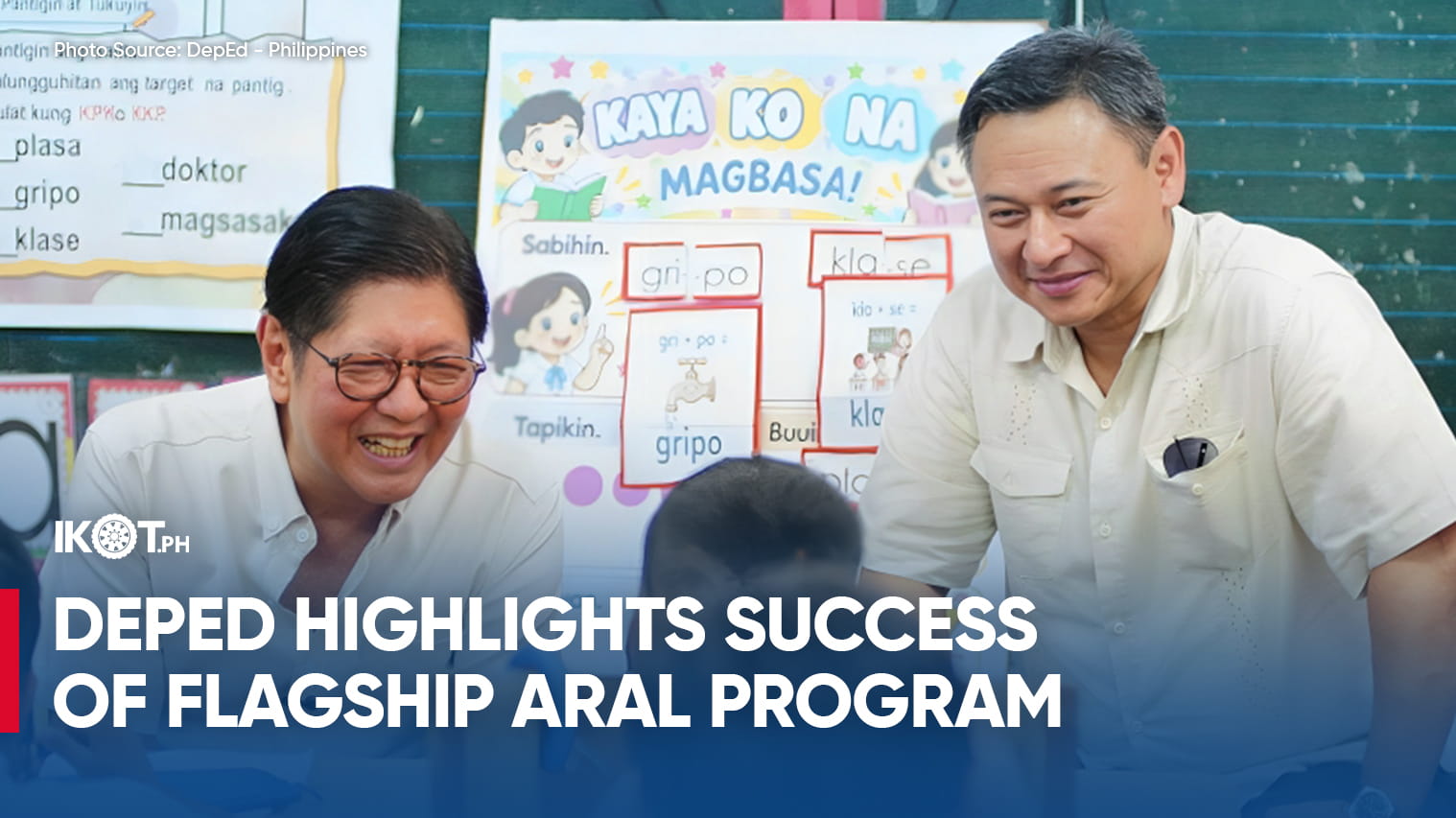
Across public schools nationwide, an inspiring turnaround in learner literacy is taking root under the Department of Education’s (DepEd) flagship Academic Recovery and Accessible Learning (ARAL) Program.
This national movement directly advances the Philippines’ commitment under the Association of Southeast Asian Nations (ASEAN) Declaration on Foundational Learning, reinforcing early literacy and numeracy as vital drivers of long-term economic and human development across the region.
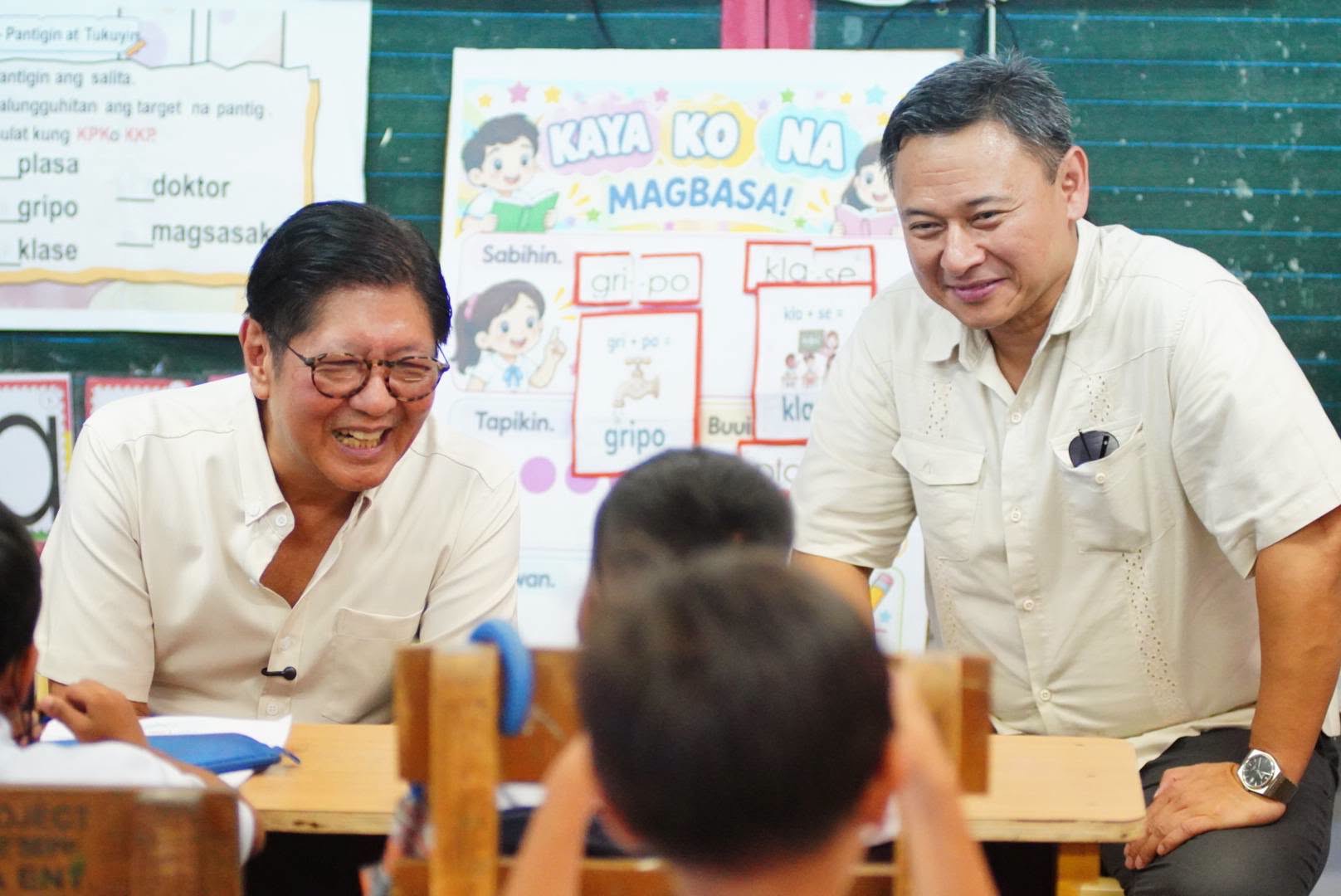
President Ferdinand R. Marcos Jr. and Education Secretary Sonny Angara recently visited Catbalogan III Central Elementary School to observe the ground-level impact of ARAL.
Their visit highlighted significant progress in foundational learning, backed by School Year (SY) 2025-2026 assessment results that show a reduction in the number of struggling readers by 4.5 million, from 6.7 million down to 2.2 million, while the number of learners demonstrating grade-level reading readiness increased by 2.5 million.
The ARAL Program continues to expand its interventions, strengthening support for learners in both literacy, and mathematics (ARAL Math) to help them build essential foundational skills and improve learning outcomes.
At Catbalogan III Central Elementary School alone, baseline assessments from School Year 2025–2026 improved dramatically, with the number of struggling readers slashed from 253 down to just 91 by the end of the school year.
“Ito ang bilin sa atin ni Pangulong Bongbong Marcos Jr., na tiyaking walang batang maiiwan at bawat mag-aaral ay may sapat na kakayahan para magtagumpay. Ang ARAL Program ay hindi lang basta pagtuturo; ito ay pagbibigay ng pag-asa at mas maliwanag na kinabukasan para sa ating kabataan,” Angara said.
“Kitang-kita natin dito sa Samar na kapag nagtulong-tulong ang mga guro, magulang, at pamahalaan, mabilis nating naaagapan ang kahinaan sa pagbasa ng ating mga mag-aaral.”
Beyond statistics, the ARAL Program is changing daily life for learners and easing financial pressures on families.
After struggling and crying through Grade 1, Johnny Batica joined the ARAL summer sessions. His mother initially offered him a ₱20 daily allowance as an incentive, but Johnny soon asked her to save the money because he no longer needed an incentive to enjoy reading. His mother shared that her son now takes the initiative to study at home.
“Ensuring every child can read and calculate effectively is the foundation of economic opportunity and human development across the entire region.”
Similarly, Copher Romana faced severe reading hurdles in Grade 1, prompting his mother to consider hiring a private tutor. Through ARAL, Copher made rapid reading progress while working independently on his modules, saving his family on tutoring expenses while earning praise from his teacher for active classroom participation.
Starting with basic letter recognition, Erick Arnaiz received targeted one-on-one sessions during lunch breaks. His reading proficiency steadily advanced from single words to full sentences and paragraphs. He excitedly shared his breakthroughs at home, highlighting the vital role of parental support in reinforcing lessons at home.
Aspiring to become a police officer, Ryan Maballo built his reading foundation through ARAL summer sessions. Supported by consistent parental encouragement, he progressed from reading word fragments to comprehending full stories.
Building on this momentum, the ARAL Program continues to expand its interventions, strengthening support for learners in both literacy, and mathematics (ARAL Math) to help them build essential foundational skills and improve learning outcomes.
“As we welcome our regional partners for the ASEAN Summit, the progress of learners like Johnny, Copher, Erick and Ryan demonstrates why foundational learning must remain at the top of our shared agenda,” Angara added.
“Ensuring every child can read and calculate effectively is the foundation of economic opportunity and human development across the entire region.”