
DOT7 leads check-in conference, worker-first policy pushed
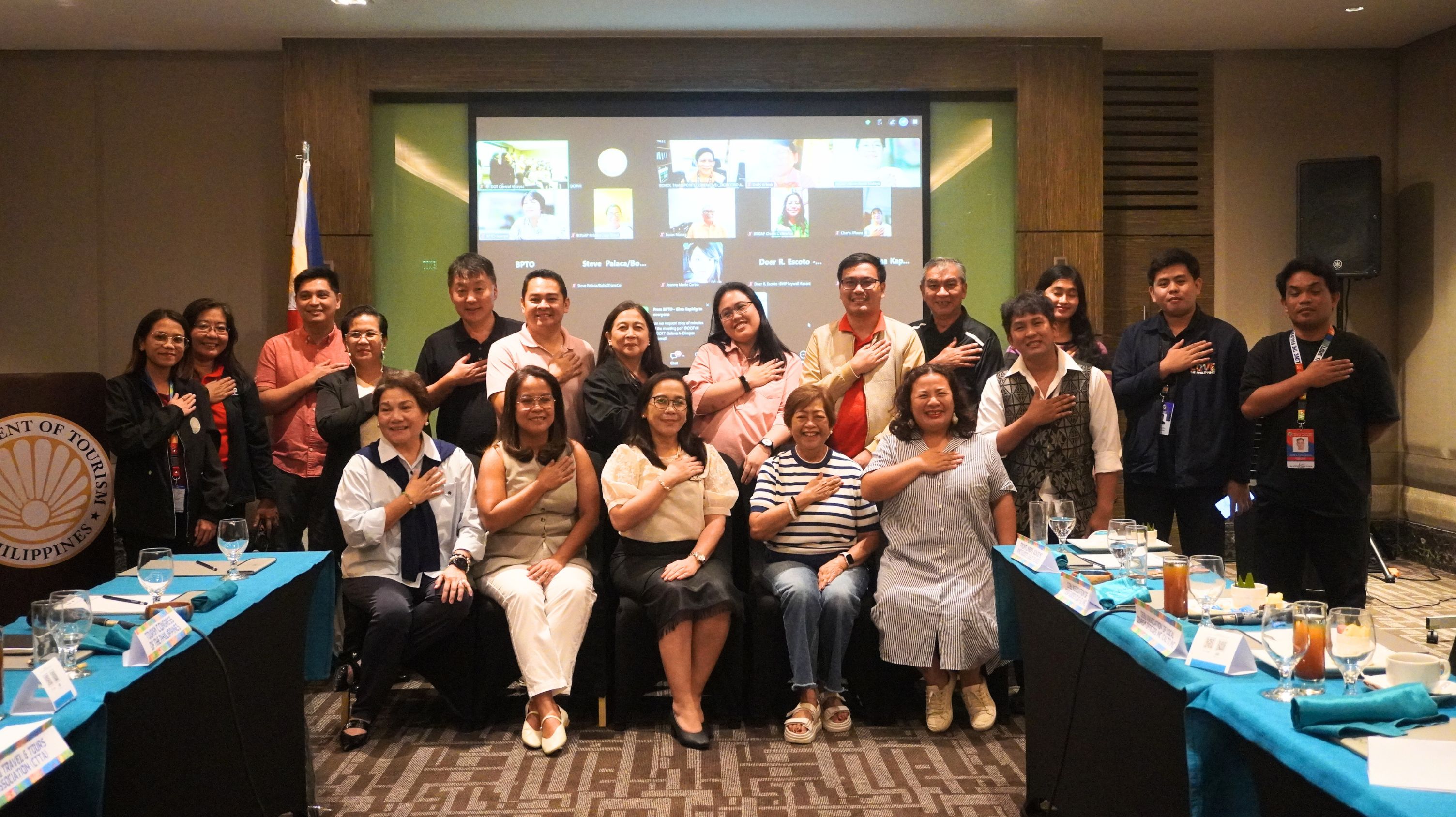
The tourism stakeholders of Central Visayas are adopting a measured and calibrated response to the Middle East disturbance, prioritizing the minimization of impact on livelihoods. The Department of Tourism-Central Visayas (DOT7) recently convened the first in a series of check-in conferences to harmonize the responses of various industry players to the ongoing challenge.

A general decline in tourist spending has been observed across sectors. Booking cancellations are beginning to affect transport providers, accommodation establishments, and tour guides. While some international routes continue to operate, including those of Qatar Airways which was earlier reported to have been discontinued, cancellations on some routes have been implemented, resulting in uncertainty in long-haul travel.
Bohol Tourism Office Head Joanne Pinat reported at the meeting that passage rates of the Cebu-Bohol ferry, island-hopping boat services and land transportation fares have increased. Mia Singson-Leon, President of the Hotels, Resorts and Restaurants Association of Cebu, Inc. (HRRACI) indicated that the association’s member-establishments are bracing for resort occupancy to hit only between 50% and 60%, while city hotels could see worse performance.
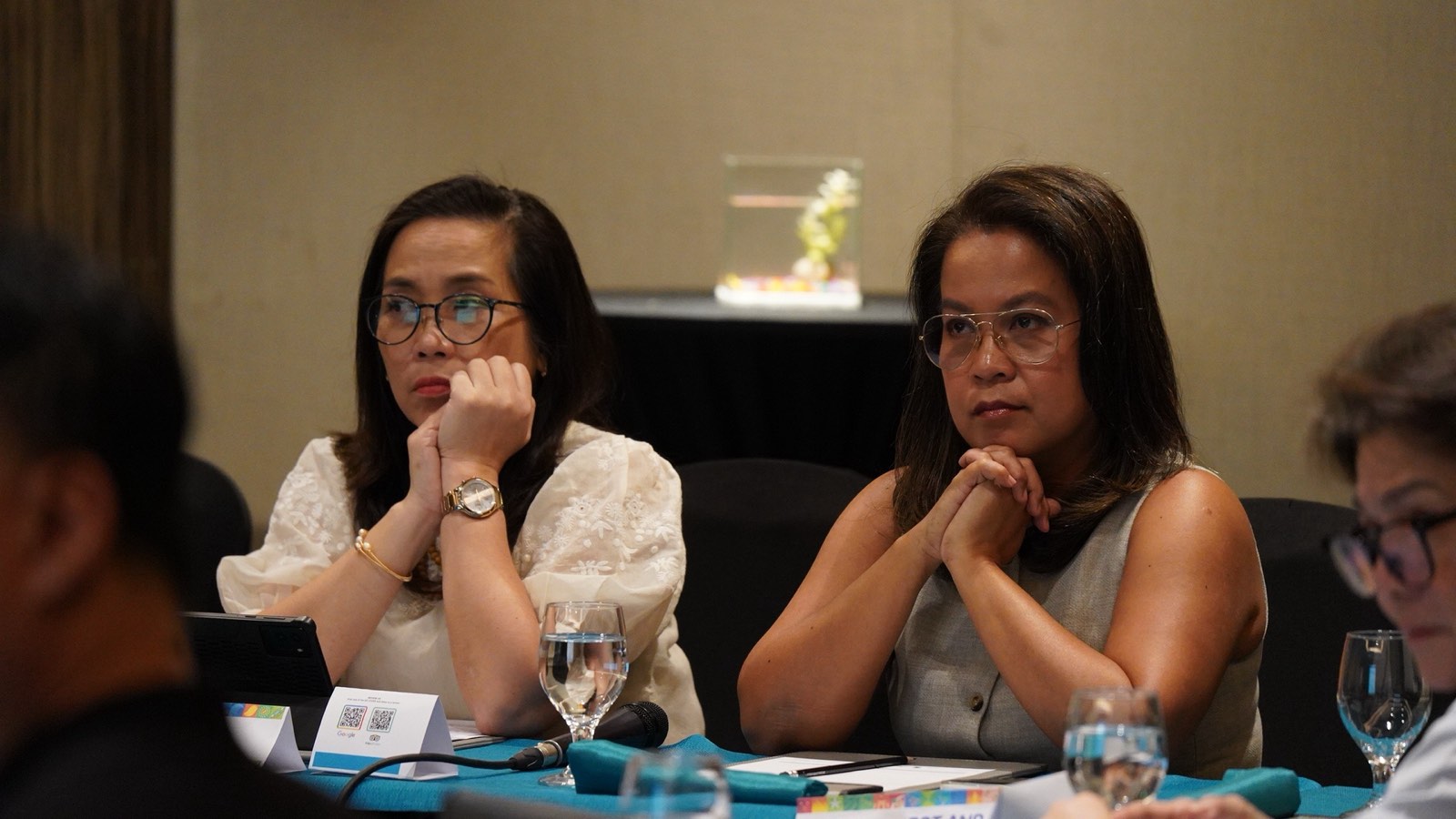
Recognizing the vulnerability of industry workers to the shift, the conference agreed that responses must look towards the preservation of livelihoods as the ultimate goal during this period.
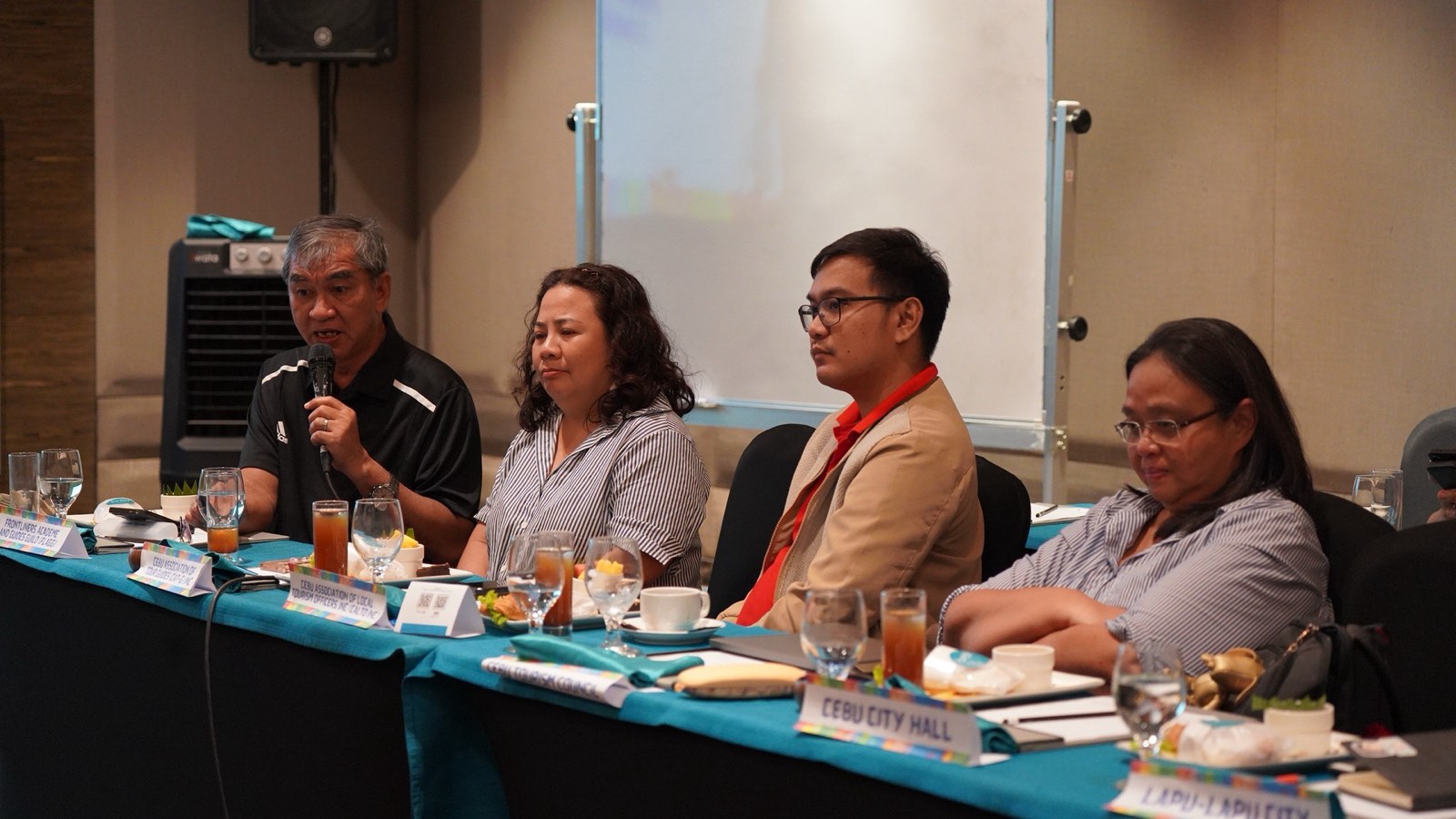
Julie Alegrado-Vergara, Co-Chairperson of the Cebu Provincial Tourism Council pledged to elevate to the provincial body the worker-first recommendation of the stakeholder meeting along with other actions proposed, including advancing a gastronomy circuit in northern Cebu, and encouraging longer stays in single destinations to reduce transport costs.

DOT7 and industry stakeholders will continue to collaborate with local governments, the Departments of Labor and Employment (DOLE), Social Welfare and Development (DSWD) and Trade and Industry (DTI) and the Technical and Skills Development Authority (TESDA) to help secure alternative jobs for affected tourism workers.
DOT7 OIC Regional Director Gelena Asis-Dimpas hailed the “proactive and compassionate stance” of local industry stakeholders. The coordinated and forward-looking response, she emphasized, underscores readiness to adapt, uphold alternative livelihoods, and sustain operations amid uncertainty.

“This initiative falls under the broad umbrella of the Central Visayas Tourism Coordination and Resilience (CV-CoRe) Network, formed to mitigate the impact of natural and man-made disasters, and aligns with the national government response to the Middle East conflict – UPLIFT (Unified Package for Livelihood, Industry, Food and Transport).” Dimpas says.
Other actions proposed by Central Visayas stakeholders include a strategic marketing pivot towards existing and new source markets in the Asia-Pacific region, like China, South Korea, Taiwan, Singapore, Malaysia, and the Philippines, sustaining representation in local and international exchange events, and recalibrating long-haul campaigns.
Initially, at least 22 resorts and hotels in Cebu have rolled out promotional rates of up to 50% off, alongside “workcation” and “staycation” packages for the domestic market and emerging international segments.
Industry representatives consider the projected slowdown as an opportunity for reskilling the workforce and promoting practical learning for students. Thus, expanded training under the Filipino Brand of Service Excellence program will continue.
Tourism officers from Cebu and the Provincial Tourism Office are set to convene soon to discuss the strengthening of the region’s resilience framework.