
The Department of Agriculture is closely monitoring developments in the Middle East following a US airstrike on Iran, warning that a prolonged escalation could quickly ripple through Philippine agriculture through higher fuel, fertilizer, and freight costs.
At the center of concern is the Strait of Hormuz, a narrow but critical waterway through which a significant portion of the world’s oil supply passes. Any disruption along this corridor has historically triggered spikes in global crude prices, tightening energy markets, and amplifying volatility across commodity supply chains.
“We are concerned about the intensifying conflict between the US and Iran as it might increase oil prices over an extended period.”
“We are concerned about the intensifying conflict between the US and Iran as it might increase oil prices over an extended period, affecting petroleum-based fertilizers, freight costs, and the fuel that powers the machinery our farmers use and the boats our fishermen rely on,” Agriculture Secretary Francisco Tiu Laurel Jr. said.
For an import dependent agricultural system like the Philippines, the transmission channels are immediate. Fertilizer inputs are closely tied to energy prices, particularly nitrogen-based products derived from natural gas. A sustained rally in oil prices would likely drive up farm input costs at a time when producers are striving to stabilize output and manage weather related risks.
Freight presents another pressure point. Higher bunker fuel costs can raise shipping rates, increasing the landed cost of imported commodities such as wheat and animal feed. This, in turn, feeds into retail prices of bread, poultry, and pork, complicating efforts to contain food inflation.
“We have seen this during past oil shocks, and we are now looking at ways to manage the impact on our food systems and on the country’s food security.”
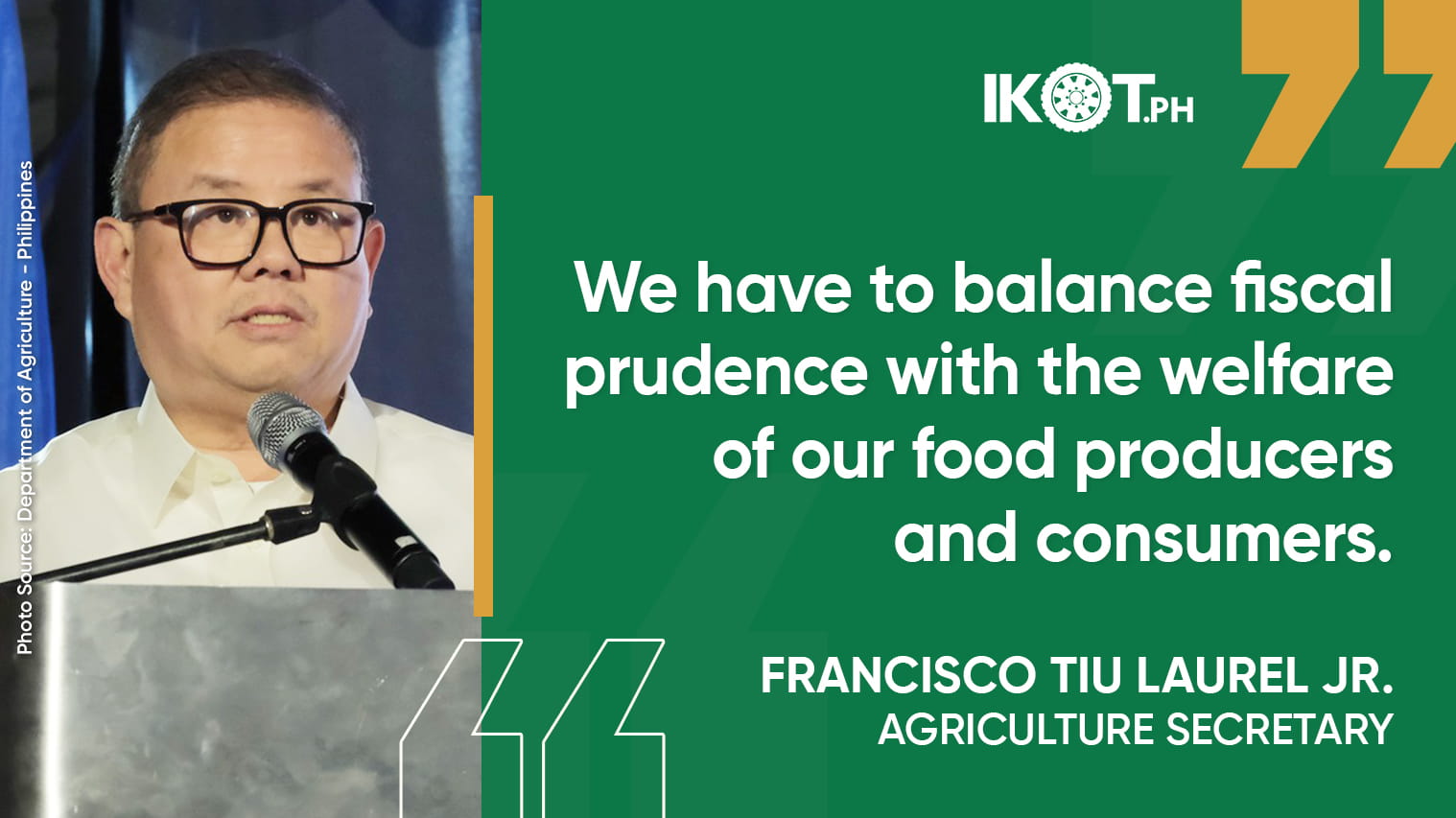
“We have seen this during past oil shocks, and we are now looking at ways to manage the impact on our food systems and on the country’s food security,” Tiu Laurel said. “We have to balance fiscal prudence with the welfare of our food producers and consumers.”
While markets have yet to fully price in a worst-case scenario, the DA’s vigilance underscores a broader reality: in an interconnected global food system, distant conflicts can swiftly reshape domestic cost structures and test supply chain resilience.