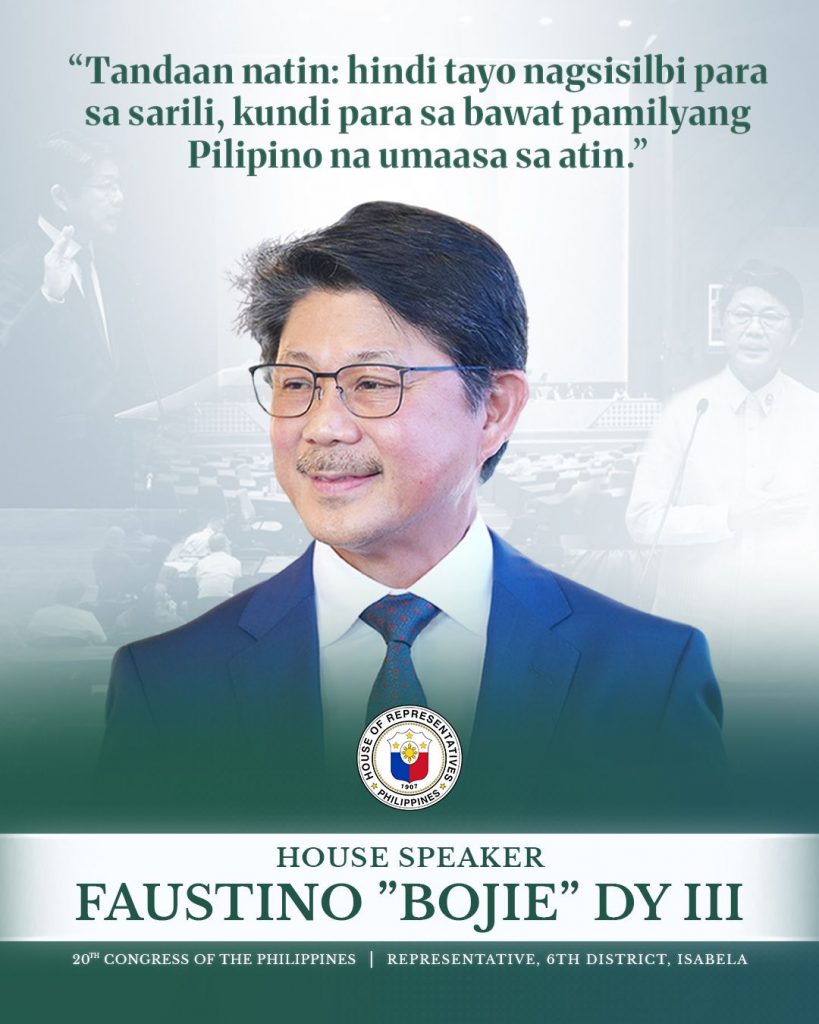
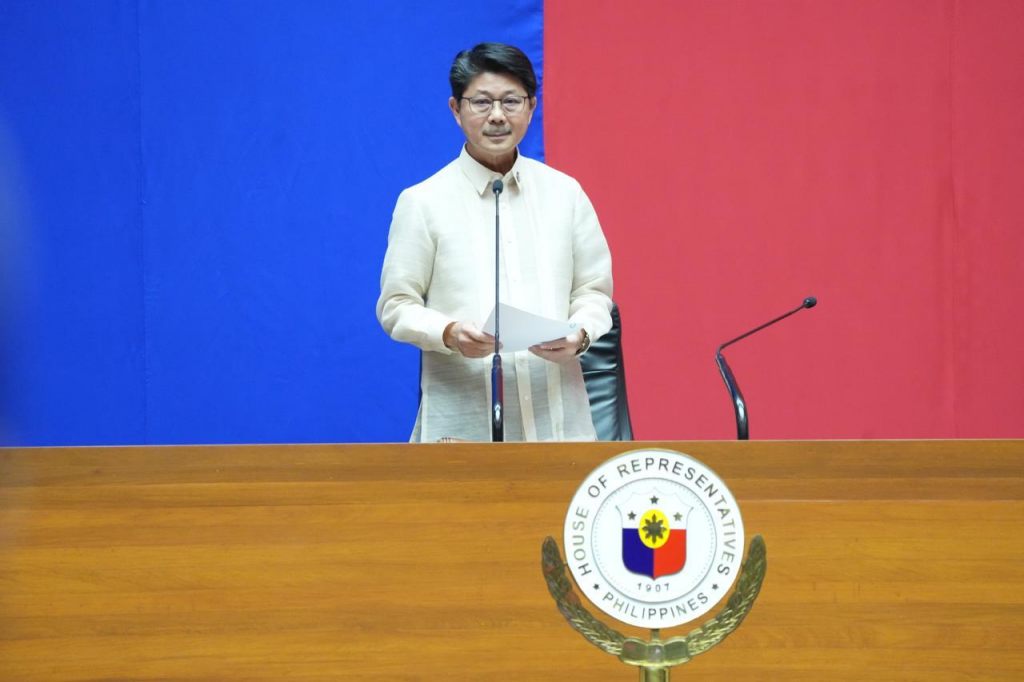
Speaker Faustino “Bojie” G. Dy III on Friday expressed support for reforms to the country’s party-list system, underscoring the need to strengthen its original mandate of providing a voice to marginalized sectors, particularly Filipino workers, in the House of Representatives.
Speaking at the celebration of the 50th anniversary of the Trade Union Congress of the Philippines (TUCP) in Cubao, Quezon City, Dy said empowering workers requires ensuring that democratic mechanisms meant to represent them function as intended.
According to Dy, calls for reform have grown as experts increasingly point out that the party-list system has drifted away from its constitutional purpose and no longer gives voice to truly marginalized sectors.
“At kung tunay nating nais na mas mapakinggan ang boses ng manggagawa, kailangan din nating tiyakin na ang mga mekanismong ginawa para sa inyo ay gumagana nang tama,” Dy told TUCP leaders and members.
“Dito po pumapasok ang isa pang mahalagang reporma na isinusulong ng ating Pangulo — ang pag-ayos ng ating party-list system,” he added.
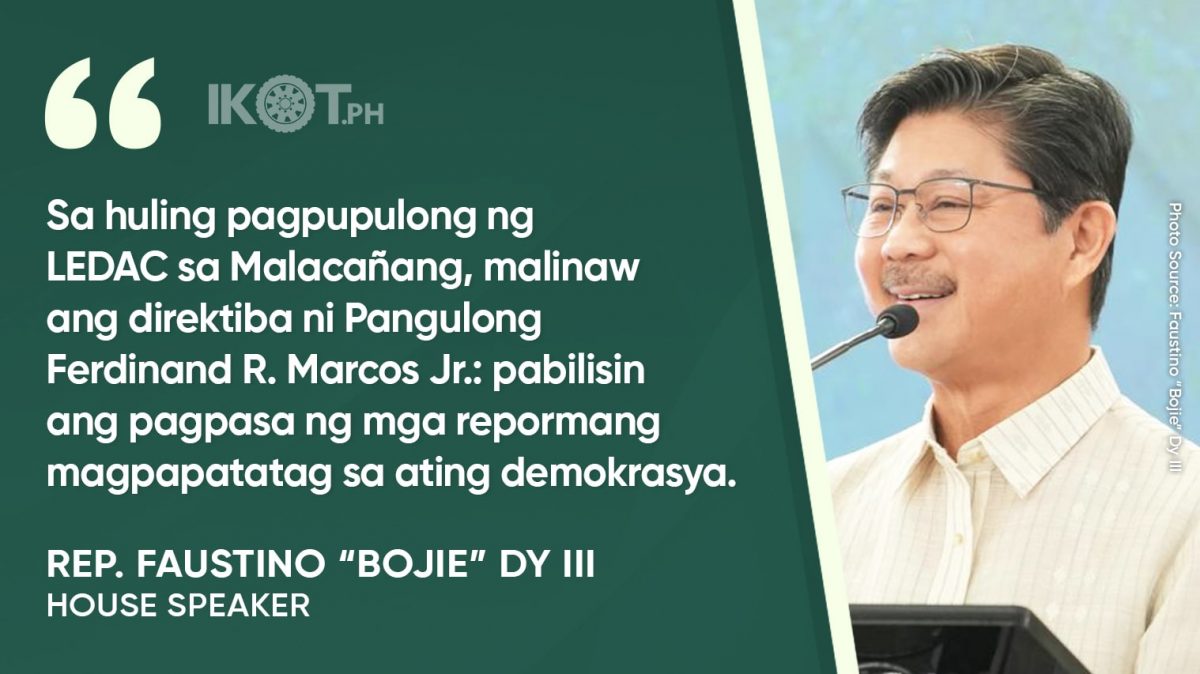
Dy said reforms to the party-list system form part of a broader effort to strengthen Philippine democracy, following clear policy directives from President Ferdinand R. Marcos Jr. stated during the recent meeting of the Legislative-Executive Development Advisory Council (LEDAC).
“Sa huling pagpupulong ng LEDAC sa Malacañang, malinaw ang direktiba ni Pangulong Ferdinand R. Marcos Jr.: pabilisin ang pagpasa ng mga repormang magpapatatag sa ating demokrasya.”
He noted that party-list reform is being advanced alongside other priority measures identified by the President, including the Anti-Political Dynasty Bill, the Independent People’s Commission Act, and the CADENA Act aimed at strengthening transparency and accountability in public finance.
According to Dy, calls for reform have grown as experts increasingly point out that the party-list system has drifted away from its constitutional purpose and no longer gives voice to truly marginalized sectors.
“Ang boses ng manggagawa ay dapat manggaling sa tunay na manggagawa — hindi sa mga makapangyarihang interes, hindi sa political clans.”
The Speaker emphasized that the objective is to restore a party-list system that remains faithful to the spirit of the law and is anchored on authentic sectoral representation.
“Kaya ang gusto po nating ibalik ay isang sistemang tapat sa diwa ng batas: representation that is real, authentic and sector-based,” Dy said.
Dy highlighted TUCP’s historic role as one of the pillars of the party-list system, describing the labor group as a living reminder of why the mechanism exists and why reform is necessary.
“Ang boses ng manggagawa ay dapat manggaling sa tunay na manggagawa — hindi sa mga makapangyarihang interes, hindi sa political clans, hindi sa mayayamang grupo na nais umangkin ng espasyo na hindi naman sa kanila,” he said.
TUCP is the country’s largest confederation of labor federations and has had representation in Congress through the party-list system, with Deputy Speaker Raymond Democrito Mendoza now serving as its representative in Congress.
As the House prepares for deliberations on party-list reform, Dy encouraged TUCP and other labor groups to actively engage in the process, stressing that their voice, experience and credibility are vital to shaping a system that truly serves Filipino workers.