
A lawmaking tandem is pushing for the establishment of a free weather index-based crop insurance (FIBCI) with an automatic payout system to better help small farmers during calamities due to climate change.
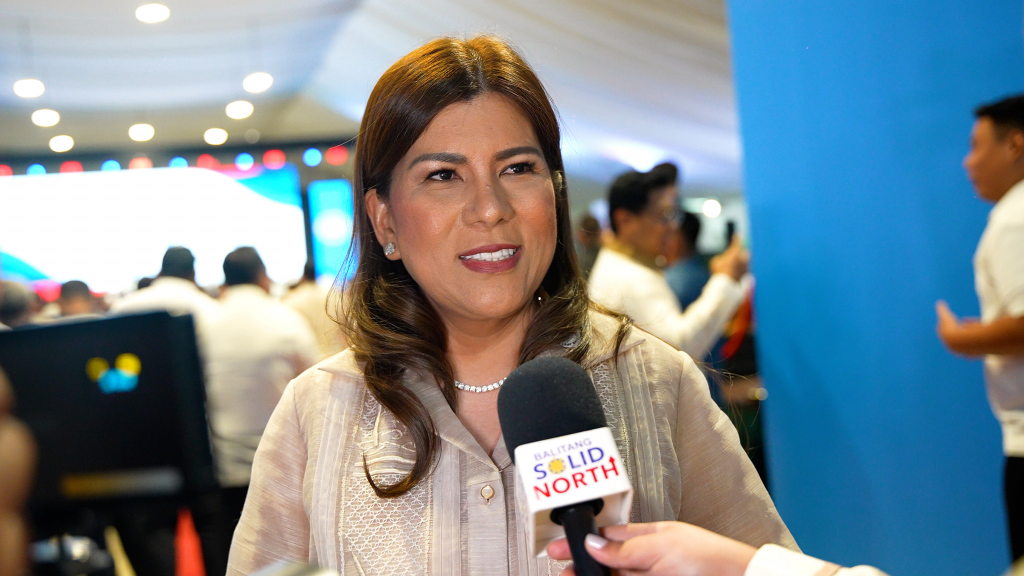
“House Bill No. 6519 or the Weather Ready Farmers bill seeks to establish a scientific payout system with an automatic payout mechanism based measurable parameters. Through this, we can ensure that our small farmers receive timely compensation, administrative delays are minimized, and there are no disputes over loss verification,” Solid North Party-list Rep. Ching Bernos said.
HB No. 6519 seeks to create a FIBCI Program overseen by the Insurance Commission with a P5.8 billion Premium Subsidy Fund.
The main beneficiaries shall be farmers and agriculture and fisheries producers or farmers’ cooperatives who shall register with their respective local government units for the crop or production insurance program offered by the LGU as a group policy through accredited insurance providers.
Under the bill, payouts shall be triggered when insurance parameters based on an agreed weather reference index such as, but not limited to, rainfall (mm), wind speed (kilometers per hour), and temperature (degrees) are breached.
LGUs may also set aside local funds to complement the premium subsidies provided by the national government, while farmers may also pay premiums for added insurance features offered by providers.
Under the bill, payouts shall be triggered when insurance parameters based on an agreed weather reference index such as, but not limited to, rainfall (mm), wind speed (kilometers per hour), and temperature (degrees) are breached.
Bernos said that since the payouts are weather index-based, the declaration of a state of calamity by LGUs is no longer required to trigger the obligation of insurers to farmers/producers.
A FIBCI Oversight Board shall also be formed, which will convene at least twice a year to monitor and oversee the operation of the FIBCI program and the administration of all index-based agriculture insurance in the country.
The board shall be composed of the heads of the: Insurance Commission (as chairman); departments of agriculture and interior and local government; Cooperatives Development Authority; National Disaster Risk Reduction and Management Council; Philippine Atmospheric, Geophysical and Astronomical Services Administration (PAGASA); DOST-Advance Science and Technology Institute; three farmers representing farmer organizations/cooperative federations from Luzon, Visayas, and Mindanao (to be appointed by the President); and three representatives from the insurance industry, including the Philippine Crop Insurance Corp. and two from the private sector.
Abra lone district Rep. JB Bernos emphasized the need to shift away from the tedious and costly processes of the traditional crop insurance system.
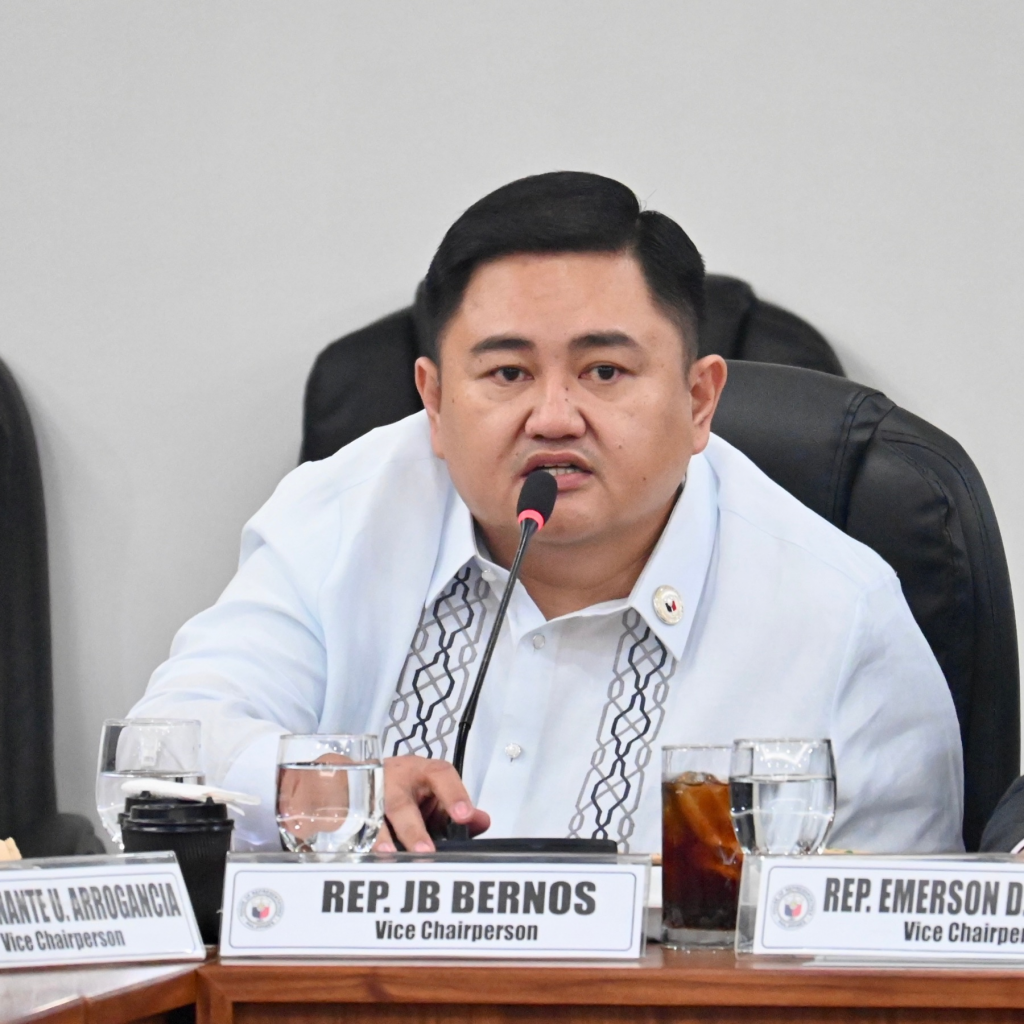
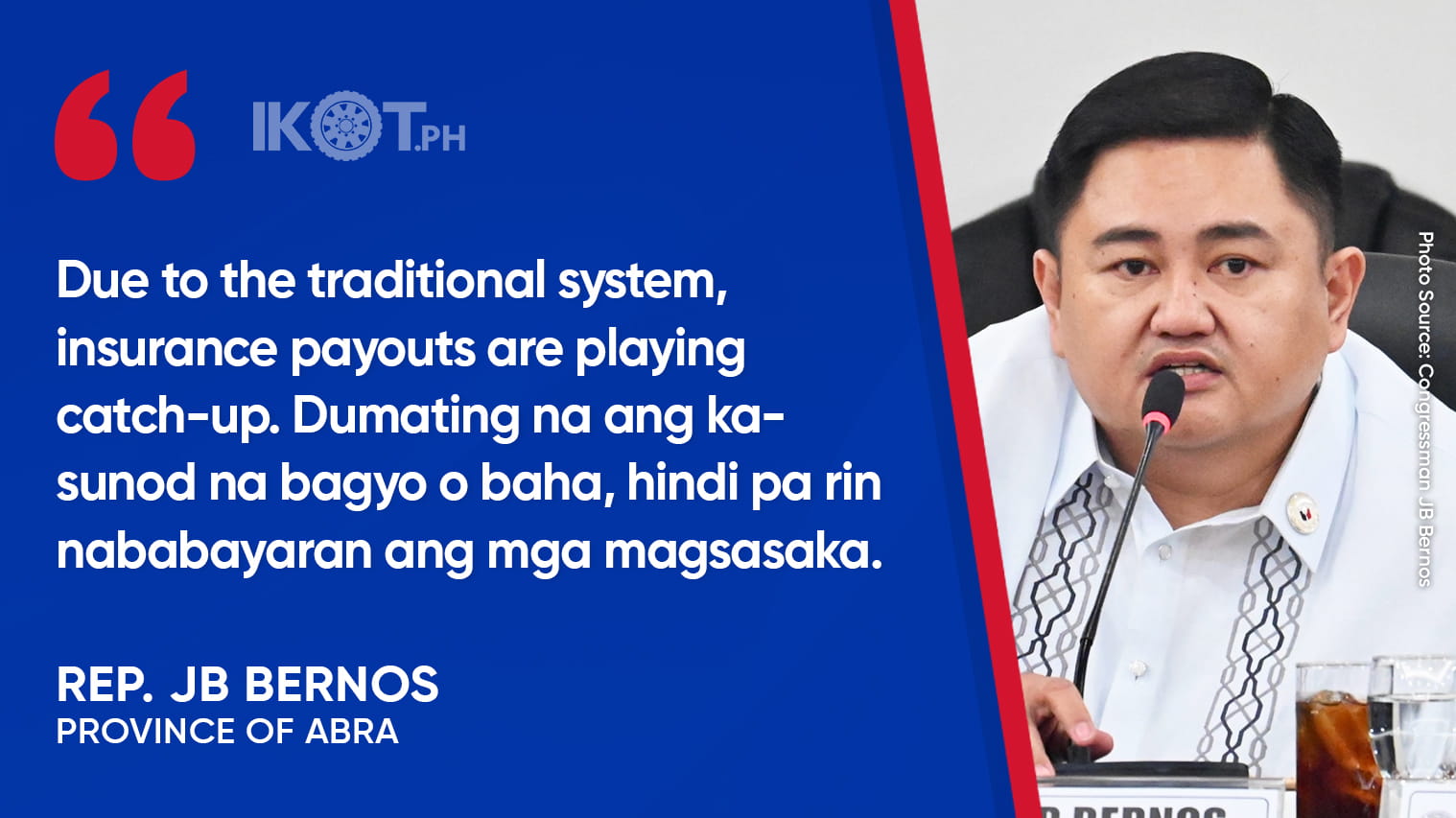
“Due to the traditional system, insurance payouts are playing catch-up. Dumating na ang kasunod na bagyo o baha, hindi pa rin nababayaran ang mga magsasaka. Kailangan nating baguhin ang sistema para mas mabilis tayong makapag-responde sa pangangailangan ng ating mga magsasaka,” he said.
He reminded that failure to help farmers and food producers recover from each calamity affects the whole country’s food security.