The National Council on Disability Affairs (NCDA) welcomed and affirmed the concerns raised by Senator Bong Go regarding the implementation of the Unified Persons with Disabilities Identification System (UPWDIS), assuring the public that simplifying procedures and reducing unnecessary requirements are core priorities as the system is implemented nationwide.
Go recently urged authorities to streamline UPWDIS implementation, emphasizing that persons with permanent disabilities should not be made to undergo repeated medical examinations or submit redundant documentation just to prove their status.
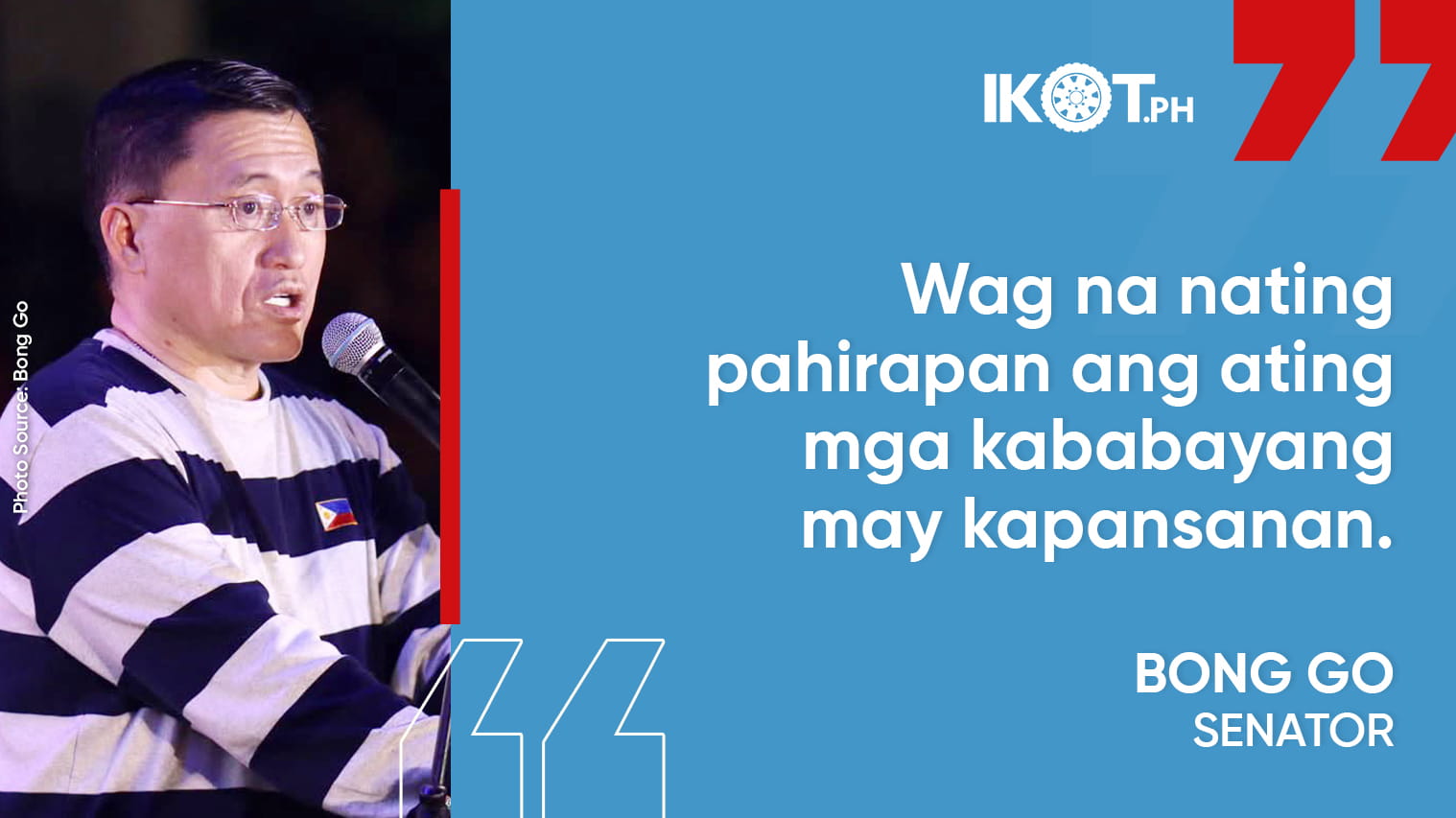
“’Wag na nating pahirapan ang ating mga kababayang may kapansanan. Marami na silang pinagdadaanang hamon sa araw-araw. Kung permanente naman ang kanilang kondisyon at may sapat nang dokumento, hindi na dapat paulit-ulit na pinapabalik sa mga opisina at pinapagastos para lamang mapatunayan ang kanilang kapansanan,” the veteran legislator said.
“Ang mga tunay na PWD ang dapat unang makinabang sa pagbabagong ito.”
“Suportado natin ang digitalization para mas mabilis, maayos, at ligtas ang pagbibigay ng serbisyo. Pero siguraduhin natin na ang sistema ay madaling gamitin at hindi magiging dagdag na pasanin. Ang mga tunay na PWD ang dapat unang makinabang sa pagbabagong ito,” the seasoned lawmaker added.
NCDA noted that the senator’s call aligns with the very purpose of UPWDIS, which aims to consolidate PWD records into a secure national database, prevent the use of fraudulent identification cards, and improve access to government-mandated benefits.
In response to the concerns raised, NCDA confirms the following measures will be enforced in the implementation of UPWDIS:
No repeated medical examinations for permanent disabilities. Once a permanent disability is recorded in the national database, PWDs will no longer be required to submit updated medical certificates or undergo re-evaluation for registration purposes.
Recognition of existing valid PWD IDs. Valid PWD identification cards issued by LGUs prior to UPWDIS will be recognized and credited during the transition period of three (3) years to avoid duplication of effort and cost.
Simplified registration process. The digital system is being designed to minimize data entry and document uploads; basic details from existing records will be pre-filled where available.
Onsite registration for GIDA communities. To ensure that PWDs in Geographically Isolated and Disadvantaged Areas (GIDA) are not left behind, NCDA — in coordination with partner agencies and LGUs — will conduct regular
Mobile and onsite registration missions in remote and hard-to-reach communities. PWDs in these areas do not need to travel to municipal centers; registration assistance will be brought directly to them.
Accessible registration channels. Aside from online access and onsite missions in GIDA areas, NCDA will maintain physical registration assistance desks at LGU offices for PWDs who have limited or no access to digital platforms.
Continuous monitoring and feedback mechanism. NCDA and LGUs will establish a dedicated feedback channel to identify bottlenecks and procedural burdens, ensuring the system remains responsive to PWDs’ actual needs.
“We will work closely with partner agencies and LGUs to ensure that registration is simple, accessible, and free from unnecessary costs or delays.”
“We fully share Senator Go’s sentiment, digitalization should make life easier, not more difficult, for our PWDs. The purpose of the UPWDIS is precisely to eliminate the need for repeated submission of the same documents across different offices. A permanent disability means permanent recognition — our system will reflect that. We will work closely with partner agencies and LGUs to ensure that registration is simple, accessible, and free from unnecessary costs or delays,” NCDA stated.
“We call on all Persons with Disability Affairs Offices (PDAOs) nationwide, in coordination with their respective local government units and barangay officials, to take a proactive role in reaching out to persons with disabilities within their communities and facilitating their registration under the Unified Persons with Disability Identification System (UPWDIS). The responsibility for ensuring accessible and convenient registration should not rest solely on persons with disabilities. Rather, PDAOs should bring registration assistance and related services closer to them, minimizing the need for repeated visits to government offices, unnecessary documentary requirements, and other burdensome procedures. We likewise call on all implementing partners to ensure that the process remains compassionate, inclusive, accessible, and responsive to the needs and circumstances of persons with disabilities, while welcoming the continued oversight and support of our legislators,” the statement added.