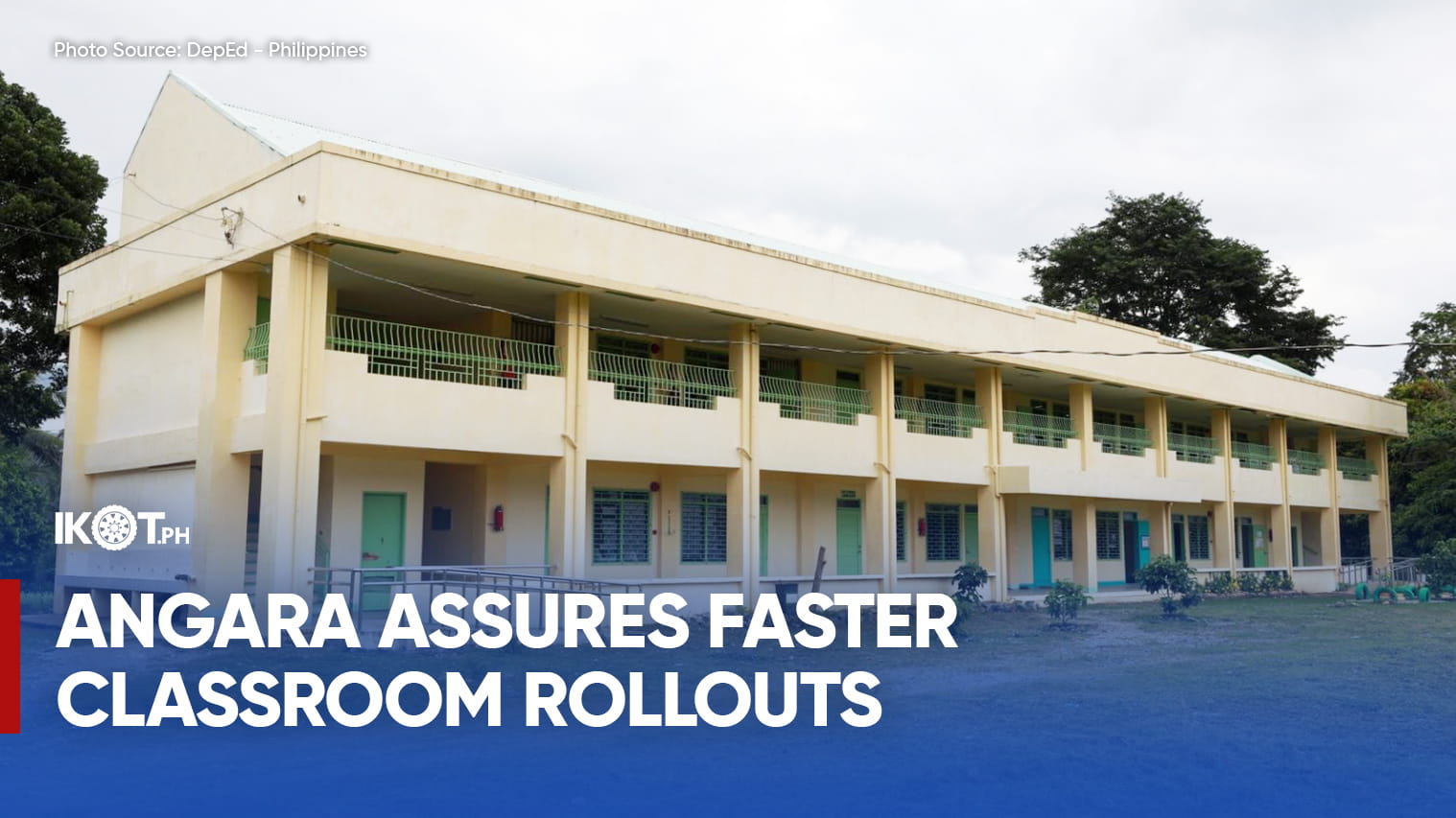
Education Secretary Sonny Angara assured the public that the Department of Education (DepEd) is deploying a needs-based, multi-channel strategy to speed up classroom construction and repairs across the country.
Angara said DepEd is pairing quick-deploy building designs with wider partnerships among local government units (LGUs), the Department of Public Works and Highways (DPWH), and the private sector to clear the nation’s classroom backlog.
“We share the frustration of parents, teachers, and communities waiting for classrooms to be built. Site titling issues, long procurement cycles, and administrative red tape have delayed us for too long. To fix this, we are streamlining our inter-agency operations and accelerating a multi-channel rollout to get safe, modern learning spaces to our learners much faster,” Angara said.
To resolve verified delays stemming from un-titled lands, site preparation challenges, and tedious procurement steps, DepEd has established joint site-validation teams with local government units (LGUs) and streamlined documentation rules to ensure sites are fully build-ready before procurement starts.
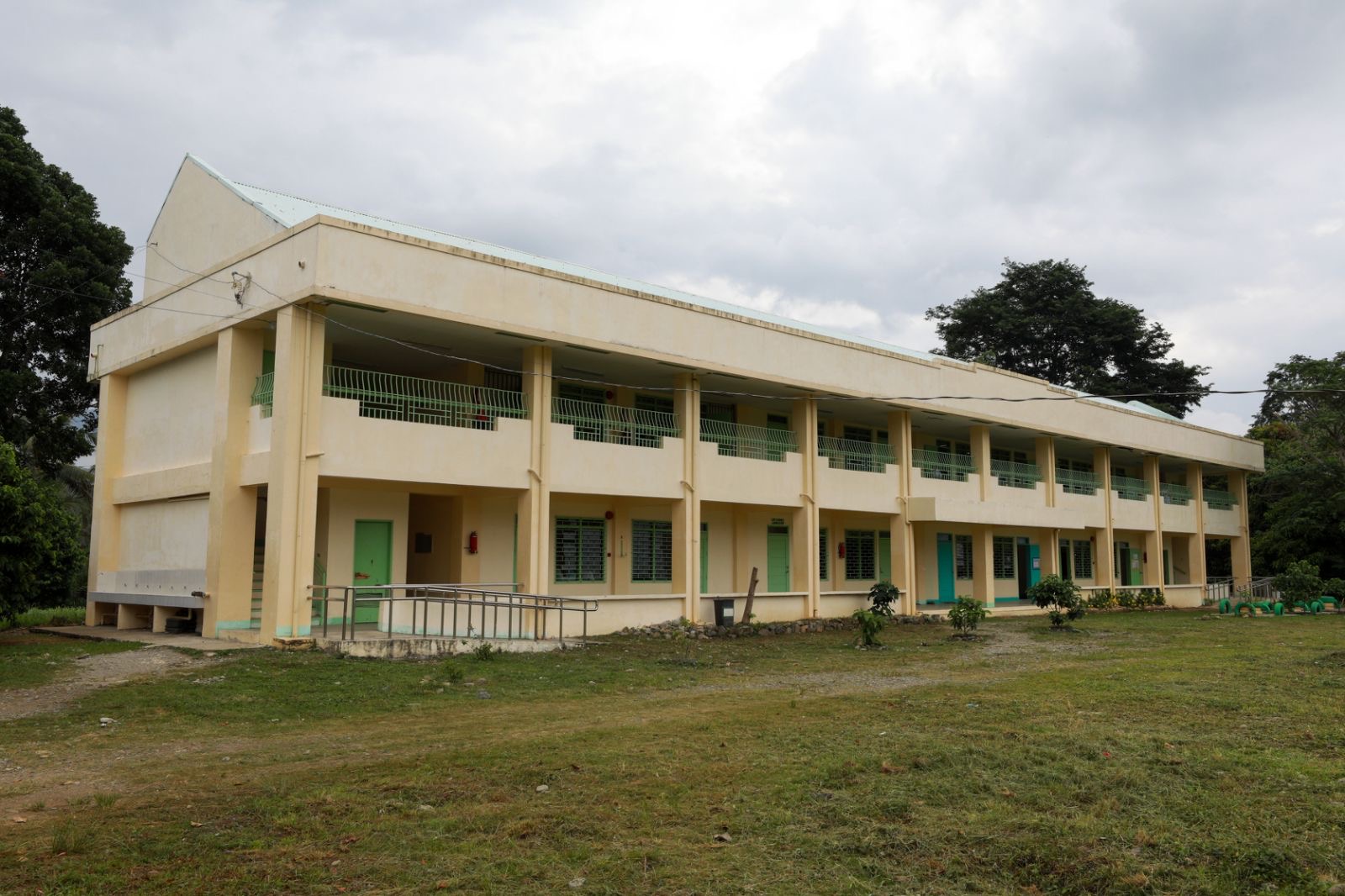
To deliver learning spaces faster than conventional concrete construction allows, DepEd has prioritized prefabricated Learning Continuity Spaces (LCS) to ease severe overcrowding and aid disaster-hit areas.
Out of a ₱3.5 billion allocation for 1,622 LCS units under the FY 2026 General Appropriations Act (GAA), 1,007 units have been programmed for implementation. Of these programmed units, 531 LCS units have been completed, 323 are under construction, and 36 are in procurement. These completed units refer exclusively to Learning Continuity Spaces implemented directly by DepEd and are not covered by any partnership with other implementing entities.
“Every peso in our infrastructure budget has a clear mission and delivery timeline.”
Angara explained that DepEd is expanding its delivery channels alongside DPWH to speed up construction nationwide.
Under the FY 2026 Basic Education Facilities Fund (BEFF) New Construction program, a ₱58.43-billion allocation covers 16,498 classrooms, which includes 10,498 classrooms to be constructed in partnership with local government units (LGUs) and 6,000 classrooms to be constructed in partnership with the DPWH. To date, 488 LGUs have signed Memorandums of Agreement to implement these builds, with the DepEd Central Office and Schools Division Offices (SDOs) actively assisting LGUs in the validation and procurement stages through close coordination on the ground.
To support remote and vulnerable communities, 515 Last Mile Schools classrooms backed by a ₱3 billion allocation are undergoing various procurement stages.

DepEd is also acquiring existing, ready-built school properties to shorten delivery timelines, with 54 classrooms in Laguna and Cavite backed by a ₱118 million allotment. These properties are acquired in compliance with the Accelerated And Reform Right-of-Way (ARROW) Act and now in their final stages.
To make a direct impact on the estimated shortage of around 141,000 classrooms as of November 2026, DepEd is pushing for deeper private sector integration.
DepEd is advancing the procurement for the ₱105 billion Public-Private Partnership for School Infrastructure Project (PSIP) Phase III program to leverage private capital and construction expertise for building more than 16,000 classrooms.
DepEd also fully supports the proposed Classroom Acceleration Program (CAP) Act to institutionalize LGU and civil society participation under a validated master plan, standardized costing, clear responsibilities, and strict engineering and accountability standards.
While these construction and acquisition efforts are under way, DepEd is leasing ready-to-use buildings near heavily congested schools so learners do not have to wait for new classrooms to be finished. As of November 2026, DepEd has awarded 183 classrooms in eight sites: Pila, Laguna; Baliwag City, Bulacan; Angeles City, Pampanga; Marikina City; Navotas City; San Juan City; and two sites in Manila. Up to 155 more classrooms remain under processing this year pursuant to the New Government Procurement Act (NGPA).
“Every peso in our infrastructure budget has a clear mission and delivery timeline. Whether through quick-deploy LCS, LGU partnerships, DPWH builds, or upcoming PPP frameworks, our goal is straightforward: close the classroom gap and put safe, modern classrooms within reach of every Filipino child,” Angara added.