
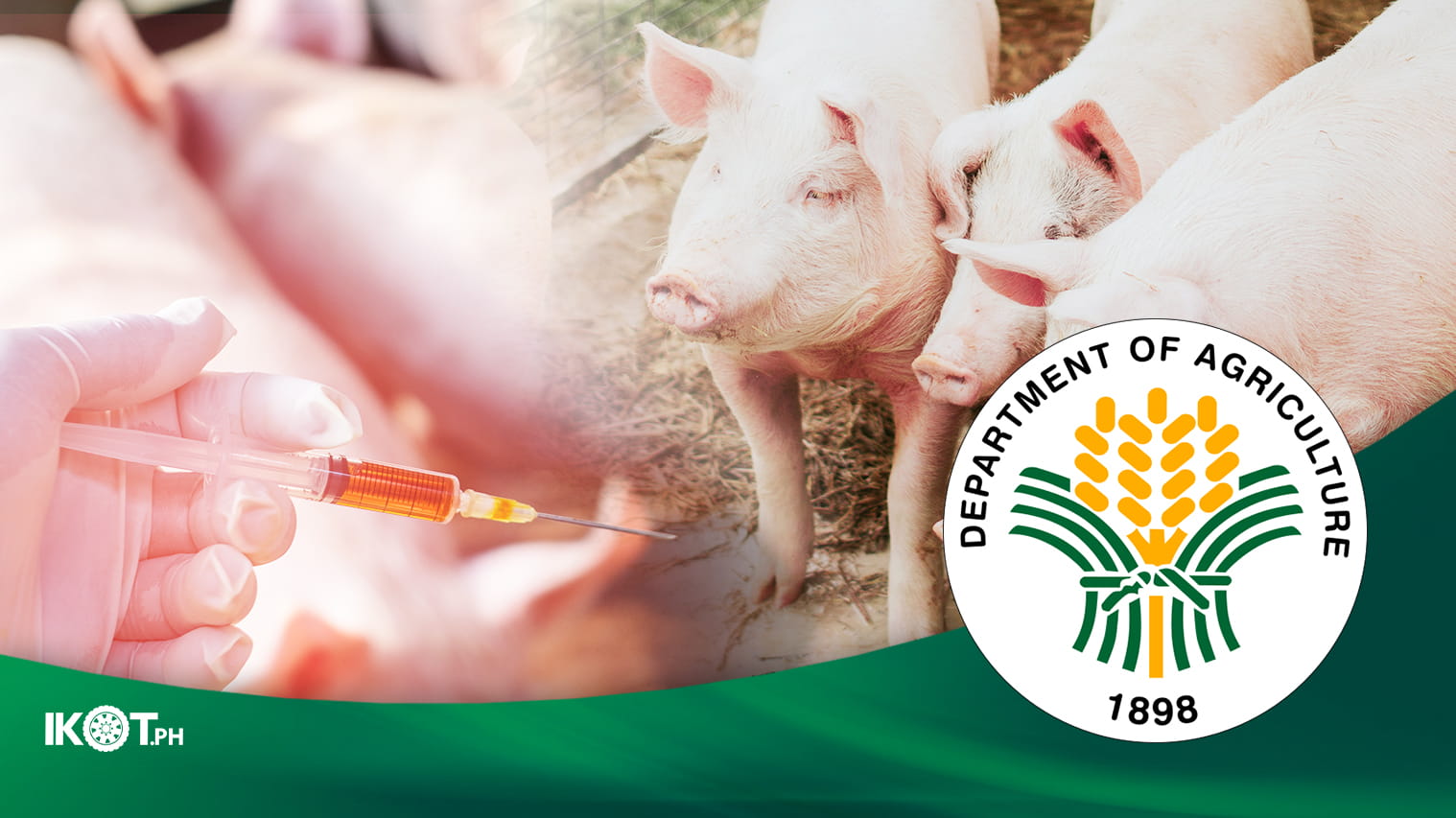
The Department of Agriculture (DA) has launched a major effort to develop locally produced animal vaccines, betting on homegrown science to protect the livestock industry from devastating disease outbreaks and strengthen the country’s food security.
Agriculture Secretary Francisco Tiu Laurel Jr. led the signing of an agreement establishing the Animal Vaccine Development Program (AVDP), a collaboration among the DA-National Livestock Program, the Bureau of Animal Industry (BAI), the Philippine Carabao Center (PCC), and Central Luzon State University (CLSU).
Backed by a total investment of P140.9 million over three years, the program aims to develop vaccines against some of the livestock sector’s most destructive diseases, including African Swine Fever (ASF) and foot-and-mouth disease (FMD) while strengthening the country’s capacity for animal health research and innovation.
The funding includes P77.6 million in 2026, P30.6 million in 2027, and P32.7 million in 2028.
The move comes as the swine industry continues to recover from ASF which has decimated hog populations and inflicted billions of pesos in losses since its arrival in the country.
The poultry sector has also suffered recurring outbreaks of avian influenza, resulting in the culling of millions of birds and periodic supply disruptions.
“Investing in science, research, and innovation is critical to protecting livelihoods, strengthening our food systems, and building a more resilient future for the livestock sector.”
“Investing in science, research, and innovation is critical to protecting livelihoods, strengthening our food systems, and building a more resilient future for the livestock sector,” Tiu Laurel said.
The agriculture chief said vaccines developed in the Philippines could offer a key advantage over imported products because they can be tailored to local pathogen strains, potentially improving their effectiveness in preventing outbreaks.
Researchers under the program will focus initially on vaccine candidates for ASF and FMD. Although the Philippines remains free of foot-and-mouth disease, outbreaks in neighboring countries continue to threaten the livestock sector and highlight the need for stronger preventive measures.
A centerpiece of the initiative is the planned establishment of a Biosafety Level 3 facility which will allow scientists to safely handle high-risk animal pathogens and accelerate vaccine development. The laboratory will also support advanced research, technical training, and disease preparedness efforts.
The program marks a strategic shift from managing outbreaks to building long-term protection against them. Livestock diseases have repeatedly undermined production, discouraged investment, and pushed up meat prices.
“The program demonstrates how collaboration, shared expertise, and collective action can help generate solutions that benefit farmers, industry stakeholders, and communities across the country.”
Tiu Laurel said the program “demonstrates how collaboration, shared expertise, and collective action can help generate solutions that benefit farmers, industry stakeholders, and communities across the country.”
By investing in local vaccine development, the government hopes to strengthen disease defenses, restore industry confidence, and reduce the economic damage caused by future outbreaks.
For a sector that has spent years battling costly animal diseases, the initiative represents a significant step toward greater self-reliance and resilience.