
The Department of Agriculture (DA) is tightening its campaign against counterfeit, unregistered, adulterated, and illegally manufactured farm inputs, with Agriculture Secretary Francisco Tiu Laurel Jr. ordering tougher market surveillance and enforcement by the Fertilizer and Pesticide Authority (FPA).
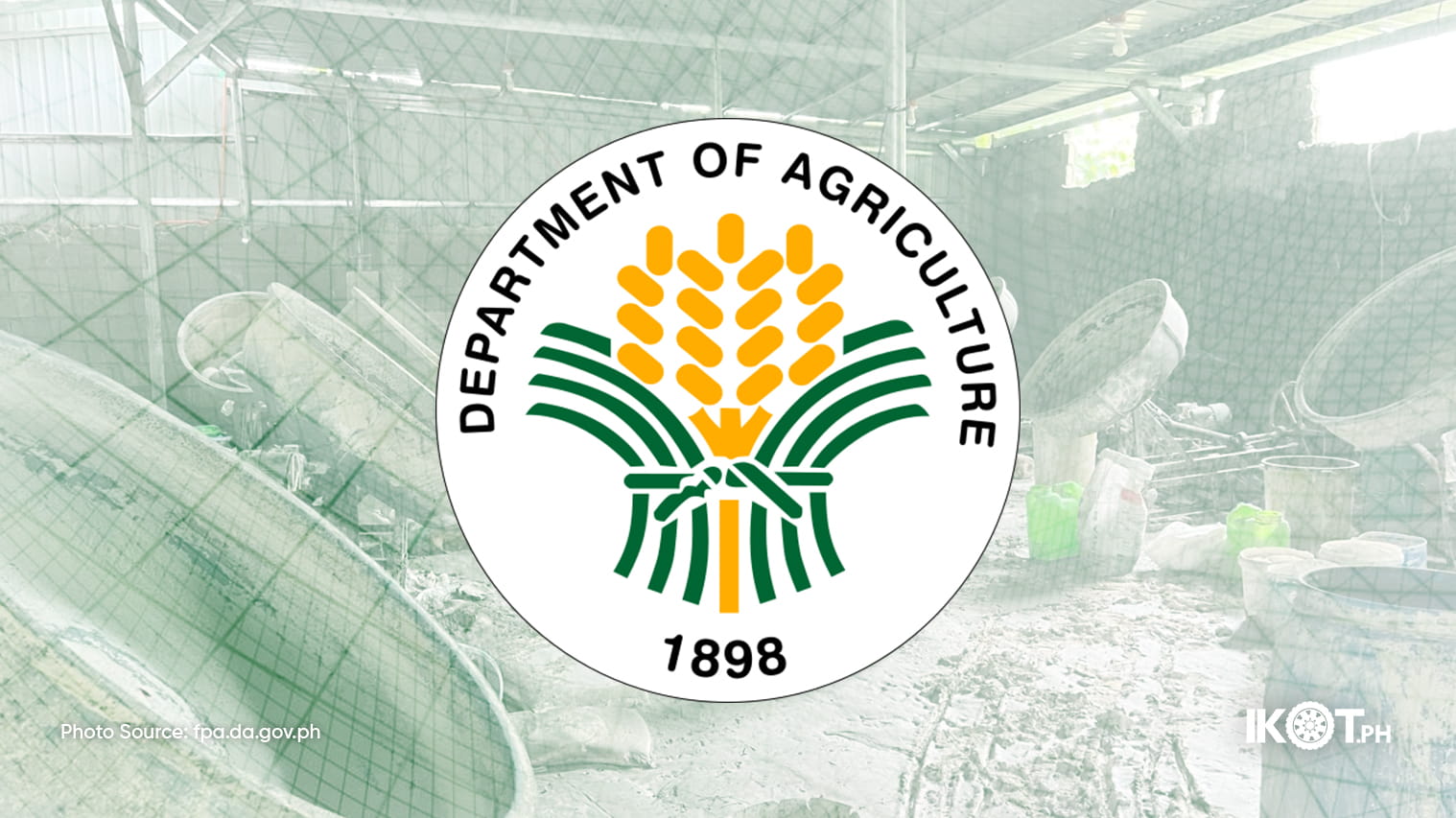
Earlier, a team of FPA and Police Provincial Office, Talavera and Rizal Police, raided a facility where authorities found hundreds of bags of fertilizer products allegedly stored or manufactured without proper registration.
The order highlighted the government’s effort to keep questionable farm inputs out of the market, protect farmers from potentially costly losses, and ensure that legitimate manufacturers and dealers are not undercut by operators who bypass regulatory requirements.
When fake or substandard products are sold to them, it is not just their money that is lost.”
“Fertilizer is an investment for our farmers. When fake or substandard products are sold to them, it is not just their money that is lost. Their harvest and livelihood are at stake,” Tiu Laurel explained.
The agriculture chief told the FPA to widen its market watch, including online marketplaces and physical stores, while pursuing those allegedly involved in producing or distributing illegal agricultural inputs.
“We will protect our farmers and legitimate businesses.”
“We will protect our farmers and legitimate businesses. We are directing the FPA to intensify market surveillance and enforcement against counterfeit, unregistered, adulterated, and illegally manufactured agricultural inputs,” the agriculture head said.
FPA Executive Director Glenn Estrada said the agency would continue going after products that threaten farm productivity and legitimate businesses.
“We are serious in our campaign against the proliferation of these adulterated and unregistered products that hurt not only legitimate businesses but also our farmers and overall farm productivity,” Estrada said.
The case began with a July 15 entrapment operation by the Philippine National Police-Talavera Municipal Police Station, with technical assistance from FPA Regional Field Unit III, following a complaint from ROVA Manufacturing involving the alleged sale of counterfeit fertilizer products.
The operation subsequently led authorities to a suspected unregistered warehouse and manufacturing facility in Barangay Sta. Monica, Rizal, where they found and inventoried additional fertilizer products.
Authorities documented 260 bags during the Talavera operation and another 518 bags at the Sta. Monica facility, putting the total at least 778 bags across the two sites with a total value of Php 748,150.00.
At the Sta. Monica facility, authorities recorded 74 bags of ROVA Carlly Grow, 113 bags of PLANTA, and 331 bags of King Harvest. All reportedly bore the same FPA Registration No. 1-1LF-9147.
The FPA issued Stop Sale, Stop Use, Stop Move, and Hold orders covering the products as the investigation and related legal and administrative proceedings move forward.
The agency is expected to strengthen intelligence-led inspections, monitor digital sales channels more closely, and work with the Philippine National Police, National Bureau of Investigation, and local governments to identify and shut down illicit operations.
The broader enforcement push comes as the agriculture sector seeks to improve productivity while keeping input markets reliable. For farmers, the risk is not merely paying for a questionable product. An ineffective or improperly manufactured fertilizer can waste scarce capital, disrupt production, and ultimately hurt yields.
For legitimate companies, meanwhile, enforcement helps level the playing field by ensuring that registered products compete against other compliant products, rather than against cheaper inputs made or sold outside the rules.
The DA stressed that the case remains subject to investigation and due process, with responsibility to be determined through the appropriate legal and administrative proceedings.
The objective is clear. Keep suspect inputs off farms, protect compliant businesses, and safeguard the productivity that underpins the country’s food supply.