
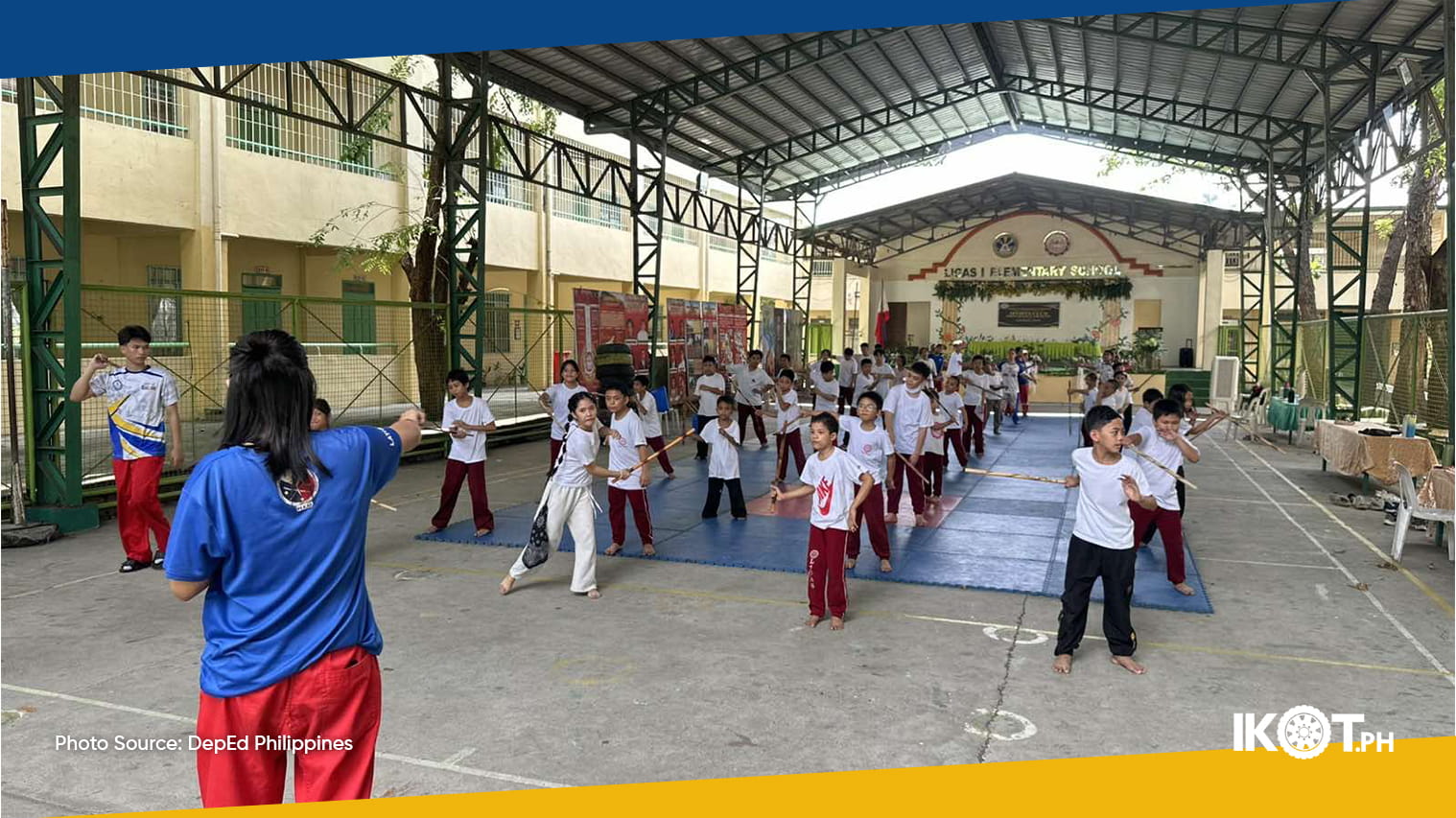
To channel learners’ energy into positive personal development and discipline, Department of Education (DepEd) officials assessed grassroots sports training at Ligas I Elementary School on Tuesday.
The visit focused on the school’s arnis club, highlighting the national martial art as a key component of DepEd’s nationwide push to expand school-based sports clubs into positive, structured outlets for youth energy, character building, and physical health.
Education Secretary Sonny Angara emphasized that sports programs provide essential structure, life skills, and a strong sense of community for learners.
Latest data shows that 31,471 public schools have registered a total of 151,748 School Sports Clubs (SSCs) covering 24 distinct sports.
“Sports give our young people a productive, structured outlet where they learn discipline, emotional resilience, and mutual respect,” Angara said. “When we provide learners with safe, positive channels for their energy, we build supportive learning communities and give them the tools to navigate challenges, focus on their studies, and thrive both physically and mentally.”
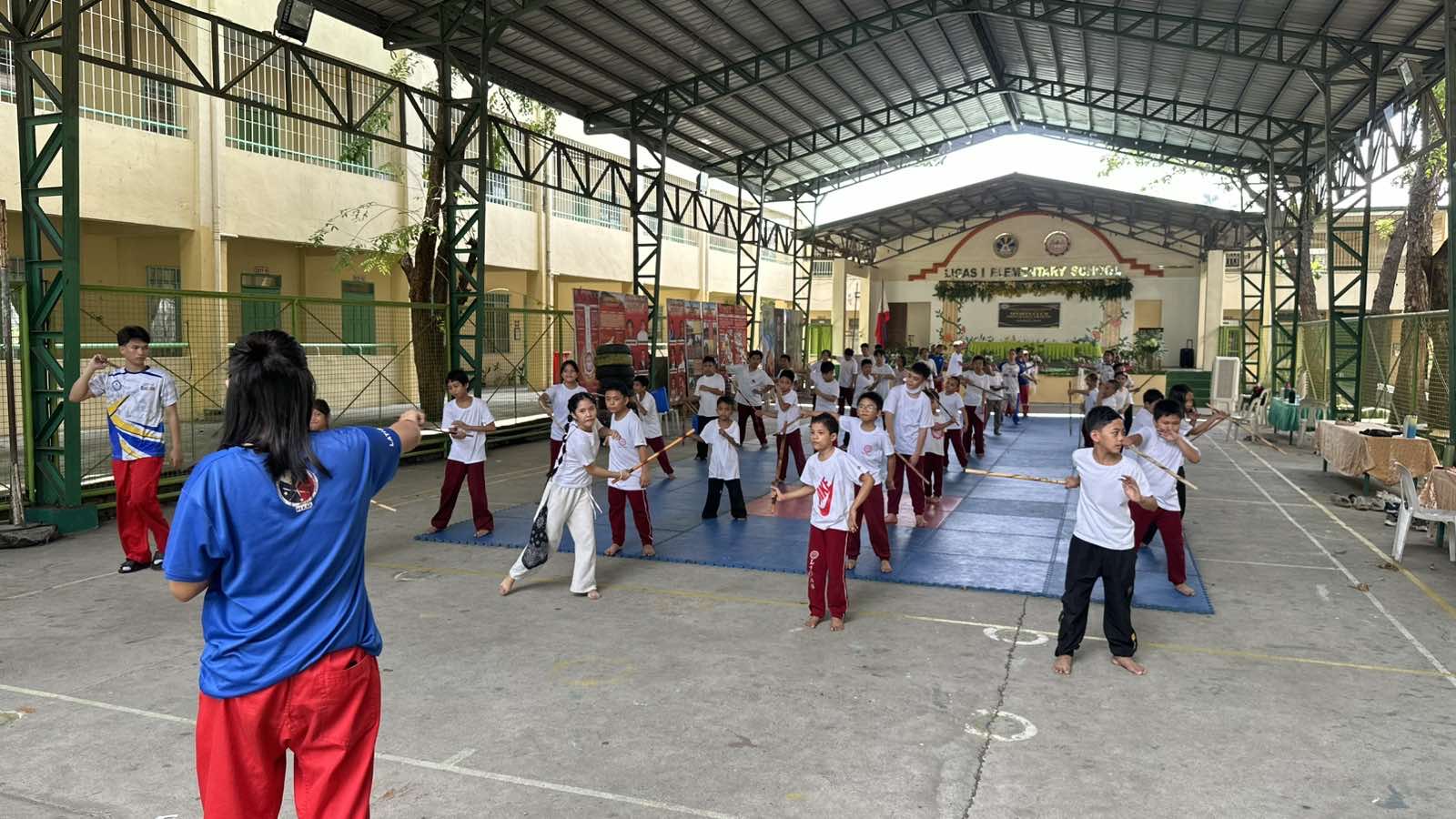
The review forms part of DepEd’s campaign under DepEd Order No. 22, series of 2025, which mandates establishing sports clubs across all public elementary and secondary schools, Community Learning Centers, and Inclusive Learning Resource Centers nationwide.
Latest data shows that 31,471 public schools have registered a total of 151,748 School Sports Clubs (SSCs) covering 24 distinct sports. The top disciplines include athletics offered in 23,747 schools, badminton in 21,795 schools, chess in 19,207 schools, volleyball in 16,931 schools, basketball in 13,559 schools, table tennis in 8,196 schools, sepak takraw in 7,663 schools, and arnis offered in 6,182 schools.
Other sports integrated into the school club registry include dancesport, swimming, taekwondo, billiards, gymnastics, football, tennis, boxing, futsal, baseball, softball, para games, wushu, archery, wrestling, and pencak silat.
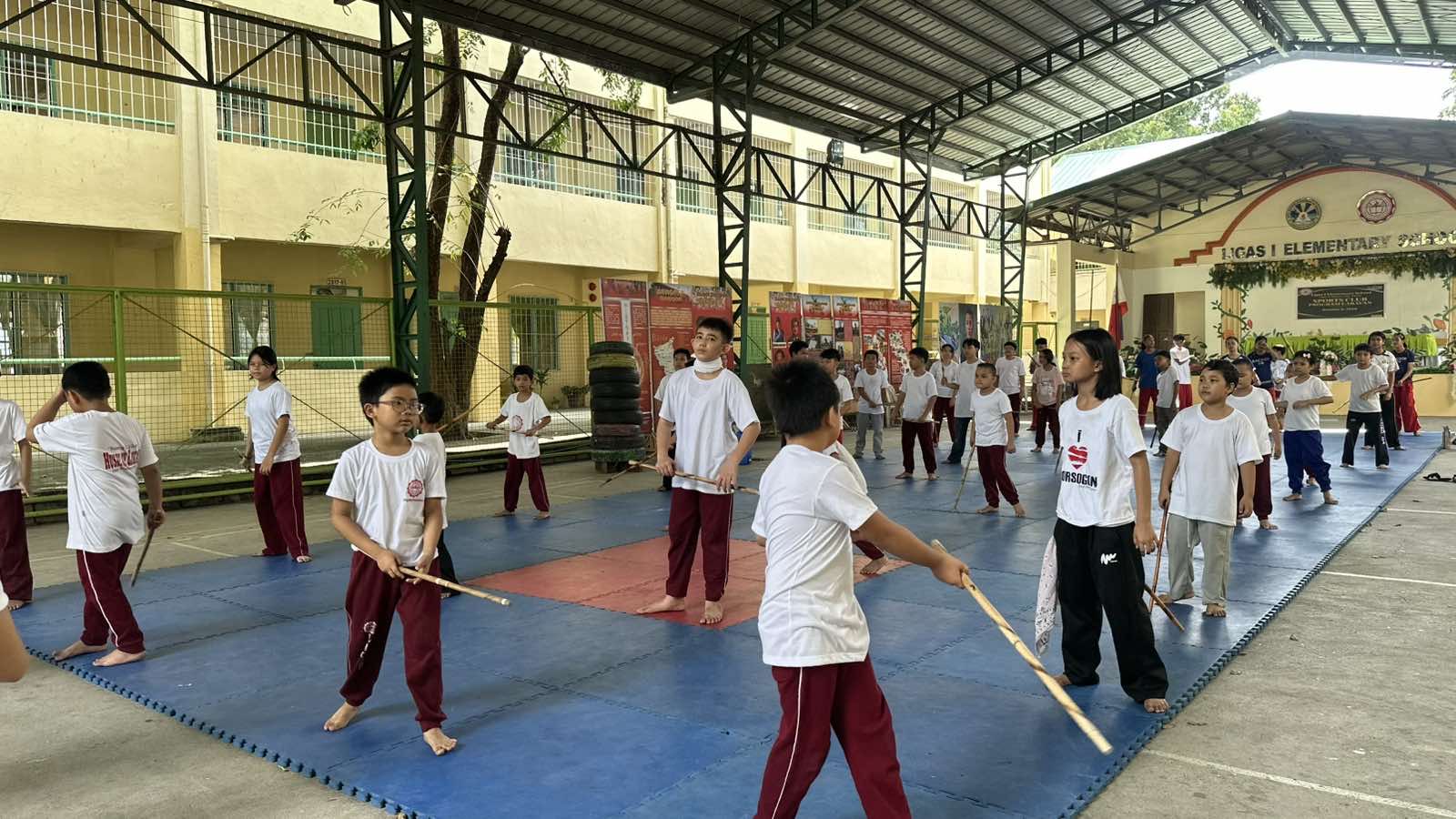
Designed as an extension of classroom learning, SSCs provide two to three hours of structured weekly physical activity facilitated by trained school coordinators.
Designed as an extension of classroom learning, SSCs provide two to three hours of structured weekly physical activity facilitated by trained school coordinators.
The program aligns with the Philippine Sports Commission’s (PSC) Grassroots-to-Gold framework, connecting school-based physical programs to elite athletic pathways while offering incentives and support through events like the Palarong Pambansa. To support training at Ligas I Elementary School, the PSC provided new equipment and sports supplies.
DepEd officials also inspected the newly refurbished school medical clinic upgraded through a partnership with 1Life, Inc. which features diagnostic equipment, digital health systems, and primary care services.
Angara earlier sealed a landmark Joint Memorandum Circular (JMC) establishing the YAKAP School Health and Protection Program (YAKAP-SHP) alongside the Department of Health (DOH), Department of Interior and Local Government (DILG) and the Philippine Health Insurance Corporation (PhilHealth). The program institutionalizes schools as access points for YAKAP registration, health screening, and care navigation.
“A healthy mind starts with a healthy, active body. By strengthening sports clubs alongside school health services, we create a safe, holistic environment where learners can channel their energy positively and achieve their full potential,” Angara added.