Access to safe drinking water and clean sanitation facilities is just as critical to a child’s nutrition and classroom performance as serving nutritious meals, the Department of Education (DepEd) emphasized during a global education and nutrition summit in Lusaka, Zambia.
At the Global Child Nutrition Forum 2026 held from November 2 to 5, DepEd represented by Assistant Secretary for Governance and Operations Roger Masapol shared the Philippines’ experience in institutionalizing its Water, Sanitation and Hygiene in Schools (WinS) Program.
DepEd showcased how sustained policy commitment, institutionalization, clear standards and systematic monitoring have transformed school health environments across the country.
Education Secretary Sonny Angara underscored that healthy school environments are foundational to addressing learning gaps, noting that children struggle to process lessons or digest essential nutrients if they are frequently falling ill from preventable waterborne diseases.
While Philippine schools scored particularly well in providing safe drinking water and access to sanitary pads, DepEd continues to ramp up efforts in building gender-segregated toilets, installing group handwashing stations, and embedding daily group handwashing into the school routine.
“You cannot separate a child’s physical health from their ability to learn. Feeding programs work best when paired with clean water to drink, safe toilets to use, and daily handwashing habits that keep kids healthy and in school,” Secretary Angara said in a statement.
“What we shared in Zambia is a decade of hard-earned progress, proving that when we invest in basic hygiene and sanitation, we are directly investing in our learners’ nutrition and future.”
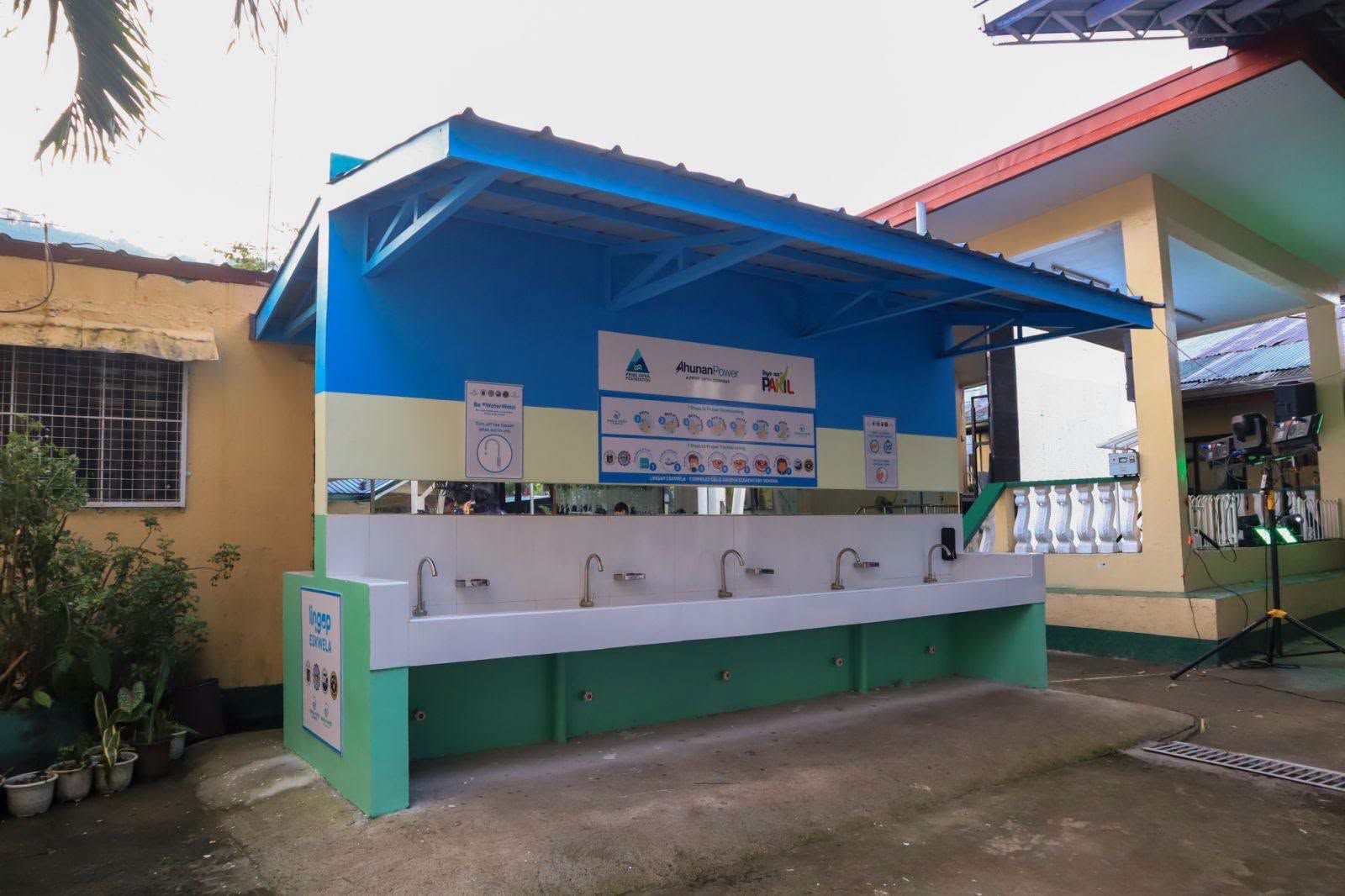
Designed to promote healthy learning environments and improve learner attendance, WinS ensures that schools maintain safe drinking water, clean and functional toilets, proper hygiene practices, regular deworming, and health education.
Launched in 2016, the WinS Program uses a practical Three-Star Approach to assess and guide public schools in meeting essential water, sanitation, and hygiene standards.
Under this system, schools are assessed across key benchmarks, including safe water, clean toilets, daily group handwashing and toothbrushing, menstrual hygiene management, deworming, and health promotion, and awarded one to three stars based on their progress.
A one-star rating means basic sanitation and hygiene practices are in place, two stars signify improved facilities and active management systems, and the highest three-star distinction recognizes schools that have sustained full compliance across all health and hygiene standards.
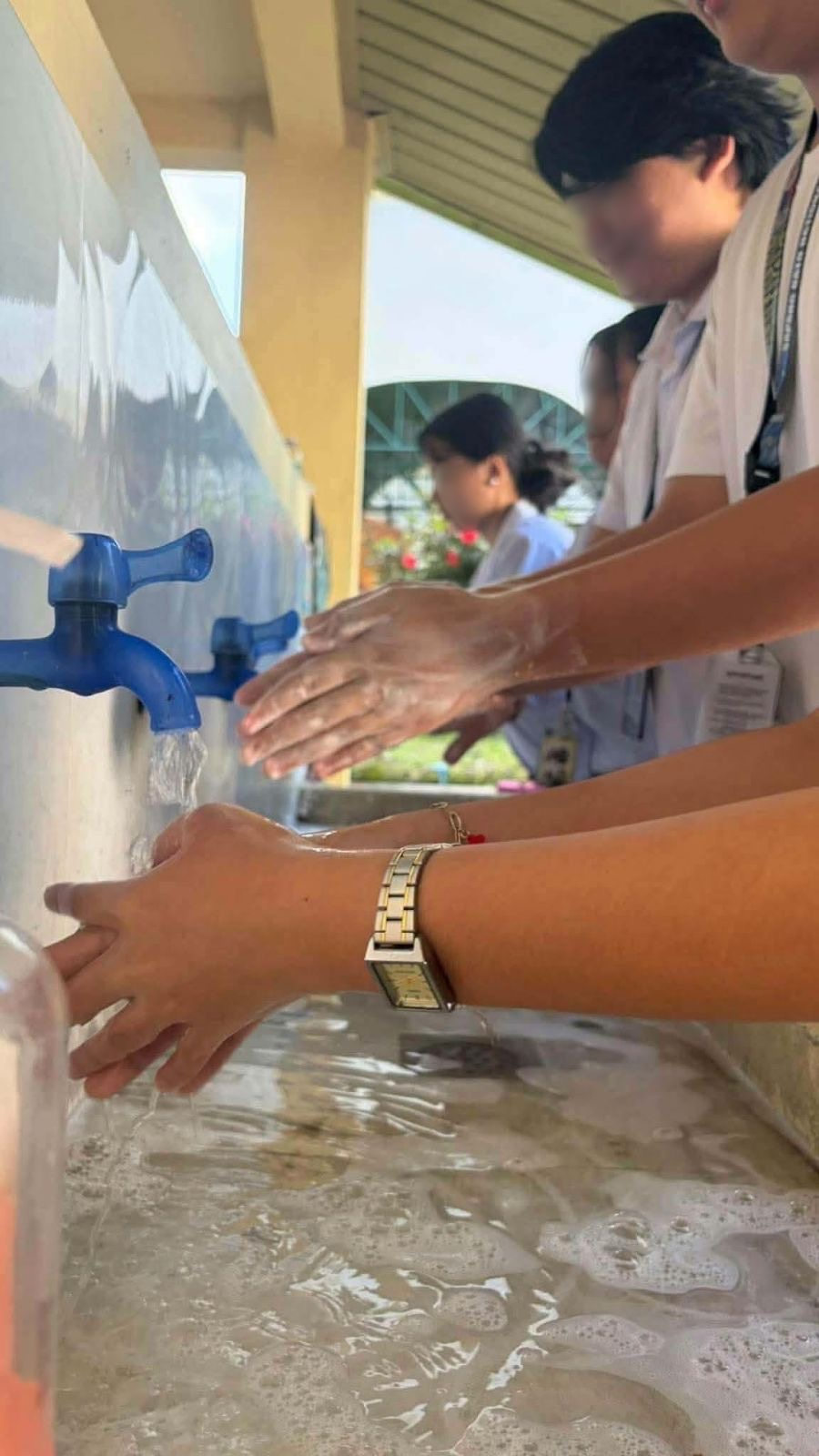
Over the past 10 years, the share of Philippine schools achieving at least a one-star rating surged from a baseline of just 9 percent to 62 percent in School Year 2025–2026, with 14 schools attaining the highest three-star distinction.
While Philippine schools scored particularly well in providing safe drinking water and access to sanitary pads, DepEd continues to ramp up efforts in building gender-segregated toilets, installing group handwashing stations, and embedding daily group handwashing into the school routine.
Launched in 2016, the WinS Program uses a practical Three-Star Approach to assess and guide public schools in meeting essential water, sanitation, and hygiene standards.
Within DepEd’s broader health strategy, WinS is a major component of DepEd’s School-Based Feeding Program (SBFP), alongside the Gulayan sa Paaralan (School Gardens) Program. Anchored in Republic Act No. 11037, or the Masustansyang Pagkain para sa Batang Pilipino Act, this integrated approach ensures that hot meals sourced from school and community gardens are backed by clean water and proper sanitation so children get the full nutritional benefit of their food.
The Philippine presentation drew strong interest from international counterparts eager to learn how DepEd sustained and expanded the program amid competing priorities and resource constraints. Delegates from Burundi, Ethiopia, Lesotho, and host nation Zambia expressed keen interest in further understanding the country’s approaches and implementation strategies.
“Our work is far from over, and we still have many schools to reach. But seeing other nations look closely at the Philippine experience affirms that our push for safer, cleaner, and healthier schools is on the right track,” Angara said.
DepEd’s decade-long rollout of the WinS Program has been supported by longtime development partners, including GIZ (German Agency for International Cooperation), UNICEF, and Save the Children.