
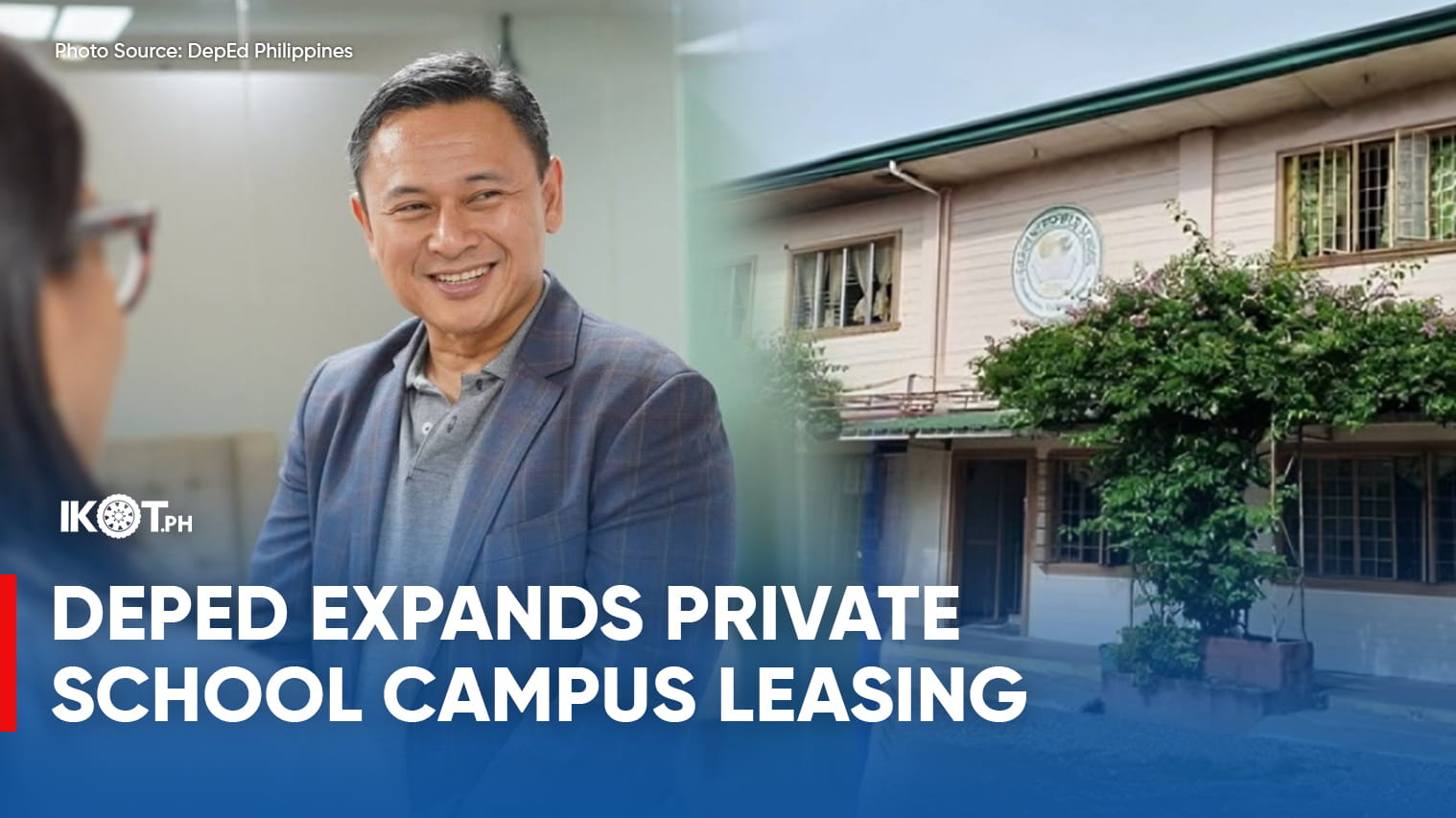
The Department of Education (DepEd) is turning to innovative property leasing agreements to address classroom shortages, citing recent successful implementations in Baliwag City, Bulacan, and Marikina City as models for accelerating learning space expansion for public school learners.
Faced with urban classroom congestion, DepEd has expanded its infrastructure strategy to include the leasing of available, compliant private school facilities and properties, a move to bypass multi-year construction delays and provide immediate relief to overcrowded campuses.
Education Secretary Sonny Angara emphasized that leasing serves as an agile, high-impact solution alongside traditional building projects to meet urgent classroom needs on the ground.
The initiative is part of DepEd’s broader multi-pronged infrastructure strategy, which works alongside Department of Public Works and Highways (DPWH)-led construction, local government unit (LGU) partnerships, Public-Private Partnerships, DepEd Learning Continuity Spaces (LCS), and collaborations with government and private organizations.
DepEd regional and division offices are currently evaluating additional campus leases, ensuring that safety, accessibility, and proximity standards are strictly met for every relocated learner community.
“We cannot rely solely on traditional construction timelines when our children need classrooms today. Leasing is one of DepEd’s vital channels to accelerate classroom delivery alongside our partnerships with the DPWH, LGUs, government partners, and the private sector,” Secretary Angara said.
“By partnering with private institutions that have ready-to-use facilities, we cut down waiting times significantly, decongest our public campuses, and ensure our learners are sitting comfortably in classrooms rather than makeshift spaces.”
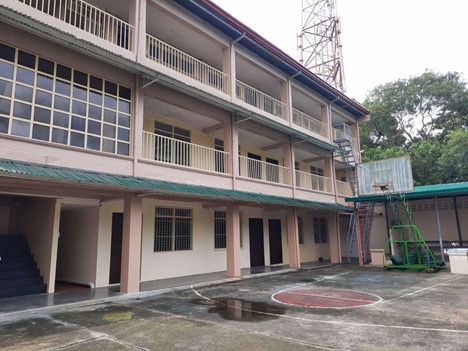
The leasing program targets highly congested public campuses across key cities and regions.
Angara added that the strategy reflects the whole-of-nation approach of President Ferdinand R. Marcos Jr.’s administration to education reform, where maximizing available resources translates to faster, more responsive public service.
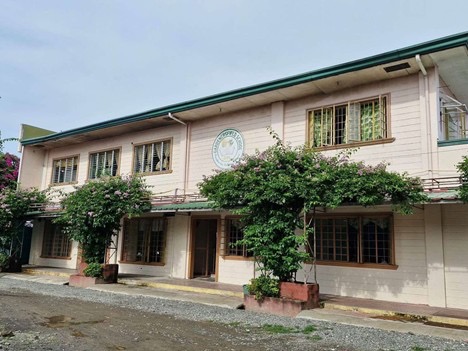
Two recent projects illustrate the model’s immediate impact. In Baliwag City, Pinagbarilan Integrated School expanded its capacity by leasing facilities at Gardenersfield School Incorporated. Starting June 8, 2026, around 189 learners transferred into 9 leased classrooms located less than 10 meters from the main campus, ensuring uninterrupted, spacious learning.
In Marikina City, Kapitan Moy Elementary School opened an extension campus on October 1, 2026, leasing seven classrooms at Covenant Children Academy. The facility, situated 500 meters from the parent school, now serves 632 Grade 5 and 6 learners, significantly easing the shift load and overcrowding on the main campus.
DepEd regional and division offices are currently evaluating additional campus leases, ensuring that safety, accessibility, and proximity standards are strictly met for every relocated learner community.