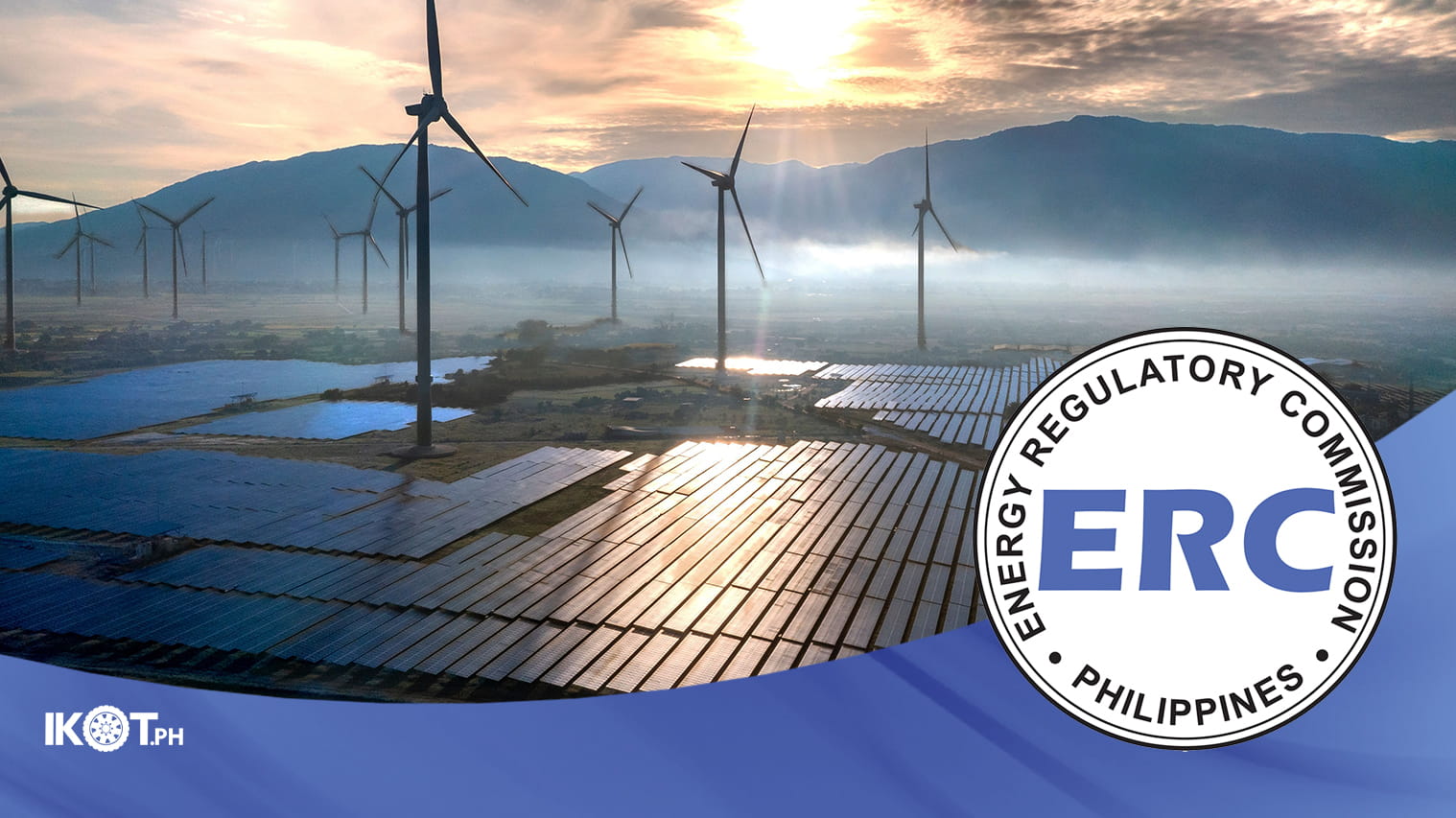
Amid rapid changes in the energy sector, the Energy Regulatory Commission (ERC) is advancing the Philippine Grid Code (PGC) 2026 Edition as a forward-looking reform to upgrade grid standards, strengthen system reliability, and enable the integration of renewable energy.
The PGC 2026 Edition seeks to modernize the country’s transmission system through updated technical standards, stronger reliability mechanisms, and provisions for emerging technologies, ensuring a more resilient and future-ready grid amid the growing share of renewable energy.
ERC Chairperson and CEO Atty. Francis Saturnino Juan emphasized that the reform is essential to preparing the country’s power system for long-term transformation.
“This is not just a technical update, it is a strategic reform that prepares our power system for the future.”
“This is not just a technical update, it is a strategic reform that prepares our power system for the future,” Juan stressed.
“The Philippine Grid Code 2026 Edition is designed to ensure that as we bring in more renewable energy and advanced technologies, our grid remains stable, reliable, and secure,” he added.
The proposed Code introduces major updates that will enable the grid to accommodate variable renewable energy (VRE) and a wide range of emerging energy technologies. These include energy storage systems such as battery energy storage systems (BESS), pumped-storage hydropower, compressed air energy storage, and flywheel energy storage, as well as wind power plants (onshore and offshore), solar photovoltaic (PV) plants, including ground-mounted and floating systems, and nuclear power facilities.
In addition, the proposed Code also incorporates new technical requirements for solar PV plants integrated with BESS using grid-forming (GFM) inverters, as well as standards applicable to other BESS installations utilizing GFM inverter technologies, supporting improved grid stability and system response.
Among the key reforms are enhanced cybersecurity requirements, updated grid planning standards, expanded reserve and reliability mechanisms, and new technical requirements for integrating renewable energy and energy storage systems. The Code also introduces innovations such as Fast Frequency Reserve (FFR), grid-forming inverter standards, and advanced provisions for energy storage integration.
Juan underscored that these reforms are necessary as the energy sector undergoes rapid transformation.
“We are seeing a fundamental shift in how electricity is generated and delivered. Our regulatory framework must evolve accordingly,” he said. “Through the PGC 2026 Edition, we are building a grid that is not only resilient but also capable of supporting cleaner and more sustainable energy sources.”
Moreover, the draft Code reflects the outcome of extensive nationwide consultations conducted in January 2026 across Luzon, Visayas, and Mindanao, with contributions from electric power industry stakeholders. These inputs were consolidated in coordination with the Institute of Integrated Electrical Engineers of the Philippines (IIEE) and the Interim Grid Management Committee (iGMC) under the Energy Transition Project with the Energy Transition Partnership–United Nations Office for Project Services (ETP-UNOPS).
The ERC emphasized that stakeholder participation remains central to the process, underscoring its commitment to transparency and inclusive rule-making.
“These reforms are shaped through dialogue.”
“These reforms are shaped through dialogue,” Juan added. “We are engaging generation companies, transmission operators, distribution utilities, and industry experts to ensure that the Grid Code reflects both technical rigor and practical realities on the ground.”
Meanwhile, the Commission will conduct public consultations on July 13, 15 and 17, 2026. These consultations will provide stakeholders with a platform to raise concerns, offer recommendations, and contribute to the finalization of the updated Grid Code.
With the PGC 2026 Edition, the ERC aims to ensure that the Philippine grid remains responsive to technological advancements, aligned with international best practices, and capable of delivering reliable and secure electricity to Filipino consumers.