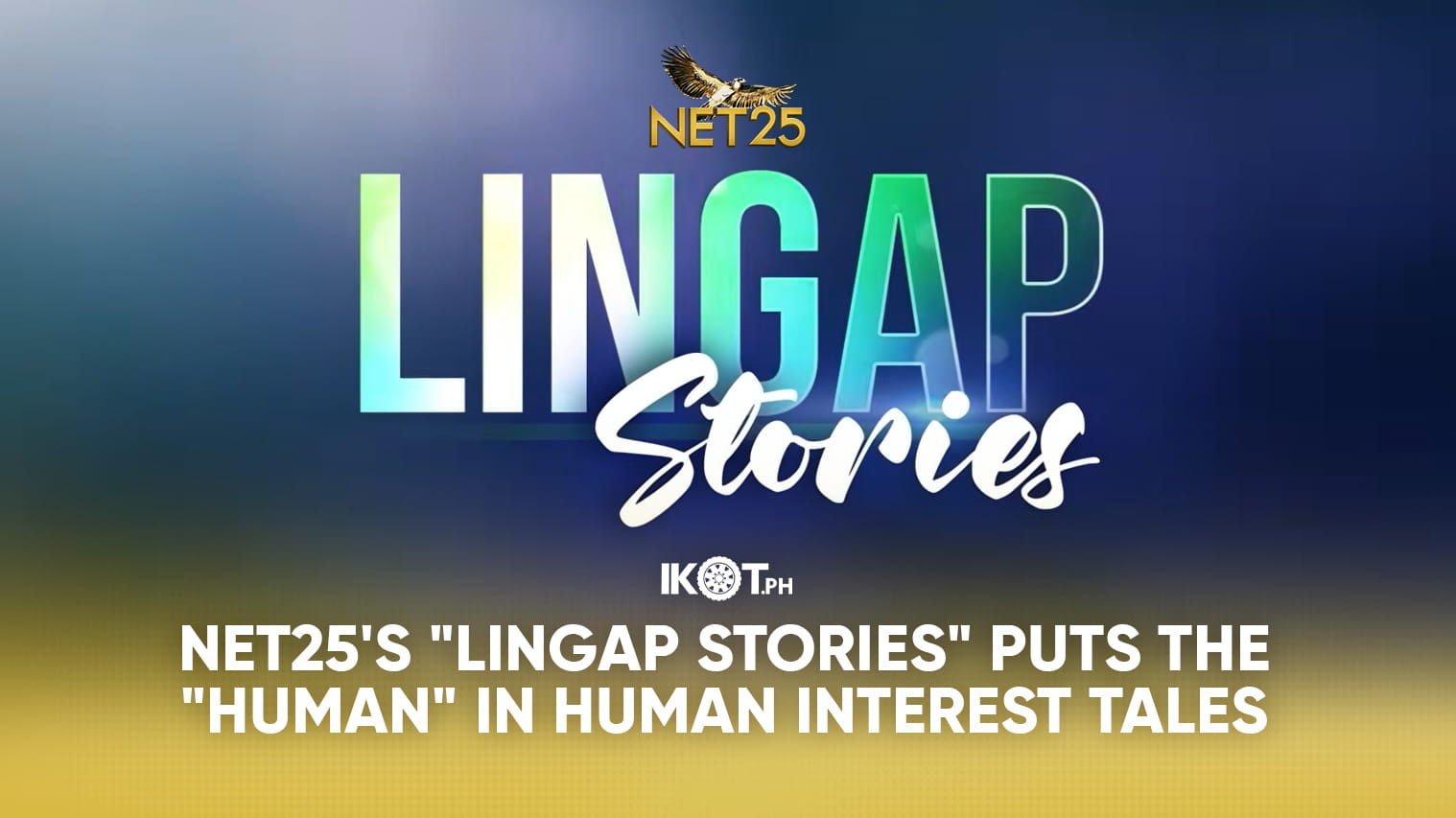
“Lingap Stories” is media powerhouse NET25’s compilation of touching human interest accounts of ordinary Filipinos trying to eke out a living despite challenging circumstances. The show lays out people’s challenges, daily realities and chances for hope and redemption.
At the end of each episode, host Weng dela Fuente provides crucial intervention through donations and livelihood assistance.
The stories are varied yet carry a common thread of hope and positivity.
In one episode, a bangkero in Pagsanjan, Laguna narrates the physical demands of transporting tourists on wooden boats and navigating through rock-strewn rapids to reach the town’s majestic waterfall.
A bangkero’s livelihood depends entirely on visitor numbers. In low tourist season, there is less income for the close to 1,800 boatmen who wait for their turn to be called, based on an established rotation system. Their families make ends meet through side jobs such as kakanin-making, with the housewives and the women using recipes handed down from generation to generation.
Another story involves a mother with an autistic son whose livelihood is sewing, using a sewing machine inherited from her mother. A fire gutted their home and numerous other houses in their informal settler community in Parola, Tondo. She wasn’t able to save anything from the blaze.
The matriarch exudes a quiet dignity, a defiant resilience, despite her family’s condition. Lingap came to her family’s aid by giving free school uniforms and items sufficient to create a small sari-sari store.
Lingap likewise conducted a medical mission in the affected community.
A third story is about a domestic helper in Hong Kong who joined the 200,000-strong Filipino workforce in the territory. She had to leave her young child and husband in the Philippines just to earn a decent living.
Her multiple roles include being a nanny, home cook and overall helper. She ministers to the needs of another family’s child while leaving her own back home.
Lingap again stepped in by distributing “care packages” to domestic helpers in Hong Kong. These packages included toiletries and personal hygiene items as well as canned goods and other daily essentials. It was the program’s own small way of recognizing the sacrifices being made daily by kababayans working in a foreign land.
These and other Lingap stories are free to view on Digital Free TV Channel 28, Analog Free TV Channel 25 and through provincial cable providers. They’re also available on YouTube and the NET25.com online portal.
In all these narratives, Lingap celebrates and acknowledges the hard work of ordinary Filipinos here and abroad. “Lingap Stories” tugs at our hearts, but the show also manages to nourish the soul and fully nurture our own “bayanihan” spirit of helping others.