
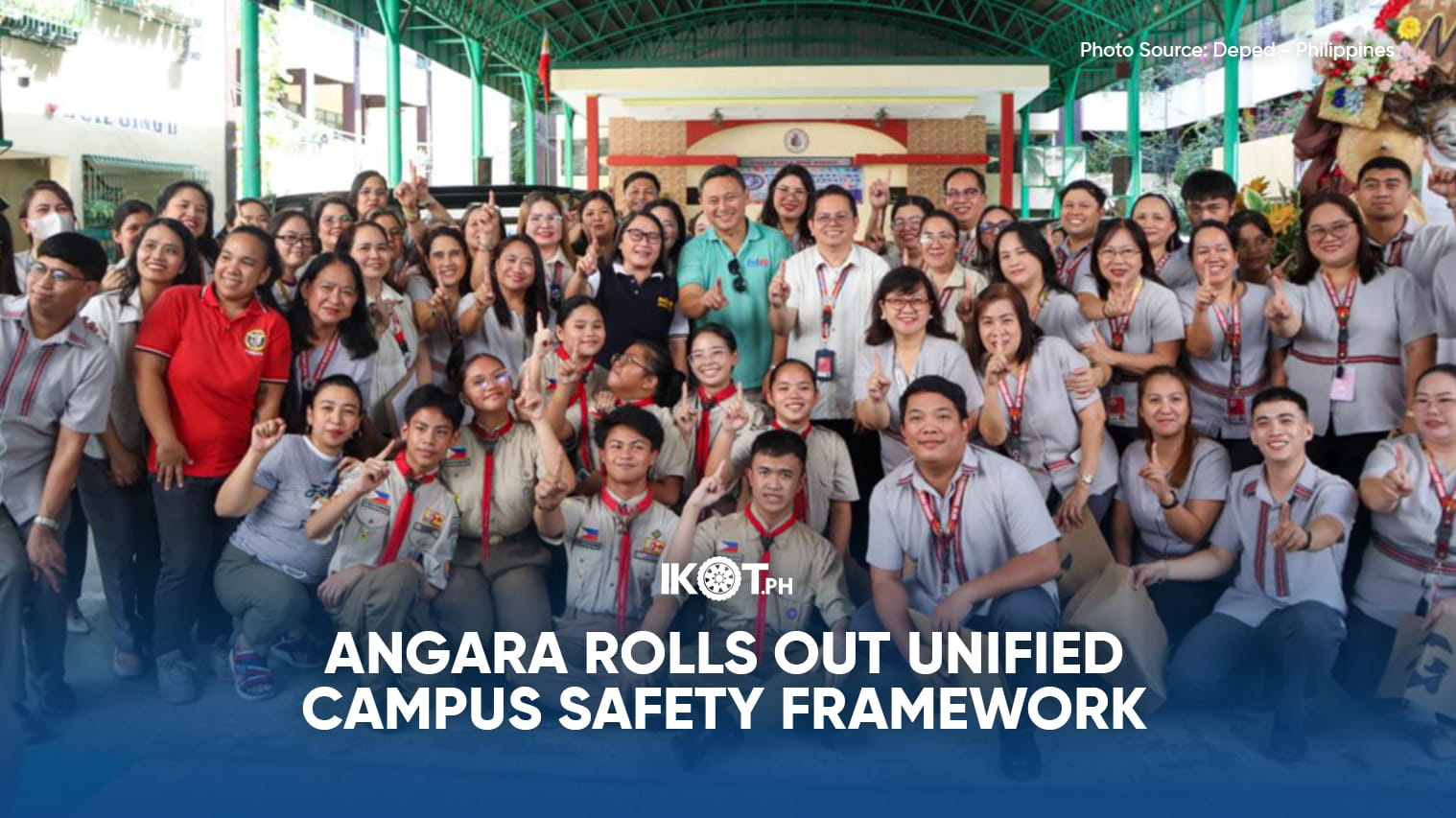
The Department of Education (DepEd) is stepping up its nationwide push to safeguard learners, teachers, and school personnel by rolling out a comprehensive campus safety initiative under the Safe School Environment Audit (SSEA).
The SSEA replaces fragmented safety programs with a unified checklist that measures a campus’ overall readiness. It consolidates disaster risk reduction, child protection, health services, psychosocial support, and physical security into one complete safety profile.
Education Secretary Sonny Angara emphasized that a secure environment is fundamental to learning, noting that academic success cannot take place when safety is at risk.
“We cannot talk meaningfully about quality education if our children, teachers, and personnel do not feel secure inside and outside their classrooms,” Angara said. “This audit isn’t just about ticking boxes; it’s a tool to see where our schools stand across all safety domains so we can pour targeted support exactly where it’s needed.”
Highlighting the collaborative nature of the initiative, Angara stressed that school safety requires an all-hands-on-deck effort.
The initiative coincides with Angara’s ongoing campus inspections. During a recent visit to Lakan Dula High School in Manila, he praised the campus as a model school for its comprehensive security network and close community collaboration.
To sustain these safety interventions nationwide, DepEd is requesting an additional PHP8.18 billion for essential campus security measures under its proposed 2027 budget.
Under the SSEA framework, schools use direct observation, interviews, and document reviews to evaluate their readiness across five key areas: safety management, supportive environment, safe facilities and school access, emergency preparedness and response, and post-disaster recovery. Once a school completes its self-assessment, higher education offices validate the results to map out targeted interventions.

This data-driven approach delivers concrete benefits across all levels of the education sector. For learners, it creates safer, resilient environments protected from hazards and emotional distress. Teachers and staff gain clear emergency protocols and mental health support.
School administrators use validated readiness reports to track progress over time. Meanwhile, local government units, parents, and community partners gain a clear blueprint to pool resources, align policies, and share the responsibility of campus safety.
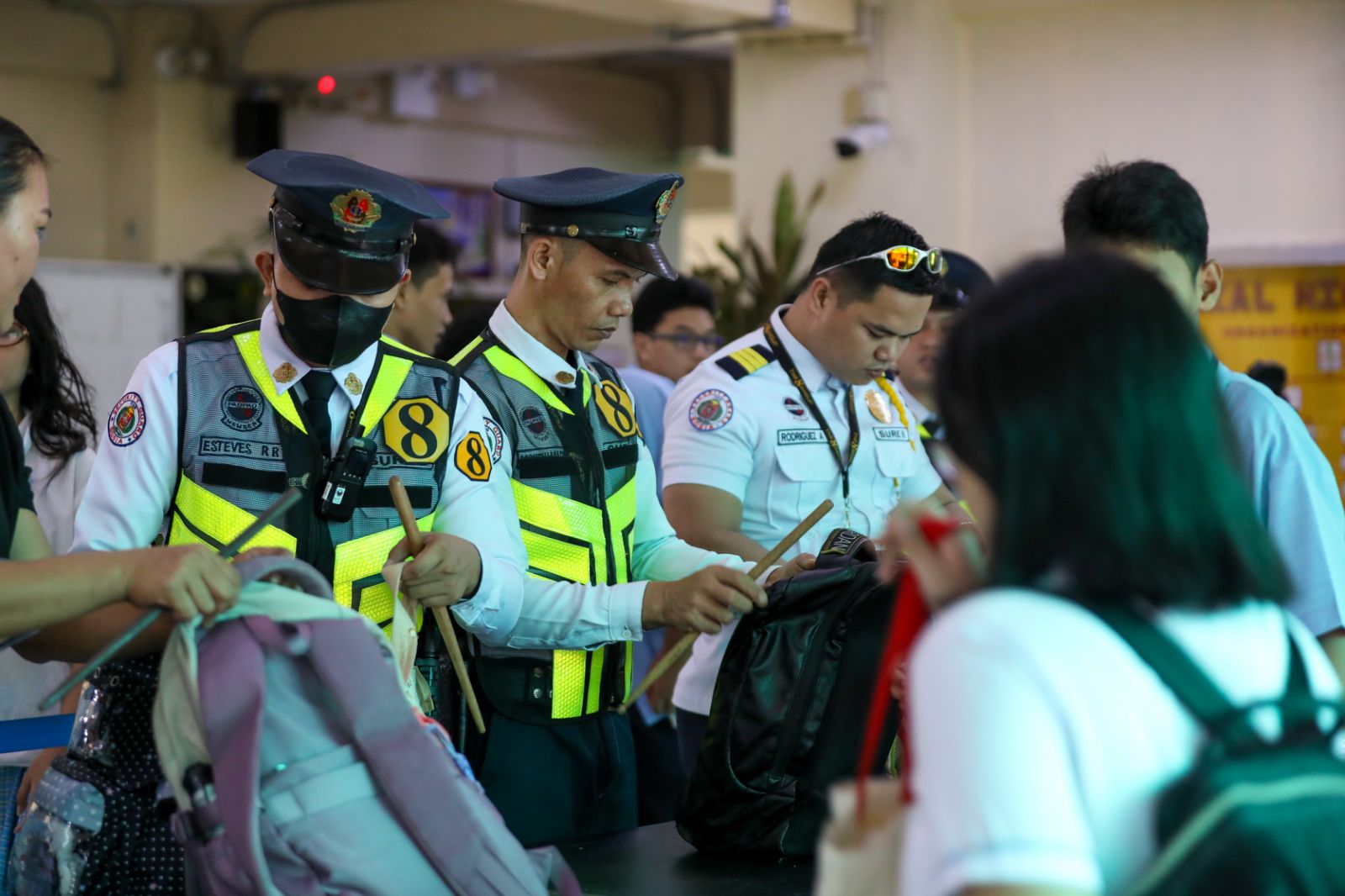
Highlighting the collaborative nature of the initiative, Angara stressed that school safety requires an all-hands-on-deck effort.
“Security and well-being are shared responsibilities. We are working hand-in-hand with our local chief executives, parent-teacher associations, and community partners to ensure that our schools remain genuine sanctuaries of hope,” Angara said.
Through a national dashboard and a direct support pathway ranging from school actions to broader policies, DepEd aims to ensure every learner thrives in a secure and nurturing environment.