
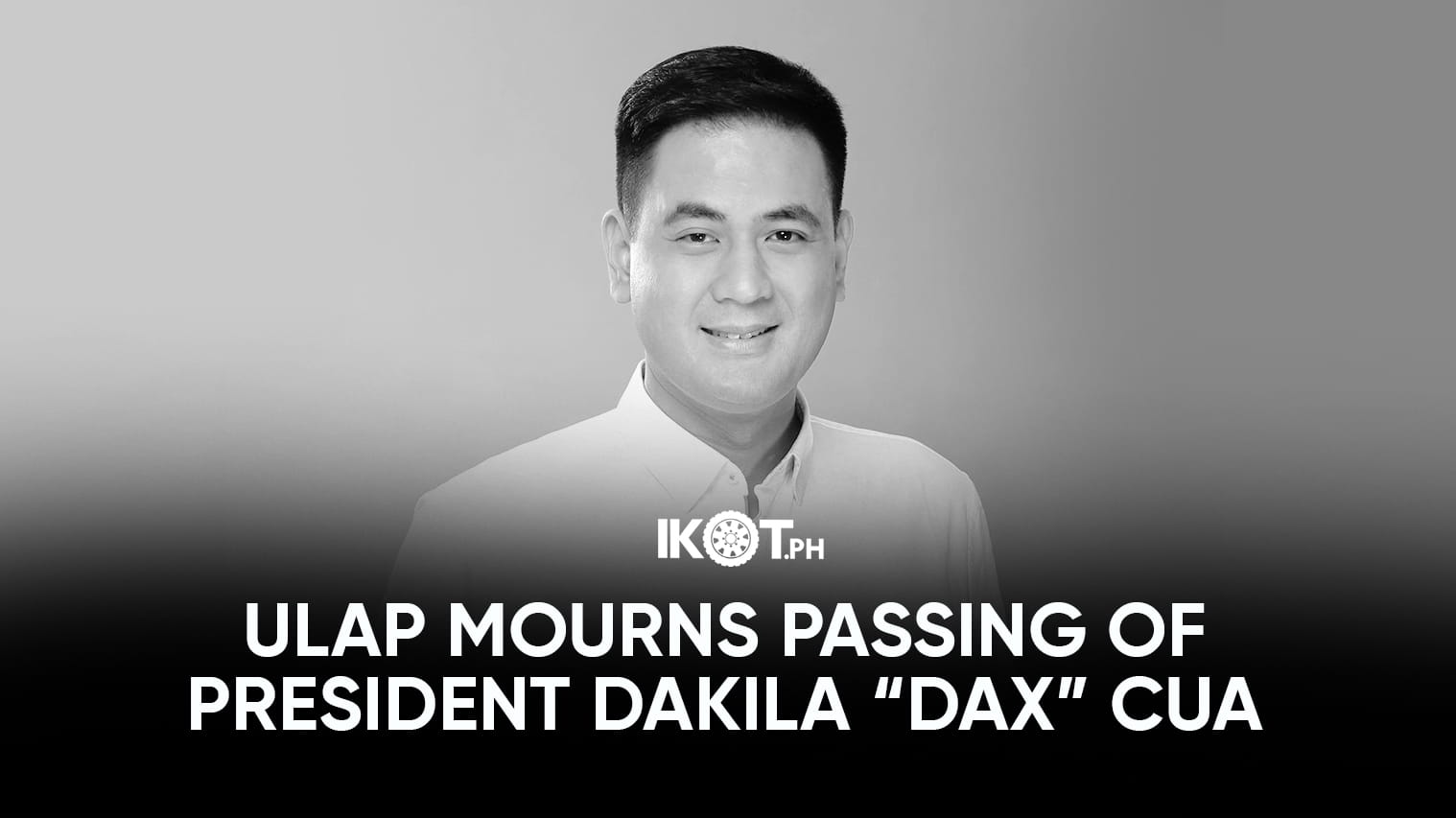
The Union of Local Authorities of the Philippines (ULAP), the umbrella organization of all local government leagues in the country, mourned Wednesday the death of its national president, Quirino Governor Dakila Carlo “Dax” Cua, remembering him as “a colleague who listened, a leader who built consensus.”
Cua died Tuesday evening, Sept. 15, 2026, according to close friends and employees. He was 48. The circumstances of his death have not been officially disclosed by his family or the provincial government, though separate reports have attributed his death to cancer.
In its statement, ULAP said Cua devoted “twenty-five years of his life to public service,” a career that spanned provincial leadership, national lawmaking, humanitarian work, and international advocacy for local governments. He entered politics in 2001 at age 23, when he was elected vice governor of Quirino, and went on to serve as governor from 2007 to 2010, representative of the province’s lone district from 2010 to 2019, and governor again from 2019 until his death.
ULAP described Cua’s legislative record as “equally consequential.” During his nine years as representative of Quirino’s lone district, he chaired the House Committee on Ways and Means and worked on major economic and institutional measures, including the law that established Quirino State University.
As ULAP’s national president and national chairman of the League of Provinces of the Philippines, Cua gave the local government sector “a clear and credible voice in national policy,” the organization said. It noted he consistently pushed for devolution that recognized “the differing capacities and fiscal realities of LGUs.”
ULAP further credited Cua with advancing “stronger national-local coordination” across sectors including public health, disaster resilience, agriculture, infrastructure, livelihood, and local economic development.
The group also pointed to Cua’s influence beyond Philippine borders. As the first Filipino president of United Cities and Local Governments Asia-Pacific, he brought “local autonomy, climate action, sustainable development, innovation, and youth participation” into regional discussions. His reelection to that post for the 2025–2027 term, ULAP said, “reflected the confidence placed in him” by local government leaders across the region.
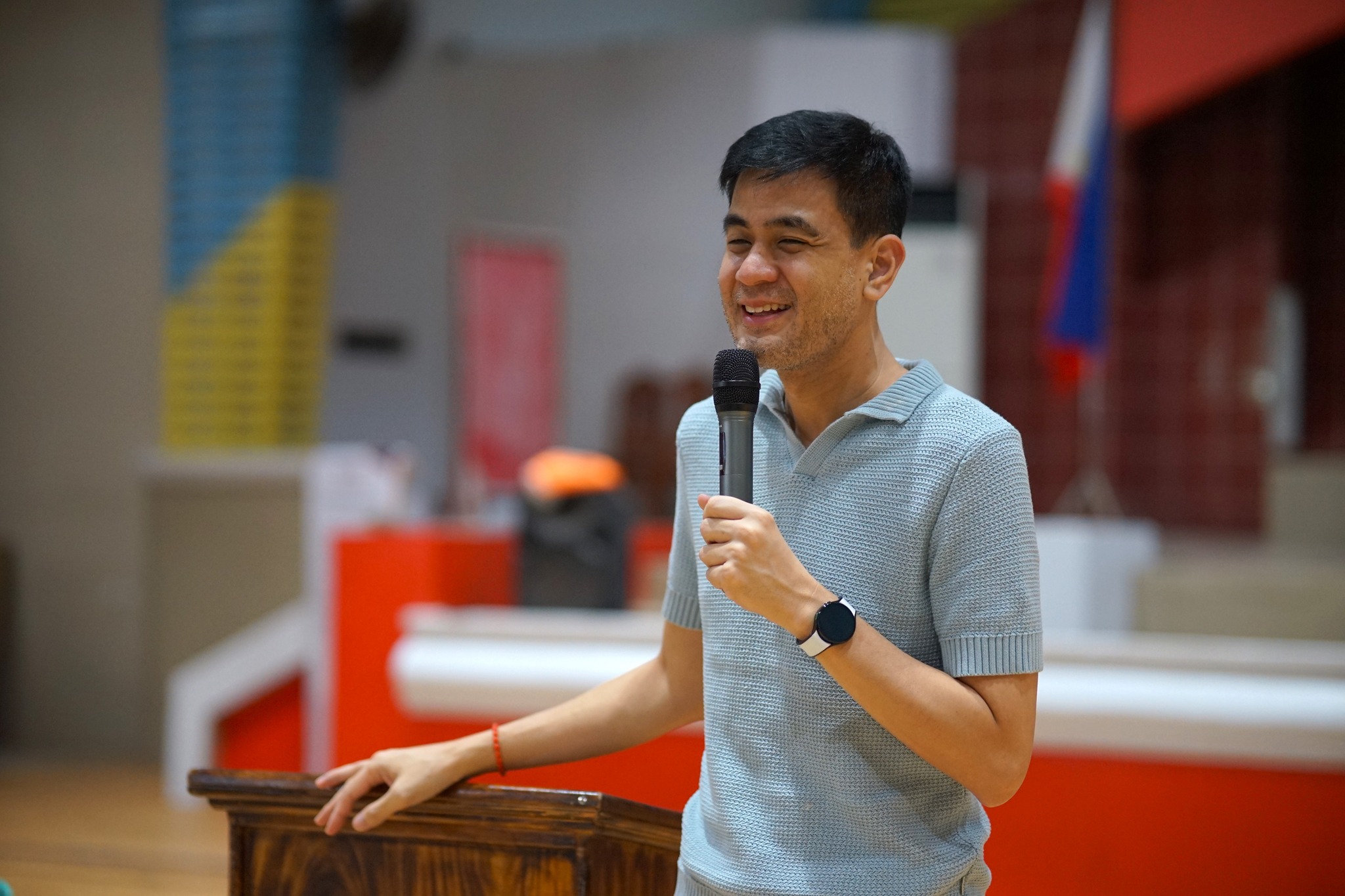
ULAP described Cua’s legislative record as “equally consequential.” During his nine years as representative of Quirino’s lone district, he chaired the House Committee on Ways and Means and worked on major economic and institutional measures, including the law that established Quirino State University.
ULAP also cited Cua’s service on the Philippine Red Cross Board of Governors, saying he understood that public office carried “a practical obligation” for government to reach people “where they live, especially in communities with the fewest resources.”
ULAP’s National Executive Board, its member leagues, and its Secretariat extended their sympathies to Cua’s family — including his wife, Quirino Lone District Rep. Midy Cua — and to the people of Quirino. ULAP pledges to carry forward Cua’s work on local autonomy and devolution, closing its tribute with the phrase Cua often invoked: “the Future is Local.”