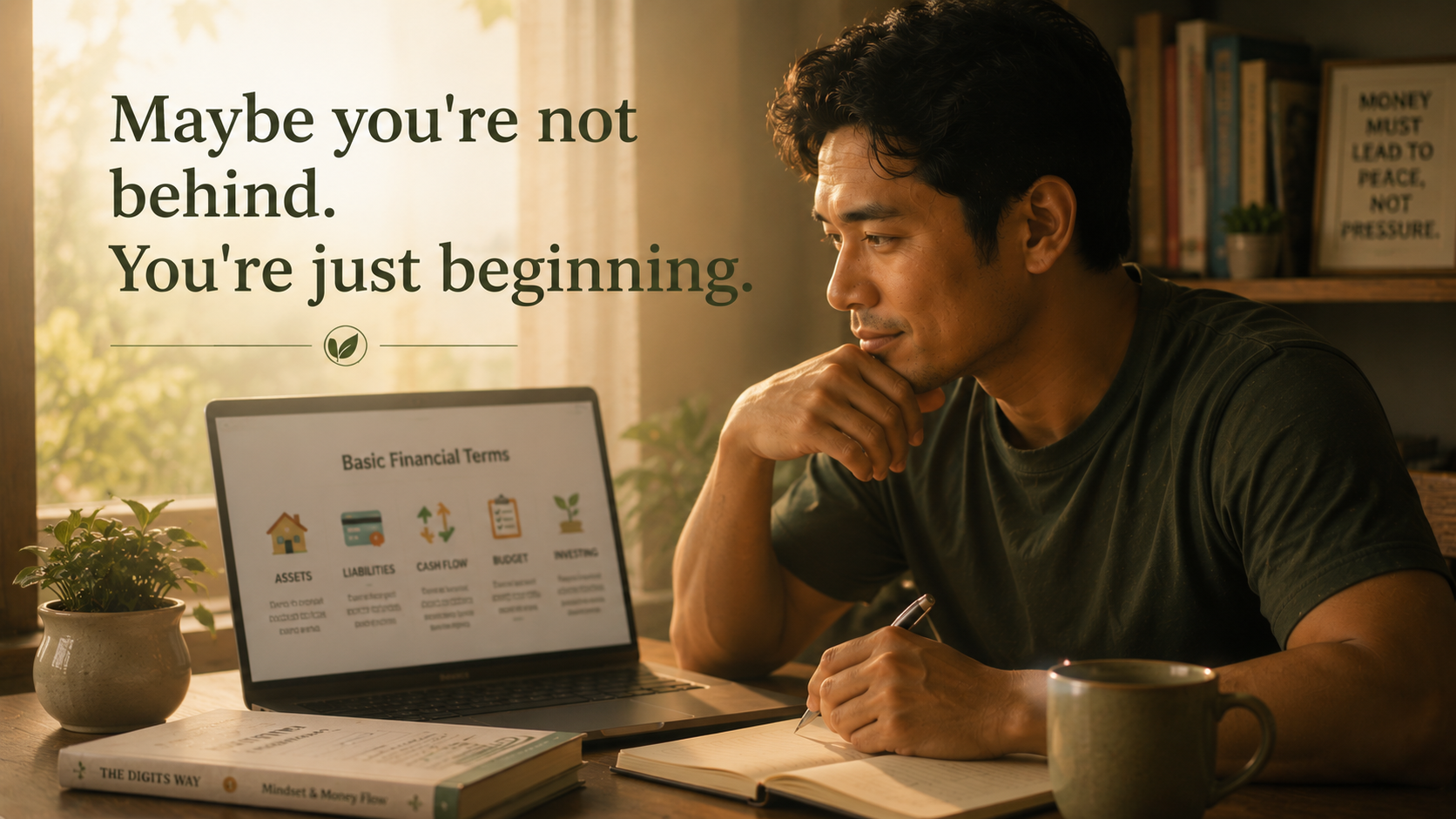
For many Filipinos, the word investing immediately creates distance.
It sounds technical.
Complicated.
Risky.
Parang pang ibang tao.
People hear words like stocks, mutual funds, REITs, dividends, crypto, portfolios—and quietly decide:
“Hindi yata para sa akin ’yan.”
And honestly, that reaction makes sense.
Why So Many People Feel Left Out of the Conversation
Most people were never actually taught how investing works.
School taught formulas, memorization, and exams.
But very few people were taught:
How money grows slowly over time.
How risk actually works.
How patience creates compounding.
How to prepare for the future without living in constant fear.
So many adults end up learning about investing emotionally before they ever learn about it practically.

The Stories People Hear First
Usually through stories.
Someone got scammed.
Someone lost savings.
Someone trusted the wrong person.
Someone invested too late.
Someone took a risk they did not fully understand and paid for it painfully.
And over time, these stories create emotional associations.
Investing starts feeling dangerous
before people even understand what it truly is.
Why Risk Feels Personal
This is especially true for Filipinos who grew up around financial instability.
When money has always been difficult to earn,
protecting it becomes emotional.
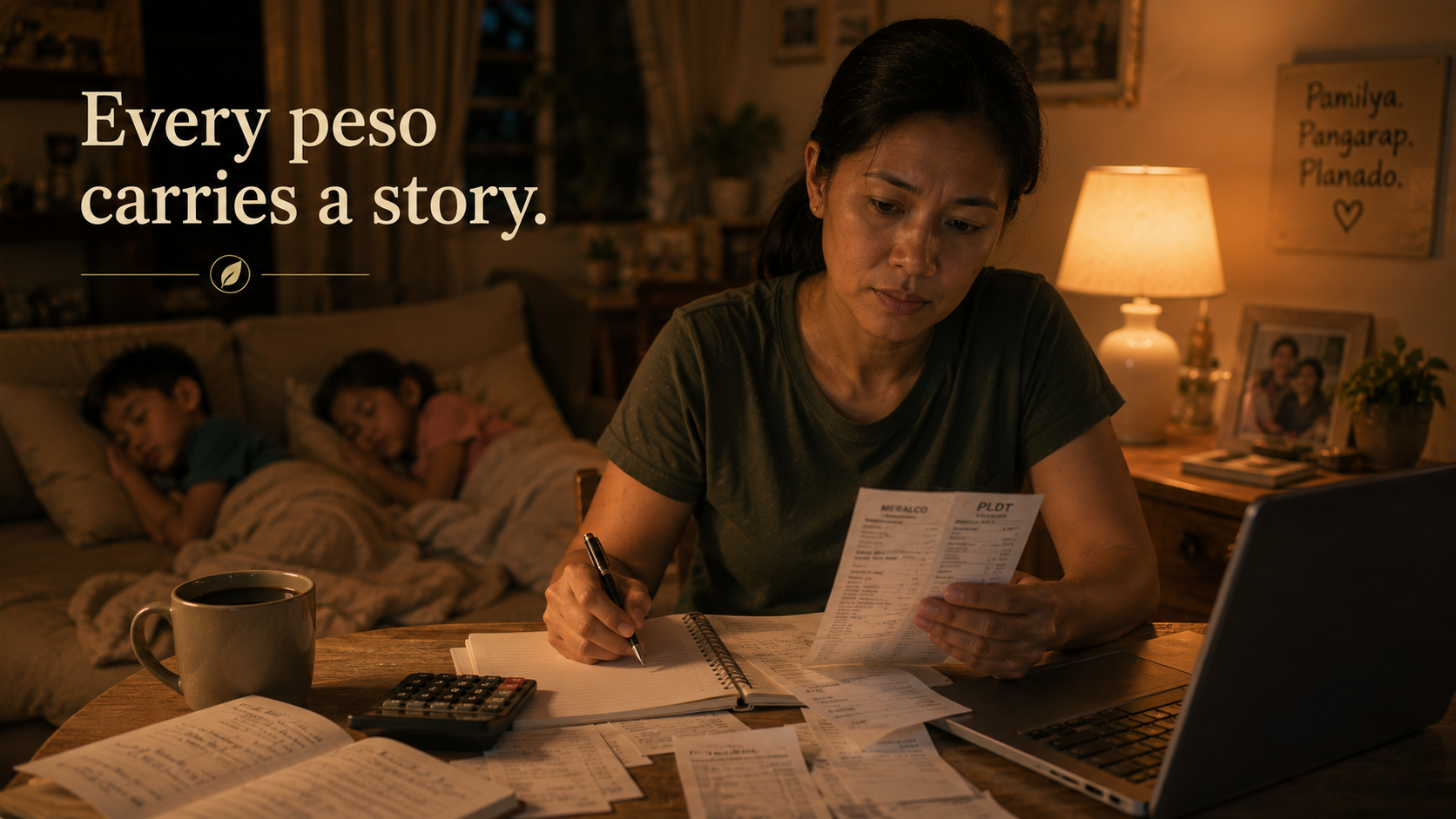
Every peso feels attached to sacrifice.
Long work hours.
Delayed needs.
Family responsibility.
Years of adjustment.
So the idea of placing hard-earned money somewhere uncertain
can feel almost irresponsible.
Why Breadwinners Hesitate More
Especially for breadwinners.
Especially for people supporting families.
Especially for those who spent years just trying to survive.
Because survival teaches caution.
You become careful not only with spending—
but with hope itself.
Why Investing Feels Emotionally Similar to Hope
And in many ways, investing emotionally resembles hope.
You place something valuable into the future
without fully controlling the outcome.
That uncertainty scares people.
Not because they are weak.
Not because they lack intelligence.
But because uncertainty feels heavier
when you understand what loss costs in real life.
The Myth of Feeling “Ready”
This is one reason many people delay investing for years.
They wait to feel ready.
Ready financially.
Ready emotionally.
Ready intellectually.
But the truth is:
Very few people feel fully ready at the beginning.
Most people begin unsure.
What Actually Changes Fear
The difference is that some people slowly allow themselves to learn while afraid.
And learning changes fear.
Not instantly.
Not magically.
But gradually.
Because many fears around investing
are actually fears around unfamiliarity.
When Unfamiliar Things Feel Threatening
The human mind naturally treats unfamiliar things as threats.
This is why someone can spend hours scrolling through online shops comfortably—
but feel overwhelmed after five minutes reading about investments.
One feels familiar.
The other feels uncertain.
But unfamiliarity is not proof
that something is impossible for you.
It is simply proof
that you are new to it.
And everyone is new at first.
The Emotional Walls People Build Early
This matters because many people silently disqualify themselves from financial growth before learning even begins.
“Hindi ako magaling sa numbers.”
“Hindi ako business-minded.”
“Wala naman akong malaking pera.”
“Baka magkamali lang ako.”
These thoughts become emotional walls.
And often, those walls appear long before actual investing does.
What Investing Usually Requires
But investing does not require perfection.
For most ordinary people, it usually requires something much quieter:
Consistency.
Patience.
Willingness to start small.
The Internet Distorts What Investing Looks Like
Unfortunately, the internet often presents investing in extreme ways.
Big wins.
Big losses.
Fast money.
Aggressive strategies.
People confidently talking about millions.
And while these stories attract attention,
they also distort expectations.
Because real investing for most ordinary people
is usually less dramatic.
What Real Investing Often Looks Like
It is repetitive.
Slow.
Sometimes even boring.
A small amount saved monthly.
A long timeline.
Quiet consistency repeated over years.
Not flashy.
Not viral.
But life-changing over time.
Why Emotional Safety Matters When Learning

This is also why emotional safety matters so much when learning about investing.
People learn better
when they do not feel ashamed for being beginners.
But many financial spaces feel intimidating.
There is pressure to look informed.
Pressure to understand quickly.
Pressure not to ask “basic” questions.
And because of that, many people stop learning before they even begin.
How Real Financial Growth Usually Happens
But financial growth rarely happens through shame.
It happens through patient exposure.
One concept at a time.
One question at a time.
One small decision at a time.
And slowly, what once felt overwhelming
starts becoming understandable.
A Different Way to Think About Investing
Perhaps this is the healthier way to approach investing:
Not as a test of intelligence.
Not as proof of status.
Not as a race to become rich quickly.
But as a quiet act of future care.
A way of telling your future self:
“Sinusubukan kong pagaanin ang buhay mo balang araw.”
When Investing Stops Feeling Like Performance
That shift changes the emotional experience completely.
Because now, investing is no longer about looking impressive.
It becomes about becoming prepared.
Prepared for emergencies.
Prepared for aging.
Prepared for future responsibilities.
Prepared for seasons when energy alone may no longer be enough.
What Most People Are Actually Looking For
And perhaps this is what many people truly want
when they begin thinking about investing.
Not luxury.
Just breathing room.
A little more protection.
A little more stability.
A little more peace about tomorrow.
Why Starting Small Is Still Starting
This is why people should not feel ashamed for starting slowly.
Some begin with thousands.
Others begin with hundreds.
What matters more is not the size of the beginning—
but the relationship you slowly build with fear.
What Learning Slowly Changes
Because over time, learning changes emotional weight.
The concepts that once felt intimidating
become manageable.
The decisions that once felt terrifying
become understandable.
The future that once felt impossible
begins feeling reachable.
Not because fear disappears completely—
but because confidence slowly grows beside it.
A Quiet Reframe
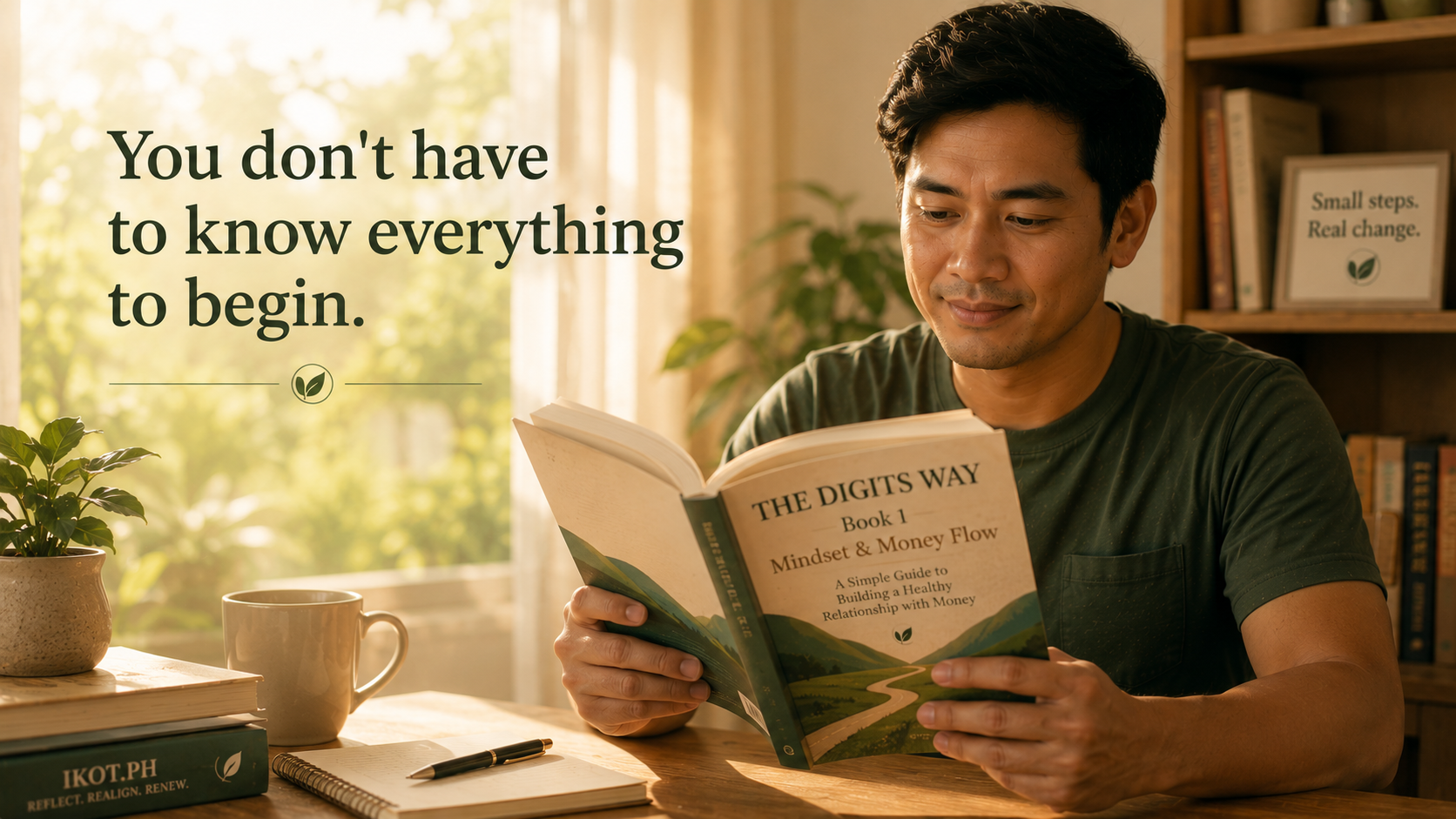
You do not become confident before you begin.
Often, confidence is simply what forms
after you finally allow yourself
to begin learning without shame.
Finally, Something Important
If investing still feels intimidating to you—
that does not mean you are “bad with money.”
It may simply mean
you were never given a safe enough space to learn it slowly.
And many people carry that feeling quietly.
Closing Reflection
But financial growth does not belong only to experts, risk-takers, or naturally confident people.
Sometimes, it begins with ordinary people
slowly learning that the future
does not have to feel frightening forever.
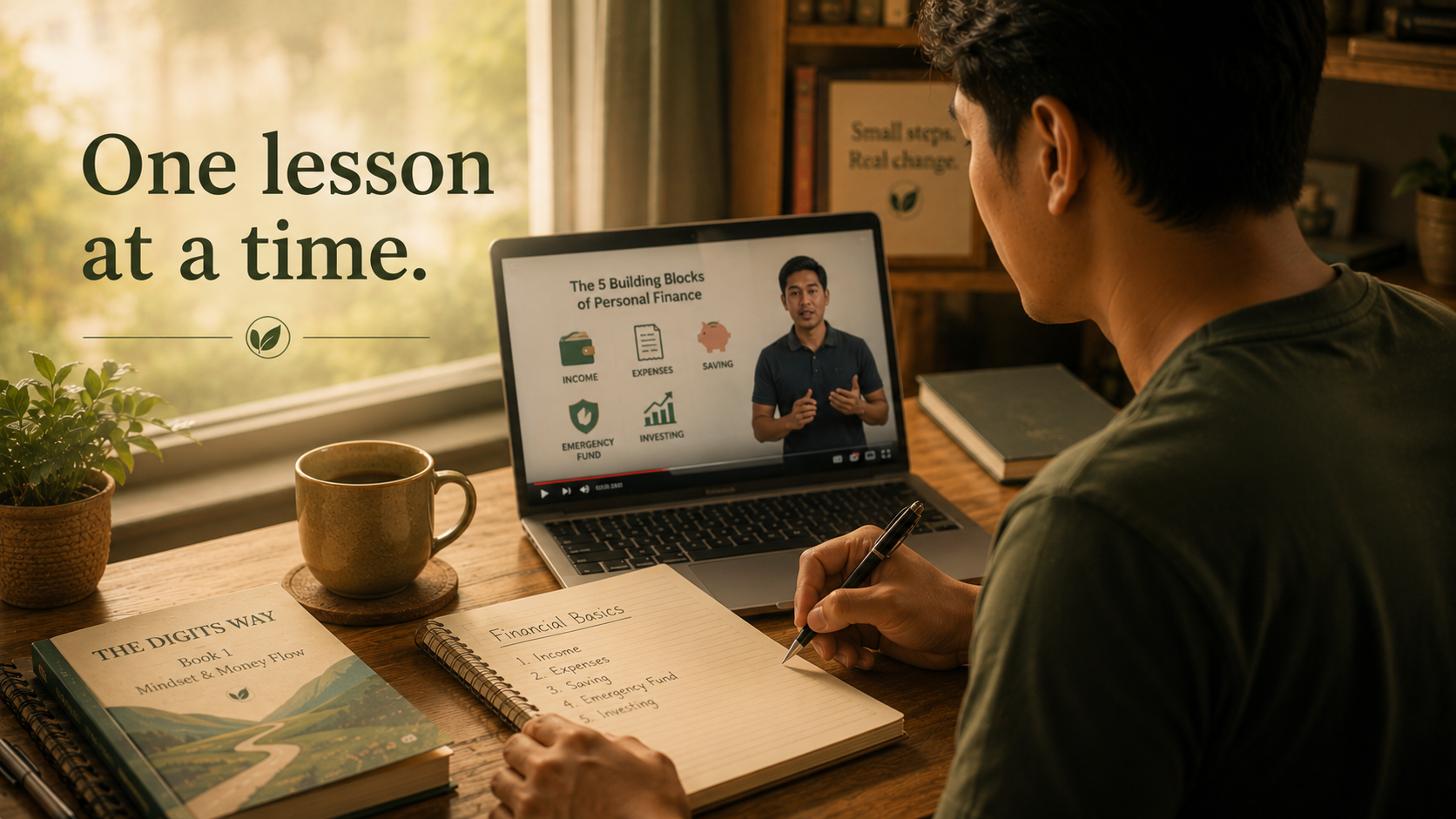
One lesson at a time.
One small decision at a time.
One quiet beginning at a time.
Because before investing becomes practical,
it first becomes emotional.
And often, the deeper work
is not only learning where to place money—
but learning how to face uncertainty
without immediately shrinking away from possibility.
Catch Thanjo’s personal finance column every Tuesday at 7 p.m. on IKOT.PH and across Facebook, X (Twitter), and Instagram.
DISCLAIMER:
The views and opinions of our partners and contributors expressed in this article are exclusively their own and are made in their personal capacities. They do not reflect the views, policies, or official stance of IKOT.PH, its editors, officers, or affiliates. As such, nothing contained herein shall be construed as professional advice or as an official declaration, endorsement, or position of IKOT.PH.